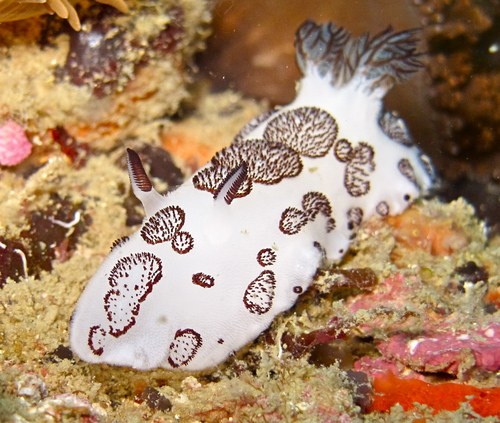
Sea Pen
Ptilosarcus undulatus
In Stock
Common stock
Wild Caught
Moderate care
SKU: CB-SC-0161
Discover the unique Sea Pen, a captivating marine invertebrate with stunning beauty.
Pricing for Verified Importers
Log in to see wholesale prices and order.
Export Size
up to 30.0 cm
Origin
Indo-Pacific
Temperature
20.0–25.0°C
Min. Tank Size
50 L
pH
7.80–8.50
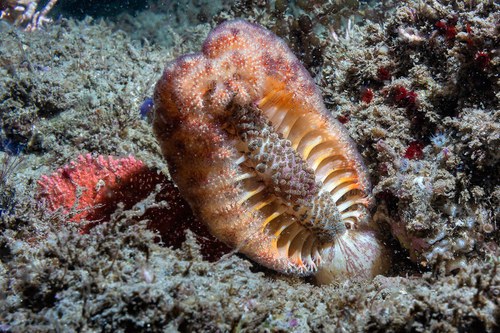
The Sea Pen (Ptilosarcus undulatus) is a fascinating marine invertebrate found primarily in the Indo-Pacific region. This species is notable for its feather-like appearance, resembling a delicate quill pen, which is actually a colony of polyps working together. Sea Pens inhabit soft substrates like sand and mud, where they anchor themselves and extend their fronds to capture plankton and small prey. Their unique structure provides both camouflage and a means of feeding, making them an intriguing addition to marine environments.
In terms of appearance, Sea Pens can vary in color from pale yellow to deep purple, often displaying vibrant hues that can change depending on environmental factors. Their body consists of a central stalk from which numerous polyps extend. These polyps are equipped with specialized feeding tentacles that capture food particles, showcasing a remarkable adaptation to their habitat. The Sea Pen's ability to retract its fronds quickly when threatened adds another layer of intrigue to this species.
Behaviorally, Sea Pens are generally sedentary, preferring to remain anchored in one location. They can exhibit a fascinating interaction with their environment, responding to water currents and available food sources. These invertebrates often coexist with various marine life, providing a unique habitat for small fish and invertebrates. Their role in the ecosystem is crucial, as they contribute to the overall biodiversity of marine habitats.
Sea Pens thrive in deeper waters, usually found at depths ranging from 20 to 200 meters. They prefer environments with low water movement, allowing them to feed effectively. The habitat of the Sea Pen is often characterized by the presence of other invertebrates, creating a rich community that supports diverse marine life. Their ecological significance extends beyond their beauty, as they play a vital role in nutrient cycling within their ecosystems.
In terms of appearance, Sea Pens can vary in color from pale yellow to deep purple, often displaying vibrant hues that can change depending on environmental factors. Their body consists of a central stalk from which numerous polyps extend. These polyps are equipped with specialized feeding tentacles that capture food particles, showcasing a remarkable adaptation to their habitat. The Sea Pen's ability to retract its fronds quickly when threatened adds another layer of intrigue to this species.
Behaviorally, Sea Pens are generally sedentary, preferring to remain anchored in one location. They can exhibit a fascinating interaction with their environment, responding to water currents and available food sources. These invertebrates often coexist with various marine life, providing a unique habitat for small fish and invertebrates. Their role in the ecosystem is crucial, as they contribute to the overall biodiversity of marine habitats.
Sea Pens thrive in deeper waters, usually found at depths ranging from 20 to 200 meters. They prefer environments with low water movement, allowing them to feed effectively. The habitat of the Sea Pen is often characterized by the presence of other invertebrates, creating a rich community that supports diverse marine life. Their ecological significance extends beyond their beauty, as they play a vital role in nutrient cycling within their ecosystems.
When importing Sea Pens, it's essential to replicate their natural habitat as closely as possible. The ideal water parameters for Sea Pens include a stable temperature range of 20-25°C, a pH level between 7.8 and 8.5, and low salinity, as they are typically found in marine environments. Although they are not freshwater species, maintaining a specific gravity of 1.020-1.025 is crucial for their health.
Feeding Sea Pens requires a diet rich in plankton and small organic particles. Importers should ensure that the animals have access to a continuous supply of suitable foods, such as finely crushed pellets or live microfauna. Compatibility with other species is essential; while Sea Pens can coexist with some fish and invertebrates, caution should be exercised to avoid aggressive tank mates that may harm their delicate structure.
Acclimation is vital when introducing Sea Pens into a new environment. Gradual acclimation over several hours, with water temperature and salinity adjustments, will help reduce stress. Quarantine procedures should be followed to ensure that any potential pathogens are eliminated before introducing the Sea Pens to display tanks. This practice can help maintain a healthy environment for these unique invertebrates.
Feeding Sea Pens requires a diet rich in plankton and small organic particles. Importers should ensure that the animals have access to a continuous supply of suitable foods, such as finely crushed pellets or live microfauna. Compatibility with other species is essential; while Sea Pens can coexist with some fish and invertebrates, caution should be exercised to avoid aggressive tank mates that may harm their delicate structure.
Acclimation is vital when introducing Sea Pens into a new environment. Gradual acclimation over several hours, with water temperature and salinity adjustments, will help reduce stress. Quarantine procedures should be followed to ensure that any potential pathogens are eliminated before introducing the Sea Pens to display tanks. This practice can help maintain a healthy environment for these unique invertebrates.
Sea Pens are moderately sensitive to temperature fluctuations during shipping. It is advisable to pack them in insulated containers with adequate water volume to minimize stress. A packing density of 1-2 Sea Pens per liter is recommended to ensure adequate space. Maintaining a temperature range of 20-22°C during transit is crucial for their survival. Currently, Sea Pens do not have a CITES status, making them easier to export.
Species Parameters
Max Adult Size
30.0 cm
Origin
Indo-Pacific
Temp Min
20.0 °C
Temp Max
25.0 °C
pH Min
7.80
pH Max
8.50
Min Tank
50 L