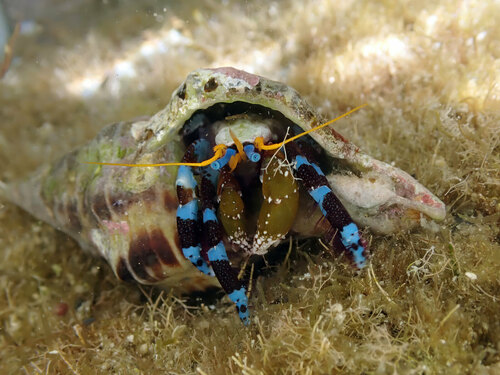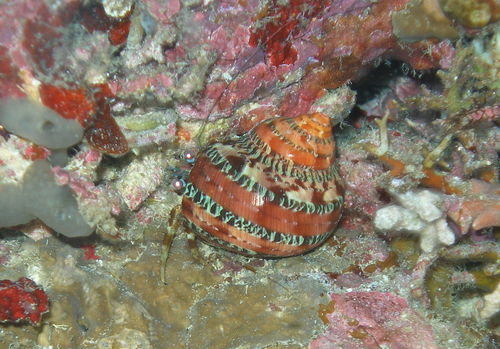
Blue Leg Hermit Crab
Clibanarius Sp.
In Stock
Common stock
Wild Caught
Moderate care
SKU: CB-SC-0148
The Blue Leg Hermit Crab is a vibrant and hardy invertebrate, perfect for adding color and activity to any aquarium.
Pricing for Verified Importers
Log in to see wholesale prices and order.
Export Size
up to 5.0 cm
Origin
Indo-Pacific
Temperature
24.0–28.0°C
Min. Tank Size
50 L
pH
8.10–8.40
Diet
omnivore
The Blue Leg Hermit Crab (Clibanarius sp.) is a popular invertebrate among aquarium enthusiasts due to its striking appearance and engaging behavior. This species is characterized by its bright blue legs and a variety of shell choices, which they actively swap as they grow. Their vivid coloration not only enhances the aesthetic appeal of aquariums but also serves as a form of camouflage in their natural habitats. Found primarily in shallow coastal waters, these crabs thrive in sandy and rocky substrates, where they can scavenge for food and hide from predators.
In terms of behavior, Blue Leg Hermit Crabs are social creatures often seen in groups, playing a crucial role in the ecosystem by helping to clean up detritus and algae. They are known for their curious nature, frequently exploring their surroundings and interacting with other tank mates. These crabs are opportunistic feeders, making them adaptable to various dietary options, which is beneficial for aquarists looking to maintain a balanced ecosystem in their tanks.
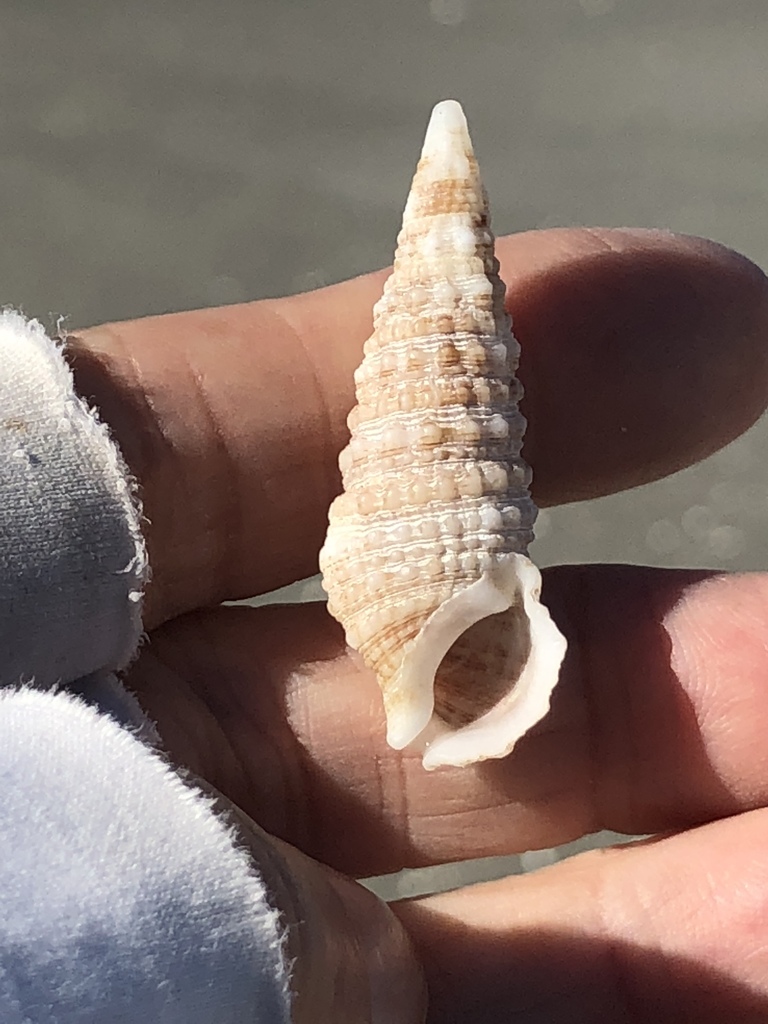
The habitat of the Blue Leg Hermit Crab typically includes coral reefs and lagoons, where they inhabit empty shells of snails and other mollusks. As they grow, they will migrate to larger shells, showcasing their need for both mobility and adaptability in their environment. Their ability to thrive in both marine and brackish conditions makes them a versatile addition to various aquatic setups, although they are primarily found in saltwater environments.
Overall, the combination of their vibrant coloration, intriguing behavior, and ecological importance make the Blue Leg Hermit Crab an essential species for marine aquarists and a favorite among collectors and hobbyists alike.
In terms of behavior, Blue Leg Hermit Crabs are social creatures often seen in groups, playing a crucial role in the ecosystem by helping to clean up detritus and algae. They are known for their curious nature, frequently exploring their surroundings and interacting with other tank mates. These crabs are opportunistic feeders, making them adaptable to various dietary options, which is beneficial for aquarists looking to maintain a balanced ecosystem in their tanks.
The habitat of the Blue Leg Hermit Crab typically includes coral reefs and lagoons, where they inhabit empty shells of snails and other mollusks. As they grow, they will migrate to larger shells, showcasing their need for both mobility and adaptability in their environment. Their ability to thrive in both marine and brackish conditions makes them a versatile addition to various aquatic setups, although they are primarily found in saltwater environments.
Overall, the combination of their vibrant coloration, intriguing behavior, and ecological importance make the Blue Leg Hermit Crab an essential species for marine aquarists and a favorite among collectors and hobbyists alike.
To maintain optimal health for Blue Leg Hermit Crabs, water parameters should be closely monitored. They thrive in temperatures ranging from 24°C to 28°C and require a pH level between 8.1 and 8.4, with salinity levels typical for marine environments. It is essential to provide a well-aerated tank with plenty of hiding spots and substrates for burrowing, as this mimics their natural habitat.
Feeding these crabs can involve a varied diet of high-quality pellets, algae wafers, and occasional protein sources like shrimp or fish flakes. They are scavengers and will also consume uneaten food in the tank, contributing to the overall cleanliness. When introducing new crabs to an aquarium, gradual acclimation is crucial to reduce stress; a drip acclimation method is recommended.
Compatibility is generally good with other non-aggressive marine species, but caution should be taken with larger fish that may see them as food. Quarantine new arrivals for at least two weeks to monitor for any signs of disease, which helps ensure a healthy tank environment. Regular water changes and tank maintenance will support the well-being of Blue Leg Hermit Crabs in a community aquarium setting.
Feeding these crabs can involve a varied diet of high-quality pellets, algae wafers, and occasional protein sources like shrimp or fish flakes. They are scavengers and will also consume uneaten food in the tank, contributing to the overall cleanliness. When introducing new crabs to an aquarium, gradual acclimation is crucial to reduce stress; a drip acclimation method is recommended.
Compatibility is generally good with other non-aggressive marine species, but caution should be taken with larger fish that may see them as food. Quarantine new arrivals for at least two weeks to monitor for any signs of disease, which helps ensure a healthy tank environment. Regular water changes and tank maintenance will support the well-being of Blue Leg Hermit Crabs in a community aquarium setting.
The Blue Leg Hermit Crab is suitable for shipping with proper care. They should be packed in a breathable container with damp substrate to maintain humidity during transit. A packing density of up to 12 crabs per liter is recommended to ensure comfort. Temperature sensitivity is moderate, so maintaining a consistent temperature between 24°C and 28°C during shipping is essential. This species is not listed under CITES, simplifying export regulations.
Species Parameters
Max Adult Size
5.0 cm
Origin
Indo-Pacific
Diet
omnivore
Temp Min
24.0 °C
Temp Max
28.0 °C
pH Min
8.10
pH Max
8.40
Min Tank
50 L