Turbo Snail
morula granulata
In Stock
Common stock
Wild Caught
Moderate care
With Caution
SKU: ML-MF-0567
The Turbo Snail (morula granulata) is a resilient herbivore that helps maintain coral reef health.
Pricing for Verified Importers
Log in to see wholesale prices and order.
Export Size
up to 5.0 cm
Origin
Indo-Pacific
Temperature
24.0–28.0°C
Min. Tank Size
50 L
Salinity
1.020–1.025 ppt
pH
8.10–8.40
Diet
herbivore
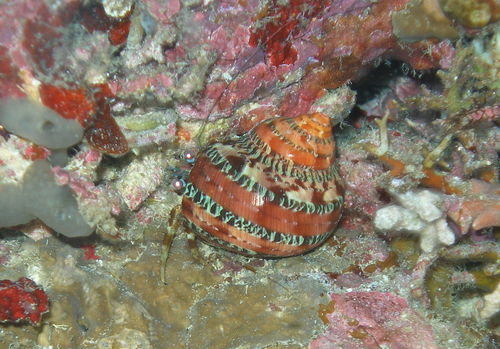
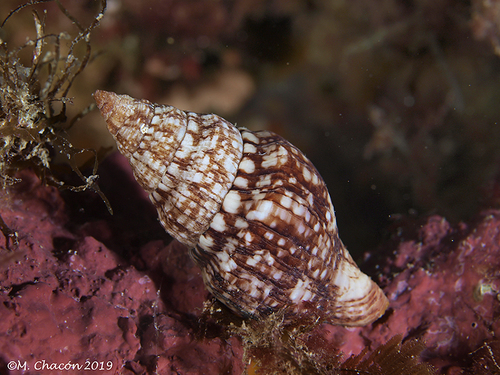
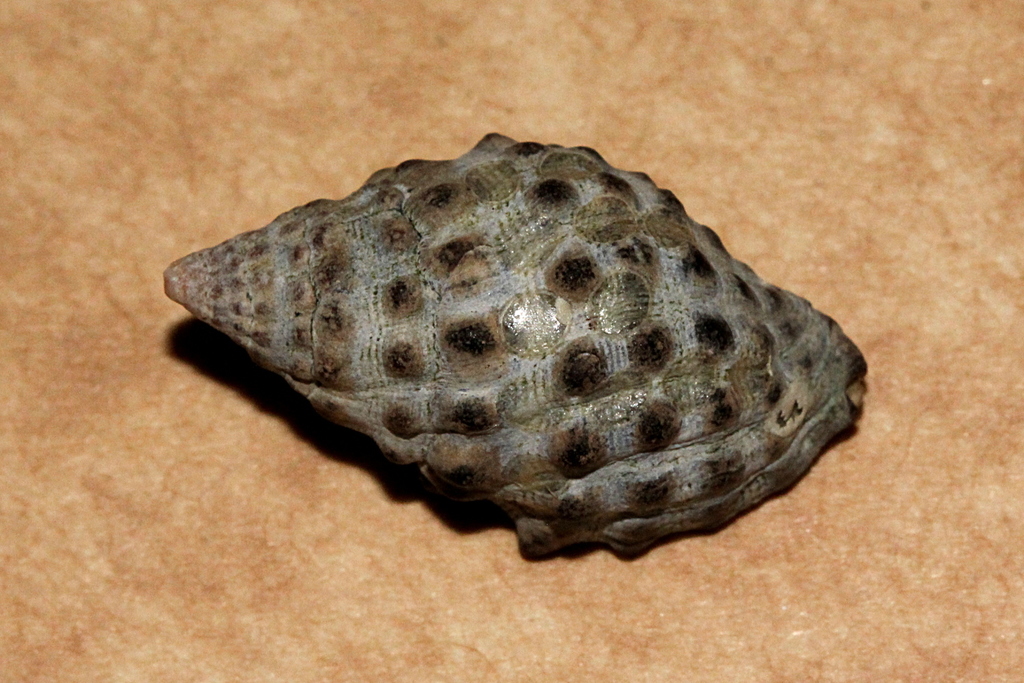
The Turbo Snail, scientifically known as morula granulata, is a marine gastropod that plays a vital role in the ecosystem of coral reefs. Characterized by its distinct, spiraled shell, which can reach a maximum size of about 5 cm, this species showcases a hard, glossy surface that can vary in color from brown to green, often adorned with lighter-colored stripes. These snails are primarily found in shallow waters where they inhabit rocks and coral substrates, contributing to the biodiversity of their habitats.
In terms of behavior, Turbo Snails are known for their grazing habits, feeding predominantly on algae, which they scrape off hard surfaces using their specialized radula. This feeding behavior not only helps in algae control but also promotes the health of the coral reefs by preventing algae overgrowth that can smother coral. In addition to their role as grazers, they exhibit a slow, deliberate movement, which allows them to thoroughly clean surfaces they inhabit.
Turbo Snails are usually found in the Indo-Pacific region, thriving in warm, tropical waters. They prefer environments with stable temperatures and good water circulation, often residing in areas with abundant coral and rocky formations. Their ability to adapt to varying salinity levels allows them to be a versatile inhabitant of both reef and lagoon environments, making them an essential species for maintaining the ecological balance in marine ecosystems.
Overall, the Turbo Snail is not only an aesthetically pleasing addition to marine aquariums but also an essential contributor to the health and stability of coral reef ecosystems. Its unique characteristics and ecological importance make it a valuable species for both hobbyists and marine conservation efforts.
In terms of behavior, Turbo Snails are known for their grazing habits, feeding predominantly on algae, which they scrape off hard surfaces using their specialized radula. This feeding behavior not only helps in algae control but also promotes the health of the coral reefs by preventing algae overgrowth that can smother coral. In addition to their role as grazers, they exhibit a slow, deliberate movement, which allows them to thoroughly clean surfaces they inhabit.
Turbo Snails are usually found in the Indo-Pacific region, thriving in warm, tropical waters. They prefer environments with stable temperatures and good water circulation, often residing in areas with abundant coral and rocky formations. Their ability to adapt to varying salinity levels allows them to be a versatile inhabitant of both reef and lagoon environments, making them an essential species for maintaining the ecological balance in marine ecosystems.
Overall, the Turbo Snail is not only an aesthetically pleasing addition to marine aquariums but also an essential contributor to the health and stability of coral reef ecosystems. Its unique characteristics and ecological importance make it a valuable species for both hobbyists and marine conservation efforts.
When caring for Turbo Snails, it is essential to maintain optimal water parameters to ensure their health and longevity. The ideal temperature range for these snails is between 24°C and 28°C, with a salinity level of 1.020 to 1.025 ppt. The pH should be kept between 8.1 and 8.4 to mimic their natural environment. Regular water changes and adequate filtration are crucial to maintain water quality.
Feeding Turbo Snails is relatively straightforward, as they thrive on a diet rich in algae. They can be supplemented with algae wafers or blanched vegetables to ensure they receive a balanced diet. These snails are generally peaceful and can be housed with a variety of marine species, including other invertebrates and fish, although caution should be taken with aggressive tank mates that may disturb them.
Acclimation is a critical step when introducing Turbo Snails to a new environment. A slow acclimation process is recommended to minimize stress, ideally over a period of several hours. Quarantine is also advisable for new arrivals to prevent the introduction of pests or diseases into established tanks. By following these care guidelines, retailers and importers can ensure the Turbo Snail thrives in aquarium settings.
Feeding Turbo Snails is relatively straightforward, as they thrive on a diet rich in algae. They can be supplemented with algae wafers or blanched vegetables to ensure they receive a balanced diet. These snails are generally peaceful and can be housed with a variety of marine species, including other invertebrates and fish, although caution should be taken with aggressive tank mates that may disturb them.
Acclimation is a critical step when introducing Turbo Snails to a new environment. A slow acclimation process is recommended to minimize stress, ideally over a period of several hours. Quarantine is also advisable for new arrivals to prevent the introduction of pests or diseases into established tanks. By following these care guidelines, retailers and importers can ensure the Turbo Snail thrives in aquarium settings.
Turbo Snails are suitable for shipping due to their hard shells, which provide some protection during transit. It is recommended to pack them with sufficient moisture and air circulation to withstand the journey. Maintain a stable temperature during shipping, ideally between 24°C and 26°C, to prevent stress. There are no specific CITES regulations concerning Turbo Snails, making them easier to export.
Species Parameters
Max Adult Size
5.0 cm
Origin
Indo-Pacific
Diet
herbivore
Temp Min
24.0 °C
Temp Max
28.0 °C
Salinity Min
1.020
Salinity Max
1.025
pH Min
8.10
pH Max
8.40
Min Tank
50 L