CITES App. II
Blue Sand Polyp
Zoanthus Spec
In Stock
Common stock
Wild Caught
Moderate care
Reef Safe ✓
SKU: CB-SC-0108
The Blue Sand Polyp captivates with its vibrant hues and unique adaptability.
Pricing for Verified Importers
Log in to see wholesale prices and order.
Export Size
up to 5.0 cm
Origin
Coral Triangle
Temperature
24.0–28.0°C
Min. Tank Size
50 L
Salinity
1.023–1.025 ppt
pH
8.10–8.40
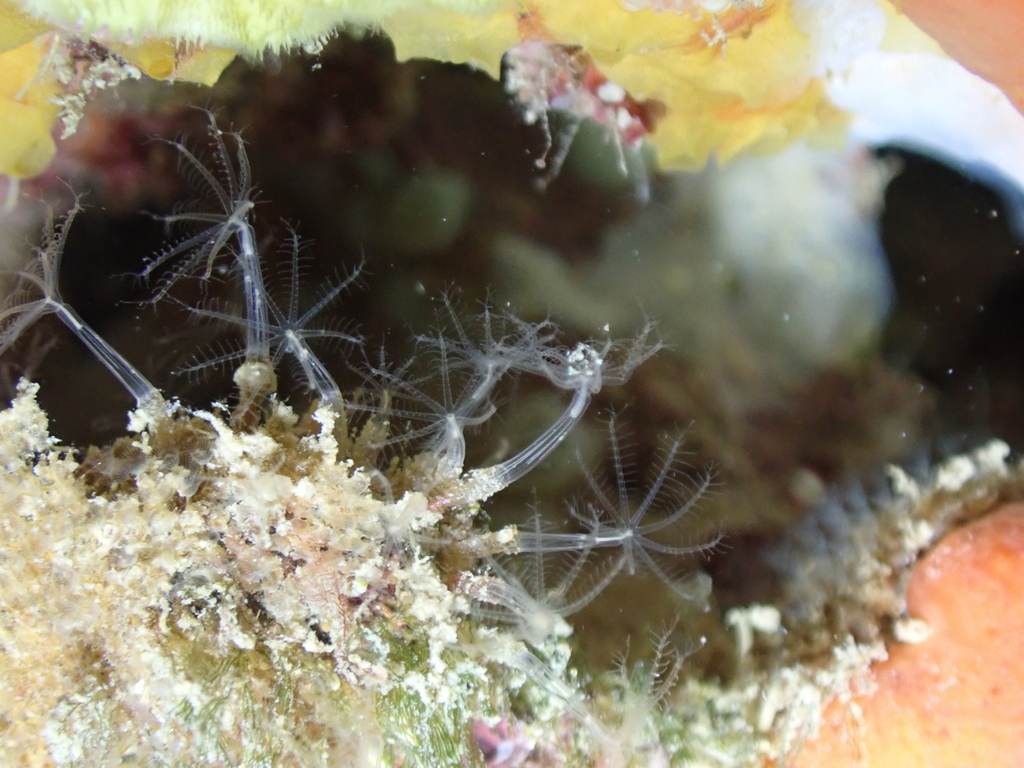
The Blue Sand Polyp (Zoanthus Spec) is a stunning coral species native to the warm waters of the Coral Triangle, particularly found in the rich marine environments of Bali, Indonesia. Renowned for its striking blue coloration and intricate polyp structures, this coral adds a splash of color to any marine aquarium. The polyps can extend their tentacles to capture plankton and other microscopic food particles, showcasing their active feeding behavior that is both captivating and essential for their survival.
In their natural habitat, Blue Sand Polyps thrive in shallow reefs where they can benefit from both light and nutrient availability. They typically grow in colonies, forming dense mats on rocky substrates or sandy bottoms. Their ability to adapt to varying light conditions makes them a favorite among marine aquarists, as they can be placed in a range of lighting scenarios. However, the vibrant coloration of these corals is best displayed under moderate to high lighting levels, which promotes their health and growth.
Behaviorally, Blue Sand Polyps exhibit a fascinating symbiotic relationship with zooxanthellae, photosynthetic algae that reside within their tissues. This relationship not only provides energy through photosynthesis but also contributes to the corals' vibrant coloration. In addition to their symbiotic relationship, these corals can also feed on small zooplankton, enhancing their nutrition and overall health. Their resilience and adaptability to different water conditions make them a suitable choice for aquarists looking to enhance their marine displays.
Overall, the Blue Sand Polyp is not just an aesthetically pleasing species; it is also a vital component of reef ecosystems, contributing to biodiversity and habitat complexity. Collectively, these features make the Blue Sand Polyp a highly sought-after species for both wholesalers and retailers in the aquarium trade.
In their natural habitat, Blue Sand Polyps thrive in shallow reefs where they can benefit from both light and nutrient availability. They typically grow in colonies, forming dense mats on rocky substrates or sandy bottoms. Their ability to adapt to varying light conditions makes them a favorite among marine aquarists, as they can be placed in a range of lighting scenarios. However, the vibrant coloration of these corals is best displayed under moderate to high lighting levels, which promotes their health and growth.
Behaviorally, Blue Sand Polyps exhibit a fascinating symbiotic relationship with zooxanthellae, photosynthetic algae that reside within their tissues. This relationship not only provides energy through photosynthesis but also contributes to the corals' vibrant coloration. In addition to their symbiotic relationship, these corals can also feed on small zooplankton, enhancing their nutrition and overall health. Their resilience and adaptability to different water conditions make them a suitable choice for aquarists looking to enhance their marine displays.
Overall, the Blue Sand Polyp is not just an aesthetically pleasing species; it is also a vital component of reef ecosystems, contributing to biodiversity and habitat complexity. Collectively, these features make the Blue Sand Polyp a highly sought-after species for both wholesalers and retailers in the aquarium trade.
To ensure the health and vitality of Blue Sand Polyps in captivity, aquarists should aim to maintain stable water parameters. The ideal temperature range is between 24°C and 28°C, with a salinity of 1.023 to 1.025 ppt. pH levels should be kept between 8.1 and 8.4. Regular water changes and monitoring of these parameters are crucial for the long-term success of these corals.
Feeding Blue Sand Polyps involves providing a balanced diet of both zooplankton and phytoplankton, along with the natural light they receive for photosynthesis. It is advisable to feed them twice a week, ensuring that food particles are small enough for the polyps to capture effectively. Compatibility with other species is generally good; however, care should be taken to avoid aggressive tank mates that may outcompete them for space and resources.
Acclimation should be conducted slowly to minimize stress. This can be achieved by floating the bag in the aquarium water for about 15 minutes, followed by gradually introducing aquarium water into the bag over a period of one hour. Quarantine is recommended for new arrivals to prevent the introduction of pests or diseases into the main tank, ensuring a healthy and thriving environment for all marine inhabitants.
Feeding Blue Sand Polyps involves providing a balanced diet of both zooplankton and phytoplankton, along with the natural light they receive for photosynthesis. It is advisable to feed them twice a week, ensuring that food particles are small enough for the polyps to capture effectively. Compatibility with other species is generally good; however, care should be taken to avoid aggressive tank mates that may outcompete them for space and resources.
Acclimation should be conducted slowly to minimize stress. This can be achieved by floating the bag in the aquarium water for about 15 minutes, followed by gradually introducing aquarium water into the bag over a period of one hour. Quarantine is recommended for new arrivals to prevent the introduction of pests or diseases into the main tank, ensuring a healthy and thriving environment for all marine inhabitants.
Blue Sand Polyps are suitable for shipping due to their resilience. When packing, ensure that they are secured in individual containers to prevent damage. The ideal shipping temperature is between 20°C and 25°C to minimize stress. As of the latest regulations, these corals are not listed under CITES, allowing for easier exportation. Always verify local regulations prior to shipping.
Species Parameters
Max Adult Size
5.0 cm
Origin
Coral Triangle
Temp Min
24.0 °C
Temp Max
28.0 °C
Salinity Min
1.023
Salinity Max
1.025
pH Min
8.10
pH Max
8.40
Min Tank
50 L