CITES App. II
Multi Colours Sand Polyps
Zoanthus Spec
In Stock
Common stock
Wild Caught
Moderate care
Reef Safe ✓
SKU: CB-SC-0110
Vibrant and colorful, Multi Colours Sand Polyps enhance any reef aquarium.
Pricing for Verified Importers
Log in to see wholesale prices and order.
Export Size
up to 5.0 cm
Origin
Coral Triangle
Temperature
24.0–28.0°C
Min. Tank Size
100 L
Salinity
30.000–35.000 ppt
pH
8.10–8.40
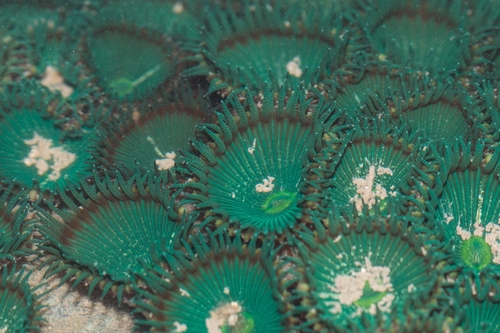
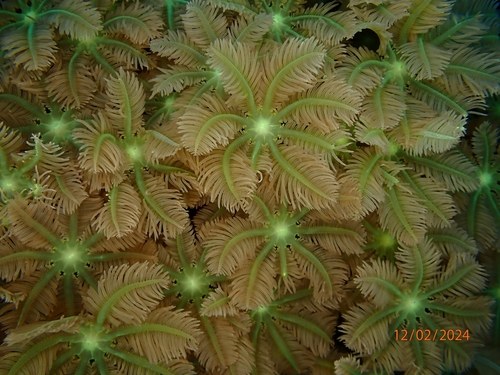
Multi Colours Sand Polyps, scientifically known as Zoanthus spec, are a stunning coral species native to the vibrant reefs of the Coral Triangle. These corals are known for their diverse range of colors, which can include shades of green, orange, red, and blue. Each polyp has a unique pattern, adding a dynamic visual element to any marine aquarium. They are typically found on sandy substrates in shallow waters, making them an essential part of the reef ecosystem.
In their natural habitat, Multi Colours Sand Polyps form small colonies that provide shelter for various marine organisms. Their polyps are capable of expanding during the day to capture sunlight and provide energy through photosynthesis, while also feeding on plankton and other small particles in the water column during the night. This dual feeding strategy makes them not only visually appealing but also ecologically important in nutrient cycling within reef systems.
Behaviorally, these corals exhibit a fascinating adaptation to their environment. They can retract their polyps during stress or unfavorable conditions, such as changes in water quality or temperature. This ability to adapt helps ensure their survival in fluctuating marine environments. Moreover, they have a symbiotic relationship with zooxanthellae, microscopic algae that reside within their tissues, granting them vibrant colors and energy through photosynthesis.
Overall, Multi Colours Sand Polyps are a captivating addition to reef aquariums, providing both aesthetic appeal and ecological functions. Their hardiness and adaptability make them suitable for both novice and experienced aquarists alike.
In their natural habitat, Multi Colours Sand Polyps form small colonies that provide shelter for various marine organisms. Their polyps are capable of expanding during the day to capture sunlight and provide energy through photosynthesis, while also feeding on plankton and other small particles in the water column during the night. This dual feeding strategy makes them not only visually appealing but also ecologically important in nutrient cycling within reef systems.
Behaviorally, these corals exhibit a fascinating adaptation to their environment. They can retract their polyps during stress or unfavorable conditions, such as changes in water quality or temperature. This ability to adapt helps ensure their survival in fluctuating marine environments. Moreover, they have a symbiotic relationship with zooxanthellae, microscopic algae that reside within their tissues, granting them vibrant colors and energy through photosynthesis.
Overall, Multi Colours Sand Polyps are a captivating addition to reef aquariums, providing both aesthetic appeal and ecological functions. Their hardiness and adaptability make them suitable for both novice and experienced aquarists alike.
To ensure the health of Multi Colours Sand Polyps, maintaining optimal water parameters is critical. The ideal temperature range is between 24°C to 28°C, with a salinity of 30-35 ppt. pH levels should be kept between 8.1 and 8.4 for optimal growth. Regular testing of water quality is essential to prevent fluctuations that could harm these corals.
Feeding these polyps involves a combination of light and supplemental feeding. While they primarily rely on photosynthesis, providing small zooplankton or coral food a few times a week can enhance their growth and coloration. Compatibility with other reef species is generally good, but caution should be taken with aggressive corals that may outcompete them for space and resources.
Acclimation should be conducted slowly to minimize stress; gradually introduce them to the aquarium environment over several hours. Quarantine is recommended for new arrivals to prevent the introduction of pests or diseases to the main display tank. By following these care guidelines, importers and retailers can ensure the thriving health of Multi Colours Sand Polyps in their aquariums.
Feeding these polyps involves a combination of light and supplemental feeding. While they primarily rely on photosynthesis, providing small zooplankton or coral food a few times a week can enhance their growth and coloration. Compatibility with other reef species is generally good, but caution should be taken with aggressive corals that may outcompete them for space and resources.
Acclimation should be conducted slowly to minimize stress; gradually introduce them to the aquarium environment over several hours. Quarantine is recommended for new arrivals to prevent the introduction of pests or diseases to the main display tank. By following these care guidelines, importers and retailers can ensure the thriving health of Multi Colours Sand Polyps in their aquariums.
Multi Colours Sand Polyps are suitable for shipping, provided they are well-packed to minimize stress during transit. A packing density of 1-2 polyps per bag is recommended to ensure adequate water flow and oxygenation. They are sensitive to temperature fluctuations, so maintaining a stable temperature between 24°C and 28°C during shipping is crucial. These corals are not listed under CITES, simplifying export regulations.
Species Parameters
Max Adult Size
5.0 cm
Origin
Coral Triangle
Temp Min
24.0 °C
Temp Max
28.0 °C
Salinity Min
30.000
Salinity Max
35.000
pH Min
8.10
pH Max
8.40
Min Tank
100 L