CITES App. II
Clove Polyps
Cornularia Spec.
In Stock
Common stock
Wild Caught
Moderate care
Reef Safe ✓
SKU: CB-SC-0092
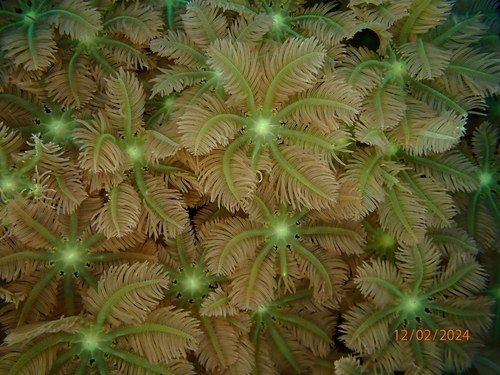
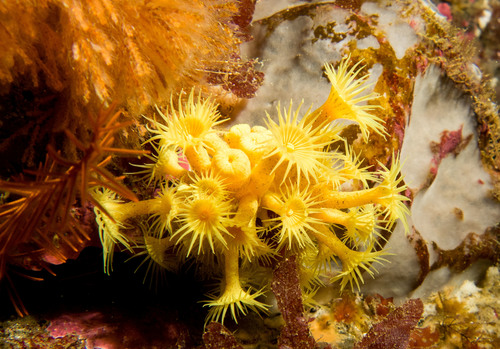
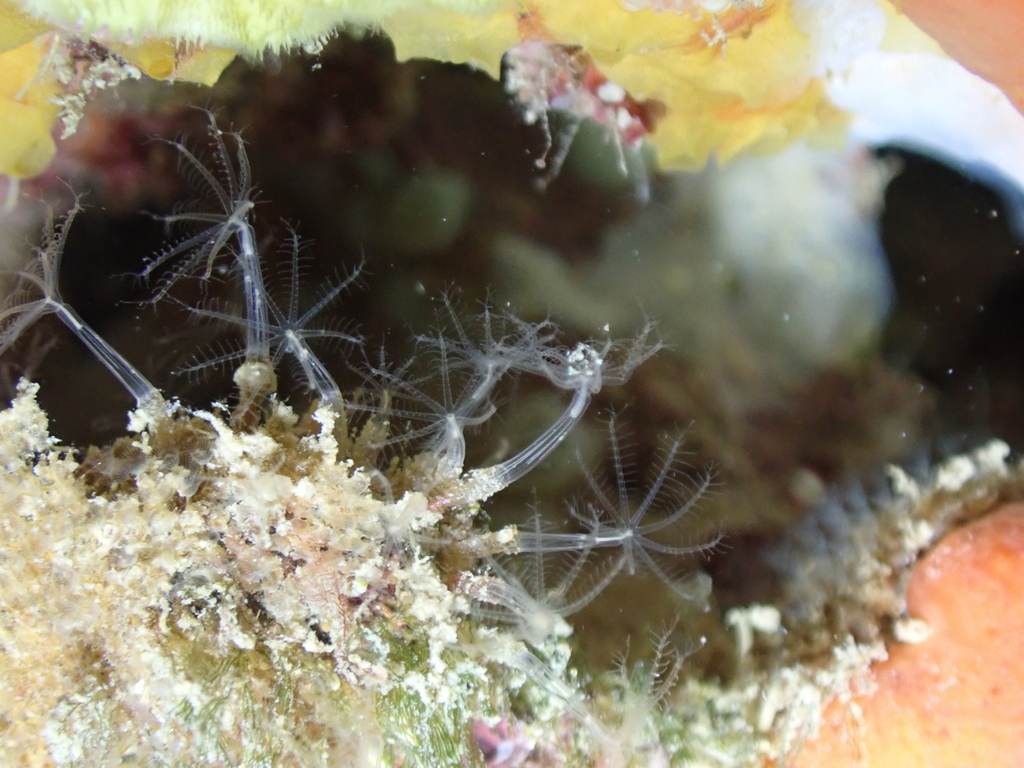
Clove Polyps (Cornularia Spec.) are stunning corals known for their vibrant colors and unique polyp structure.
Pricing for Verified Importers
Log in to see wholesale prices and order.
Export Size
up to 10.0 cm
Origin
Indo-Pacific
Temperature
24.0–28.0°C
Min. Tank Size
100 L
Salinity
1.023–1.025 ppt
pH
8.10–8.40
Clove Polyps, scientifically known as Cornularia Spec., are a captivating species of soft coral found primarily in the warm waters of the Indo-Pacific region. These corals are renowned for their distinctive clove-like appearance, characterized by small, fleshy polyps that extend from a central base, creating a visually striking display in any marine aquarium. Their colors can range from deep greens to bright pinks, providing an attractive addition to coral reefs and aquascapes.
In their natural habitat, Clove Polyps thrive in shallow waters where they can receive ample light and nutrients. They often inhabit rocky substrates and are commonly found in areas with moderate water movement. Their ability to adapt to varying environmental conditions makes them resilient and a popular choice among aquarium enthusiasts. Additionally, they engage in symbiotic relationships with zooxanthellae, photosynthetic algae that reside within their tissues, allowing them to derive energy through photosynthesis.
Behaviorally, Clove Polyps exhibit a unique feeding strategy; they extend their polyps to capture plankton and organic particles from the water column. This opportunistic feeding behavior not only supports their growth but also contributes to the overall health of the reef ecosystem. They tend to expand their polyps during the day and retract them at night, showcasing their dynamic nature.
Overall, Clove Polyps are not only beautiful but also play a vital role in the marine ecosystem, providing habitat and food for various marine organisms. Their vibrant appearance and hardy nature make them a favorite among coral collectors and aquarists alike.
In their natural habitat, Clove Polyps thrive in shallow waters where they can receive ample light and nutrients. They often inhabit rocky substrates and are commonly found in areas with moderate water movement. Their ability to adapt to varying environmental conditions makes them resilient and a popular choice among aquarium enthusiasts. Additionally, they engage in symbiotic relationships with zooxanthellae, photosynthetic algae that reside within their tissues, allowing them to derive energy through photosynthesis.
Behaviorally, Clove Polyps exhibit a unique feeding strategy; they extend their polyps to capture plankton and organic particles from the water column. This opportunistic feeding behavior not only supports their growth but also contributes to the overall health of the reef ecosystem. They tend to expand their polyps during the day and retract them at night, showcasing their dynamic nature.
Overall, Clove Polyps are not only beautiful but also play a vital role in the marine ecosystem, providing habitat and food for various marine organisms. Their vibrant appearance and hardy nature make them a favorite among coral collectors and aquarists alike.
To ensure the health and vitality of Clove Polyps, maintaining optimal water parameters is essential. Ideal conditions include a temperature range of 24-28°C, salinity between 1.023-1.025 ppt, and a pH level of 8.1-8.4. Regular water changes and stable water quality will enhance their growth and coloration.
Feeding Clove Polyps involves supplementing their diet with finely powdered marine foods, phytoplankton, and zooplankton. While they can photosynthesize, regular feedings will encourage fuller polyp extension and overall health. Compatibility with other marine species is generally good, as they can coexist with a variety of fish and invertebrates; however, care should be taken to avoid aggressive species that may harm them.
Acclimation is crucial when introducing Clove Polyps to a new tank. A slow acclimation process over several hours will help reduce stress. Quarantine is recommended to monitor for pests or diseases before adding them to a display tank. Maintaining stable conditions during this period is vital for their successful adaptation to a new environment.
Feeding Clove Polyps involves supplementing their diet with finely powdered marine foods, phytoplankton, and zooplankton. While they can photosynthesize, regular feedings will encourage fuller polyp extension and overall health. Compatibility with other marine species is generally good, as they can coexist with a variety of fish and invertebrates; however, care should be taken to avoid aggressive species that may harm them.
Acclimation is crucial when introducing Clove Polyps to a new tank. A slow acclimation process over several hours will help reduce stress. Quarantine is recommended to monitor for pests or diseases before adding them to a display tank. Maintaining stable conditions during this period is vital for their successful adaptation to a new environment.
Clove Polyps are suitable for shipping due to their hardy nature. They should be packed securely in damp materials to maintain moisture and prevent damage during transport. A temperature range of 20-25°C is ideal to minimize stress. Ensure compliance with CITES regulations, as this species is not listed but check local regulations for export.
Species Parameters
Max Adult Size
10.0 cm
Origin
Indo-Pacific
Temp Min
24.0 °C
Temp Max
28.0 °C
Salinity Min
1.023
Salinity Max
1.025
pH Min
8.10
pH Max
8.40
Min Tank
100 L