CITES App. II
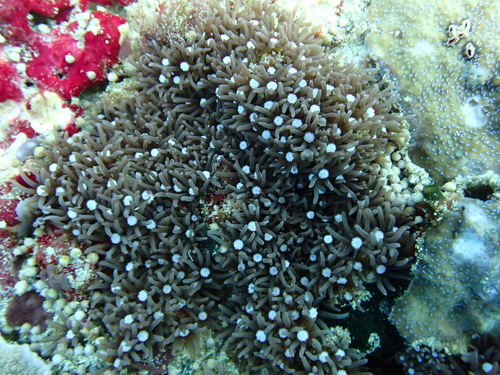
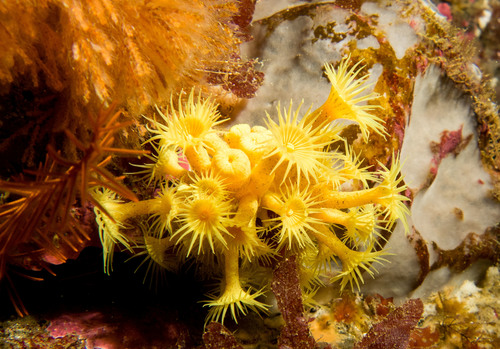
Blue Sand Polyps
Parazoanthus spp.
In Stock
Common stock
Aquacultured
Easy care
Reef Safe ✓
SKU: CRPARAblues
Blue Sand Polyps add vibrant color and unique texture to marine aquariums.
Pricing for Verified Importers
Log in to see wholesale prices and order.
Origin
Coral Triangle
Temperature
24.0–28.0°C
Min. Tank Size
100 L
Salinity
32.000–35.000 ppt
pH
8.00–8.40
Diet
carnivore
Blue Sand Polyps (Parazoanthus spp.) are captivating colonial corals known for their striking blue coloration, which can vary in intensity depending on environmental conditions. These corals typically form extensive mats that can cover large areas of the substrate, creating a visually appealing habitat in marine settings. They thrive in diverse reef environments, often found in shallow waters where they can receive ample light and nutrient flow. Unlike hard corals, blue sand polyps are soft corals that exhibit a unique flexibility, allowing them to sway gracefully with water currents.
In terms of appearance, blue sand polyps feature numerous small polyps that extend from a central mat, each adorned with vibrant tentacles that can retract when disturbed. This characteristic makes them not only an attractive addition to any aquarium but also an essential part of the reef ecosystem, providing habitat and food for various marine organisms. Their behavior is largely passive, relying on water currents to bring in food particles while they extend their tentacles to capture plankton and other microscopic organisms.
These corals are found predominantly in the Coral Triangle region, which is renowned for its rich biodiversity. They prefer sandy substrates in well-lit environments, often growing in areas that receive moderate to strong water flow. This natural habitat provides them with the nutrients they need to thrive, making them a suitable choice for marine aquarists looking to replicate a vibrant reef ecosystem in their tanks.
In summary, blue sand polyps are not just visually stunning; they play a crucial role in maintaining the health and balance of their natural environments, making them a valuable species for both aquarists and the broader marine ecosystem.
In terms of appearance, blue sand polyps feature numerous small polyps that extend from a central mat, each adorned with vibrant tentacles that can retract when disturbed. This characteristic makes them not only an attractive addition to any aquarium but also an essential part of the reef ecosystem, providing habitat and food for various marine organisms. Their behavior is largely passive, relying on water currents to bring in food particles while they extend their tentacles to capture plankton and other microscopic organisms.
These corals are found predominantly in the Coral Triangle region, which is renowned for its rich biodiversity. They prefer sandy substrates in well-lit environments, often growing in areas that receive moderate to strong water flow. This natural habitat provides them with the nutrients they need to thrive, making them a suitable choice for marine aquarists looking to replicate a vibrant reef ecosystem in their tanks.
In summary, blue sand polyps are not just visually stunning; they play a crucial role in maintaining the health and balance of their natural environments, making them a valuable species for both aquarists and the broader marine ecosystem.
To ensure the health and vitality of Blue Sand Polyps, it is crucial to maintain optimal water parameters. The ideal temperature range for these corals is between 24°C and 28°C, with a salinity of 32 to 35 ppt. A pH level between 8.0 and 8.4 is recommended, as this closely mimics their natural habitat. Adequate filtration and water movement are essential to keep the water clean and to deliver food particles to the corals.
Feeding Blue Sand Polyps requires a focus on providing small particulate foods, such as phytoplankton and zooplankton, which can be suspended in the water column. Regular feedings several times a week will help promote healthy growth and vibrant coloration. These corals are generally peaceful and can be housed with a variety of other reef-safe species, making them compatible with many other marine inhabitants.
Acclimation is a critical process when introducing Blue Sand Polyps to a new environment. Slowly acclimate them over several hours to avoid stress. Quarantine is recommended for new imports to prevent the introduction of pests or diseases into established systems. Ensure that the quarantine tank also maintains similar water parameters to provide a smooth transition for the corals.
Feeding Blue Sand Polyps requires a focus on providing small particulate foods, such as phytoplankton and zooplankton, which can be suspended in the water column. Regular feedings several times a week will help promote healthy growth and vibrant coloration. These corals are generally peaceful and can be housed with a variety of other reef-safe species, making them compatible with many other marine inhabitants.
Acclimation is a critical process when introducing Blue Sand Polyps to a new environment. Slowly acclimate them over several hours to avoid stress. Quarantine is recommended for new imports to prevent the introduction of pests or diseases into established systems. Ensure that the quarantine tank also maintains similar water parameters to provide a smooth transition for the corals.
Blue Sand Polyps are suitable for shipping due to their resilience, but care must be taken to maintain stable temperatures during transit. Packing density should be moderate to allow for some movement without risking damage. Maintaining a temperature range of 24°C to 28°C is critical during shipping. Currently, there are no CITES regulations affecting this species, allowing for easier export.
Species Parameters
Origin
Coral Triangle
Habitat
reef
Diet
carnivore
Temp Min
24.0 °C
Temp Max
28.0 °C
Salinity Min
32.000
Salinity Max
35.000
pH Min
8.00
pH Max
8.40
Min Tank
100 L