CITES App. II
Green Sand Polyps
Zoanthus Spec.
In Stock
Common stock
Wild Caught
Moderate care
Reef Safe ✓
SKU: CB-SC-0105
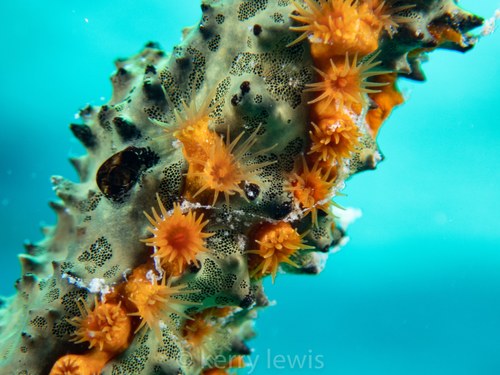
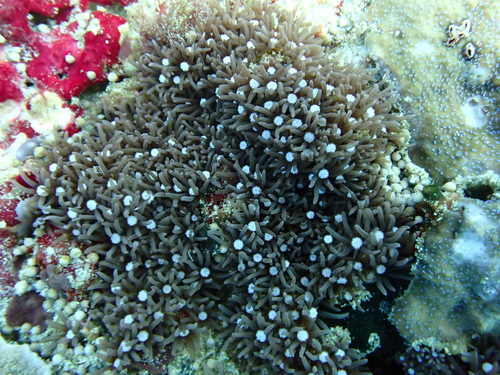
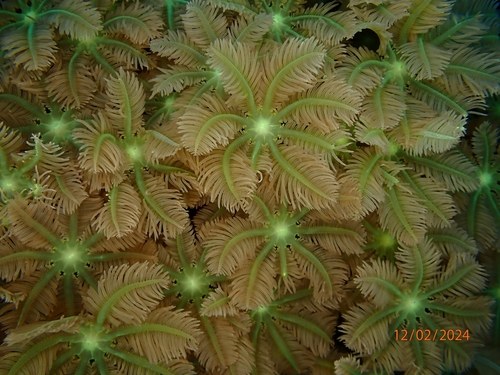
Green Sand Polyps add vibrant color and unique texture to any reef aquarium.
Pricing for Verified Importers
Log in to see wholesale prices and order.
Export Size
up to 5.0 cm
Origin
Coral Triangle
Temperature
24.0–28.0°C
Min. Tank Size
100 L
Salinity
1.020–1.025 ppt
pH
8.10–8.40
Green Sand Polyps (Zoanthus Spec.) are a captivating species of coral known for their bright green coloration and intricate polyps. These hardy corals are native to the warm, shallow waters of the Coral Triangle, often found in areas with moderate water movement and ample sunlight. Their ability to thrive in various conditions makes them a popular choice for both novice and experienced aquarists.
In terms of appearance, Green Sand Polyps feature a striking green hue with a soft, fleshy texture. The polyps can expand and retract, creating a stunning visual effect as they sway with water currents. This species is often found growing in large colonies, forming dense mats that can cover rocky surfaces or sandy substrates, providing an inviting habitat for small marine life.
Behaviorally, Green Sand Polyps exhibit a symbiotic relationship with zooxanthellae, microscopic algae that live within their tissues. This relationship allows them to perform photosynthesis, contributing to their energy needs while providing vibrant colors. They are generally peaceful corals, making them suitable for community tanks, but they can compete for space and light with other corals if not managed properly.
In their natural habitat, these polyps thrive in coral reefs where they benefit from the nutrient-rich waters and diverse marine life. Their resilience to changing conditions has made them an ideal choice for aquarists looking to create a vibrant and dynamic reef environment.
In terms of appearance, Green Sand Polyps feature a striking green hue with a soft, fleshy texture. The polyps can expand and retract, creating a stunning visual effect as they sway with water currents. This species is often found growing in large colonies, forming dense mats that can cover rocky surfaces or sandy substrates, providing an inviting habitat for small marine life.
Behaviorally, Green Sand Polyps exhibit a symbiotic relationship with zooxanthellae, microscopic algae that live within their tissues. This relationship allows them to perform photosynthesis, contributing to their energy needs while providing vibrant colors. They are generally peaceful corals, making them suitable for community tanks, but they can compete for space and light with other corals if not managed properly.
In their natural habitat, these polyps thrive in coral reefs where they benefit from the nutrient-rich waters and diverse marine life. Their resilience to changing conditions has made them an ideal choice for aquarists looking to create a vibrant and dynamic reef environment.
When caring for Green Sand Polyps, maintaining stable water parameters is crucial. Ideal temperature ranges from 24°C to 28°C, with salinity levels between 1.020 and 1.025 ppt. The pH should be maintained between 8.1 and 8.4 to ensure optimal health. Regular water changes and good filtration will help keep the water quality high, which is essential for the growth and coloration of these corals.
Feeding Green Sand Polyps can be accomplished through a combination of light and occasional targeted feedings. While they primarily rely on photosynthesis via their symbiotic algae, supplementing with planktonic foods or coral-specific foods can enhance their growth and vibrancy. It’s important to ensure they are not overcrowded as they need space to flourish and expand.
Compatibility is generally favorable, as Green Sand Polyps are non-aggressive towards other corals. However, placing them away from more aggressive species is recommended to avoid competition. Acclimation should be done gradually, introducing them slowly to the main tank environment to prevent shock. Quarantine is also advisable to monitor for pests or diseases before introducing them into the display tank.
Feeding Green Sand Polyps can be accomplished through a combination of light and occasional targeted feedings. While they primarily rely on photosynthesis via their symbiotic algae, supplementing with planktonic foods or coral-specific foods can enhance their growth and vibrancy. It’s important to ensure they are not overcrowded as they need space to flourish and expand.
Compatibility is generally favorable, as Green Sand Polyps are non-aggressive towards other corals. However, placing them away from more aggressive species is recommended to avoid competition. Acclimation should be done gradually, introducing them slowly to the main tank environment to prevent shock. Quarantine is also advisable to monitor for pests or diseases before introducing them into the display tank.
Green Sand Polyps are suitable for shipping due to their hardy nature. They should be packed in insulated containers with adequate moisture to maintain their health during transit. A packing density of 1-2 polyp colonies per container is recommended to prevent damage. They are sensitive to extreme temperature changes, so maintaining a stable temperature of 22°C to 26°C during shipping is essential. This species is not listed under CITES, making export regulations less stringent.
Species Parameters
Max Adult Size
5.0 cm
Origin
Coral Triangle
Temp Min
24.0 °C
Temp Max
28.0 °C
Salinity Min
1.020
Salinity Max
1.025
pH Min
8.10
pH Max
8.40
Min Tank
100 L