CITES App. II
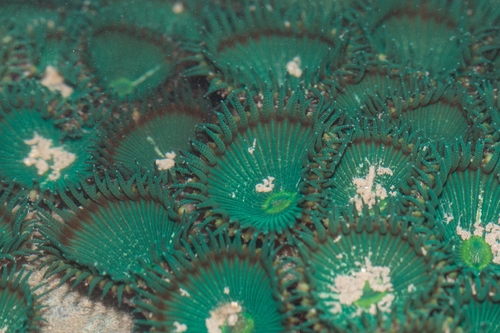
Ordinary Pipe Button Polyps
Protopalythoa sp.
In Stock
Common stock
Aquacultured
Easy care
Reef Safe ✓
SKU: CRPROTordina2
Ordinary Pipe Button Polyps are vibrant coral species known for their resilience and stunning appearance.
Pricing for Verified Importers
Log in to see wholesale prices and order.
Export Size
up to 5.0 cm
Origin
Coral Triangle
Temperature
24.0–28.0°C
Min. Tank Size
100 L
Salinity
35.000–35.000 ppt
pH
8.10–8.40
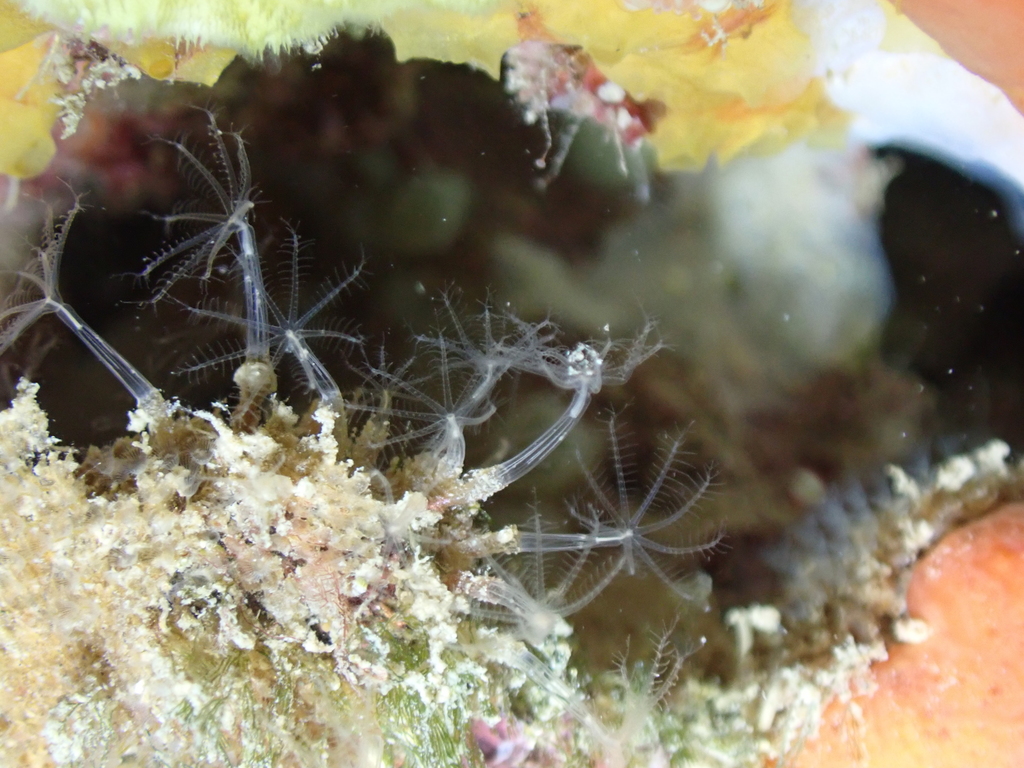
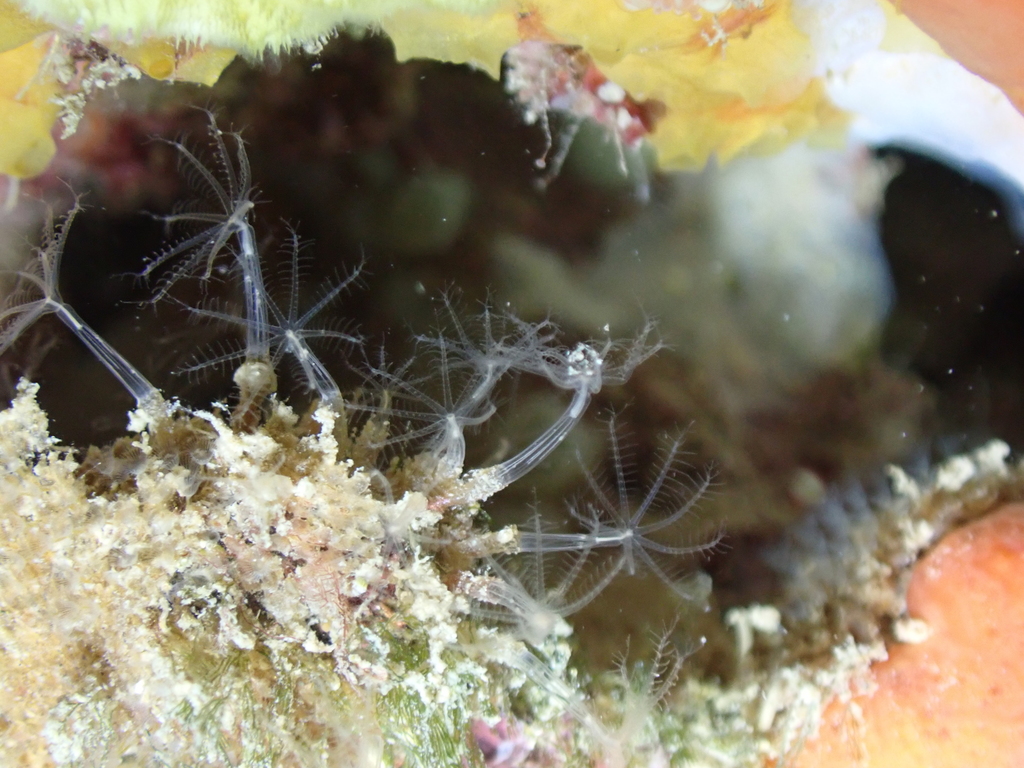
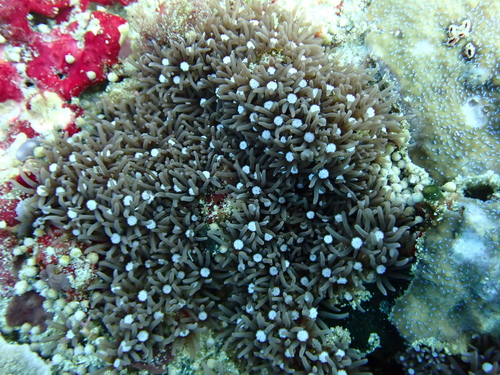
Ordinary Pipe Button Polyps (Protopalythoa sp.) are fascinating colonial corals found in the shallow waters of the Indo-Pacific region, particularly around the Coral Triangle. These corals are characterized by their small, button-like polyps that can display a variety of colors, including green, brown, and yellow. Their unique morphology allows them to thrive in various reef environments, making them a popular choice among aquarium enthusiasts and professional aquarists alike.
In their natural habitat, Ordinary Pipe Button Polyps often form dense colonies on rocky substrates, where they contribute to the biodiversity of reef ecosystems. They exhibit a symbiotic relationship with zooxanthellae, which provides them with energy through photosynthesis. This relationship allows them to flourish in well-lit environments while also benefiting from the nutrients available in the surrounding water.
Behaviorally, these polyps are generally peaceful and can coexist with a variety of marine species. They are known for their ability to retract when disturbed, providing them with a defense mechanism against potential threats. Their growth patterns enable them to spread across surfaces, creating beautiful, colorful displays that are a delight to observe in both natural settings and aquariums.
Ordinary Pipe Button Polyps prefer stable environments with adequate water movement, which helps in nutrient delivery and waste removal. They are often found in areas with moderate to high light levels, making them an attractive addition to reef tanks that aim to replicate natural conditions.
In their natural habitat, Ordinary Pipe Button Polyps often form dense colonies on rocky substrates, where they contribute to the biodiversity of reef ecosystems. They exhibit a symbiotic relationship with zooxanthellae, which provides them with energy through photosynthesis. This relationship allows them to flourish in well-lit environments while also benefiting from the nutrients available in the surrounding water.
Behaviorally, these polyps are generally peaceful and can coexist with a variety of marine species. They are known for their ability to retract when disturbed, providing them with a defense mechanism against potential threats. Their growth patterns enable them to spread across surfaces, creating beautiful, colorful displays that are a delight to observe in both natural settings and aquariums.
Ordinary Pipe Button Polyps prefer stable environments with adequate water movement, which helps in nutrient delivery and waste removal. They are often found in areas with moderate to high light levels, making them an attractive addition to reef tanks that aim to replicate natural conditions.
To ensure the health and vitality of Ordinary Pipe Button Polyps, maintaining optimal water parameters is crucial. Ideal temperature ranges from 24°C to 28°C, with a salinity of 1.023 to 1.025 ppt. The pH should be maintained between 8.1 and 8.4. Regular monitoring of these parameters will help in providing a stable environment conducive to growth.
Feeding these corals primarily involves ensuring adequate light for their symbiotic zooxanthellae, but occasional supplementary feeding with planktonic foods or coral-specific nutrition can promote growth and enhance coloration. Compatibility with other tank inhabitants is generally good, as they are peaceful and can thrive alongside a variety of fish and invertebrates, though care should be taken to avoid aggressive species.
Acclimation is essential for successful integration into a new system. Gradually introduce the polyps to the aquarium environment over several hours, allowing them to adjust to water temperature and parameters. Quarantining new arrivals for at least two weeks can help prevent the introduction of disease into established tanks, promoting overall tank health.
Feeding these corals primarily involves ensuring adequate light for their symbiotic zooxanthellae, but occasional supplementary feeding with planktonic foods or coral-specific nutrition can promote growth and enhance coloration. Compatibility with other tank inhabitants is generally good, as they are peaceful and can thrive alongside a variety of fish and invertebrates, though care should be taken to avoid aggressive species.
Acclimation is essential for successful integration into a new system. Gradually introduce the polyps to the aquarium environment over several hours, allowing them to adjust to water temperature and parameters. Quarantining new arrivals for at least two weeks can help prevent the introduction of disease into established tanks, promoting overall tank health.
Ordinary Pipe Button Polyps are suitable for shipping due to their resilience. They should be packed securely to minimize movement during transit, ideally utilizing water-filled bags with adequate oxygen. Temperature sensitivity is moderate; therefore, maintaining a stable temperature around 24-26°C during transport is recommended. These corals are not listed under CITES, simplifying export regulations.
Species Parameters
Max Adult Size
5.0 cm
Origin
Coral Triangle
Habitat
reef
Temp Min
24.0 °C
Temp Max
28.0 °C
Salinity Min
35.000
Salinity Max
35.000
pH Min
8.10
pH Max
8.40
Min Tank
100 L