CITES App. II
Star Polyps
Clavularia Viridis
In Stock
Common stock
Wild Caught
Moderate care
Reef Safe ✓
SKU: CB-SC-0087
Discover the vibrant beauty of Star Polyps, a captivating coral species perfect for reef aquariums.
Pricing for Verified Importers
Log in to see wholesale prices and order.
Origin
Indo-Pacific
Temperature
24.0–28.0°C
Min. Tank Size
100 L
Salinity
1.023–1.025 ppt
pH
8.10–8.40
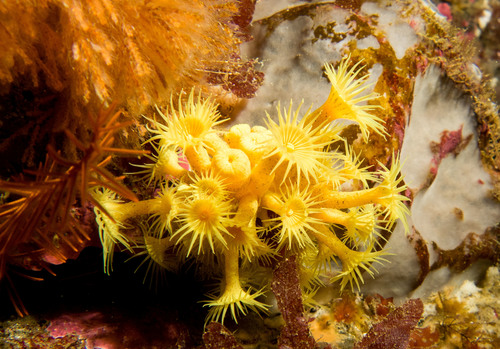
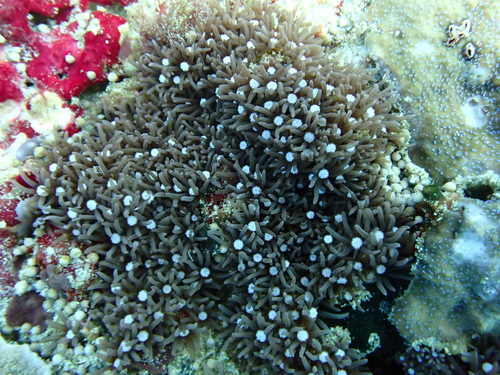
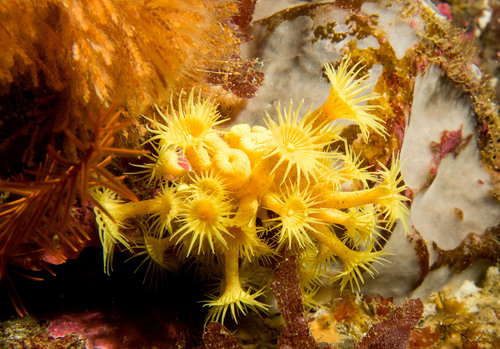
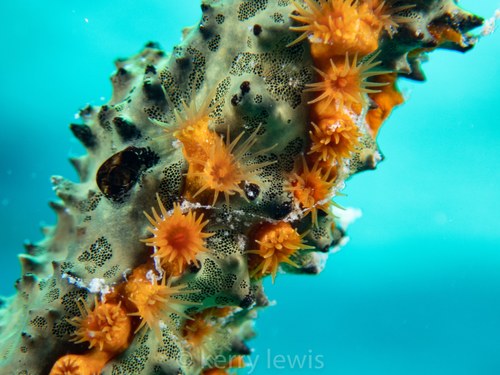
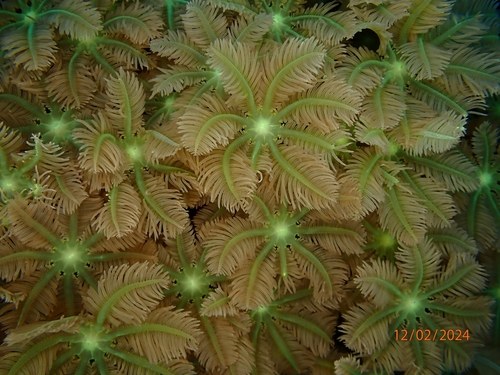
Star Polyps (Clavularia viridis) are a stunning coral species native to the shallow waters of the Indo-Pacific region. Recognized for their vibrant green coloration and star-shaped polyps, these corals are a favorite among aquarists for their aesthetic appeal and hardy nature. They are often found in colonies, creating a lush carpet effect that can transform any aquarium into a vibrant underwater landscape.
In their natural habitat, Star Polyps thrive in intertidal zones and shallow reefs, where they benefit from ample sunlight and water movement. They typically grow on hard substrates such as rocks, where their polyps extend to capture plankton and organic particles from the water column. The unique structure of their polyps allows them to open widely during the day, showcasing their beautiful coloration, while retracting at night for protection.
Behaviorally, Star Polyps are known to be relatively peaceful and can coexist with a variety of marine life, making them an excellent choice for community reef tanks. They can exhibit rapid growth under optimal conditions, which may necessitate regular pruning to maintain their desired appearance. Their ability to reproduce both sexually and asexually contributes to their resilience in aquarium environments.
Overall, Star Polyps not only enhance the visual appeal of an aquarium but also contribute to the overall health of the reef ecosystem by providing habitat for small marine organisms. Their low maintenance and hardy nature make them an ideal addition for both novice and experienced aquarists alike.
In their natural habitat, Star Polyps thrive in intertidal zones and shallow reefs, where they benefit from ample sunlight and water movement. They typically grow on hard substrates such as rocks, where their polyps extend to capture plankton and organic particles from the water column. The unique structure of their polyps allows them to open widely during the day, showcasing their beautiful coloration, while retracting at night for protection.
Behaviorally, Star Polyps are known to be relatively peaceful and can coexist with a variety of marine life, making them an excellent choice for community reef tanks. They can exhibit rapid growth under optimal conditions, which may necessitate regular pruning to maintain their desired appearance. Their ability to reproduce both sexually and asexually contributes to their resilience in aquarium environments.
Overall, Star Polyps not only enhance the visual appeal of an aquarium but also contribute to the overall health of the reef ecosystem by providing habitat for small marine organisms. Their low maintenance and hardy nature make them an ideal addition for both novice and experienced aquarists alike.
To ensure the health and vitality of Star Polyps, maintain stable water parameters: temperature should range between 24-28°C, salinity between 1.023-1.025 ppt, and pH levels should ideally be kept between 8.1 and 8.4. Regular water changes are essential to keep nitrate and phosphate levels low, as these corals thrive in clean, well-circulated water that mimics their natural environment.
Feeding Star Polyps is generally unnecessary, as they derive nutrients through photosynthesis via their symbiotic zooxanthellae. However, during periods of low light or stress, supplementing with liquid coral foods or phytoplankton can be beneficial. Compatibility is typically good; however, care should be taken when introducing them to aggressive species that may compete for space or harm their delicate polyps.
Acclimation is crucial for the successful introduction of Star Polyps into a new aquarium. Gradually acclimate them over several hours by floating the bag in the aquarium and slowly mixing tank water into the bag. Quarantine new corals for at least two weeks to monitor for pests or disease before adding them to the main tank. Regular monitoring and maintenance will ensure these corals flourish and add beauty to your aquatic display.
Feeding Star Polyps is generally unnecessary, as they derive nutrients through photosynthesis via their symbiotic zooxanthellae. However, during periods of low light or stress, supplementing with liquid coral foods or phytoplankton can be beneficial. Compatibility is typically good; however, care should be taken when introducing them to aggressive species that may compete for space or harm their delicate polyps.
Acclimation is crucial for the successful introduction of Star Polyps into a new aquarium. Gradually acclimate them over several hours by floating the bag in the aquarium and slowly mixing tank water into the bag. Quarantine new corals for at least two weeks to monitor for pests or disease before adding them to the main tank. Regular monitoring and maintenance will ensure these corals flourish and add beauty to your aquatic display.
Star Polyps are suitable for shipping due to their resilience, but proper care must be taken during transport. Use insulated boxes with adequate padding to prevent damage and maintain temperature stability between 24-28°C. Shipping density should allow for airflow, and corals should ideally be shipped wet to minimize stress. Star Polyps are not listed under CITES, making them easier to export.
Species Parameters
Origin
Indo-Pacific
Temp Min
24.0 °C
Temp Max
28.0 °C
Salinity Min
1.023
Salinity Max
1.025
pH Min
8.10
pH Max
8.40
Min Tank
100 L