CITES App. II
Orchid Daisy Polyps
Clavularia Sp
In Stock
Common stock
Aquacultured
Easy care
Reef Safe ✓
SKU: CRCLAVorchid
Orchid Daisy Polyps are vibrant, captivating corals perfect for reef aquariums.
Pricing for Verified Importers
Log in to see wholesale prices and order.
Export Size
up to 10.0 cm
Origin
Indo-Pacific
Temperature
24.0–28.0°C
Min. Tank Size
50 L
Salinity
20.000–25.000 ppt
pH
8.10–8.40
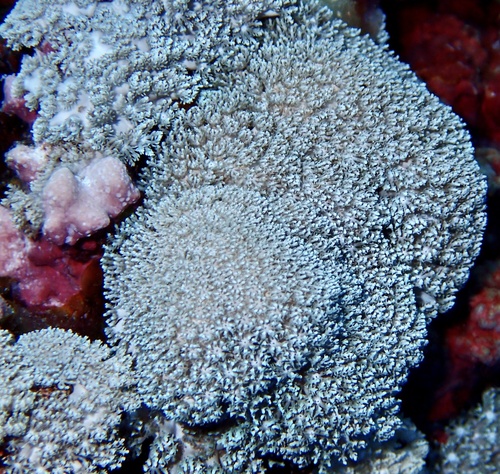
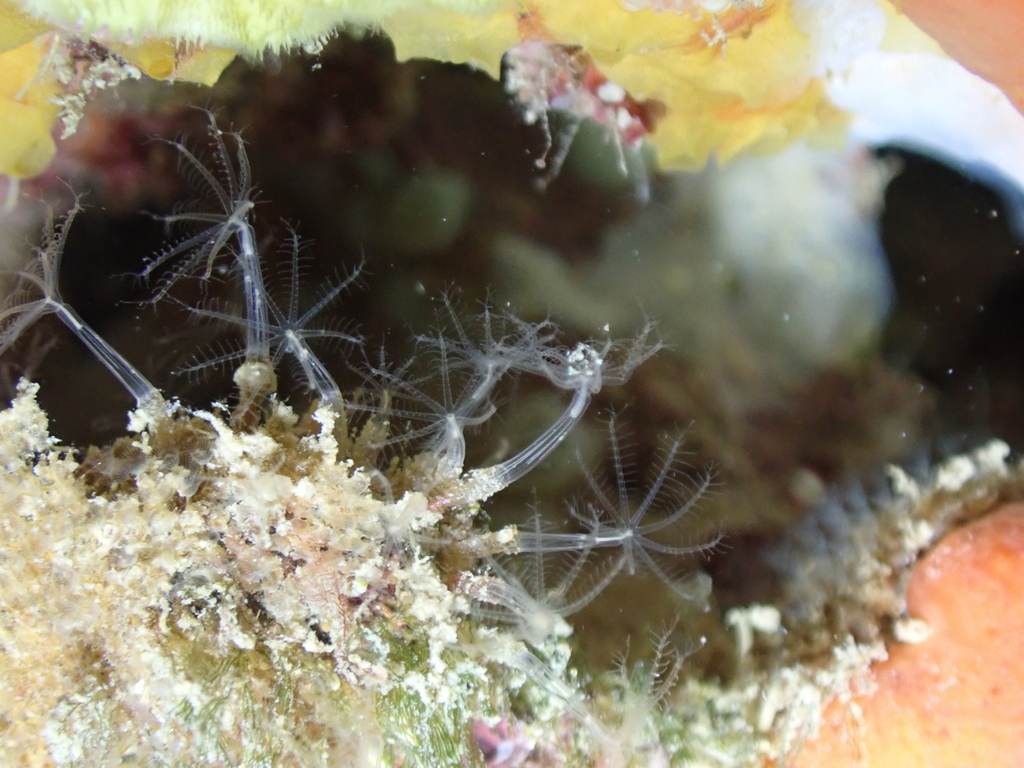
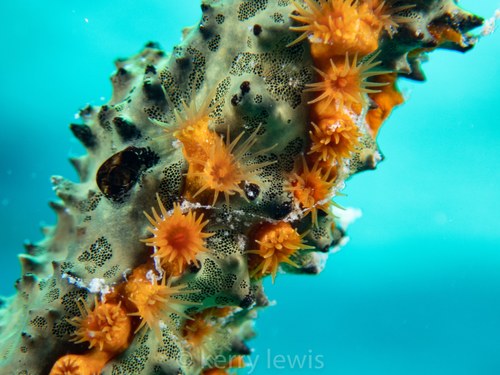
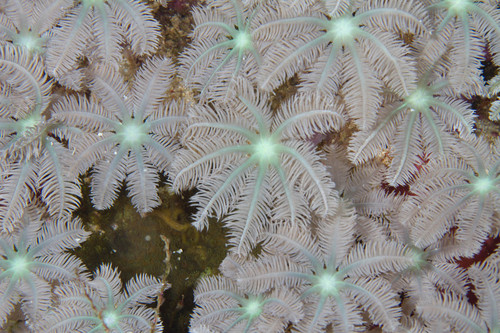
Orchid Daisy Polyps (Clavularia sp) are a stunning addition to any reef aquarium, known for their bright, colorful polyps that can create a mesmerizing visual display. These soft corals are characterized by their unique daisy-like appearance, with numerous small, extended polyps that sway gracefully in the current. They typically exhibit a range of colors from green to purple, often with contrasting centers, making them a favorite among coral enthusiasts and aquarists alike.
In their natural habitat, Orchid Daisy Polyps thrive in shallow waters of the Indo-Pacific region, often found on rocky substrates or in areas with moderate water movement. They are part of the larger coral ecosystem, playing a vital role in providing habitat and shelter for various marine species. These corals exhibit a fascinating symbiotic relationship with zooxanthellae, microscopic algae that live within their tissues, which not only helps them gain energy through photosynthesis but also contributes to their vibrant coloration.
Behaviorally, Orchid Daisy Polyps are typically peaceful and can coexist with other coral species, although they can be somewhat aggressive towards neighboring corals if they feel threatened. They are also known to expand their polyps during the day when light is abundant, creating a stunning spectacle for aquarium viewers. When the lights dim, they retract their polyps, conserving energy and protecting themselves from potential threats.
Due to their adaptability, these corals are suitable for both novice and experienced aquarists. Their resilience and vibrant appearance make them a popular choice for adding color and life to reef tanks, and they can thrive in a variety of water conditions, making them a versatile addition to any marine setup.
In their natural habitat, Orchid Daisy Polyps thrive in shallow waters of the Indo-Pacific region, often found on rocky substrates or in areas with moderate water movement. They are part of the larger coral ecosystem, playing a vital role in providing habitat and shelter for various marine species. These corals exhibit a fascinating symbiotic relationship with zooxanthellae, microscopic algae that live within their tissues, which not only helps them gain energy through photosynthesis but also contributes to their vibrant coloration.
Behaviorally, Orchid Daisy Polyps are typically peaceful and can coexist with other coral species, although they can be somewhat aggressive towards neighboring corals if they feel threatened. They are also known to expand their polyps during the day when light is abundant, creating a stunning spectacle for aquarium viewers. When the lights dim, they retract their polyps, conserving energy and protecting themselves from potential threats.
Due to their adaptability, these corals are suitable for both novice and experienced aquarists. Their resilience and vibrant appearance make them a popular choice for adding color and life to reef tanks, and they can thrive in a variety of water conditions, making them a versatile addition to any marine setup.
To ensure the health and vibrancy of Orchid Daisy Polyps, maintaining optimal water parameters is crucial. Ideal temperature ranges from 24°C to 28°C, with salinity levels between 1.020 and 1.025 ppt. The pH should be kept between 8.1 and 8.4 for optimal growth and coloration. Regular water changes and monitoring of these parameters will help maintain a stable environment.
Feeding Orchid Daisy Polyps is relatively straightforward, as they primarily obtain nutrients through photosynthesis. However, supplementing their diet with marine snow or other finely crushed coral food can enhance their growth and vibrancy. They do well in moderate lighting conditions and benefit from moderate water flow, which helps to deliver food particles and oxygen.
Compatibility is another important aspect of their care; Orchid Daisy Polyps are generally peaceful, making them suitable for mixed reef tanks. However, it is advisable to place them away from aggressive coral species to prevent potential stinging or overgrowth. Acclimation should be gradual to reduce stress, ideally over several hours, and a quarantine period of at least two weeks is recommended to prevent the introduction of pests or diseases to established systems.
Feeding Orchid Daisy Polyps is relatively straightforward, as they primarily obtain nutrients through photosynthesis. However, supplementing their diet with marine snow or other finely crushed coral food can enhance their growth and vibrancy. They do well in moderate lighting conditions and benefit from moderate water flow, which helps to deliver food particles and oxygen.
Compatibility is another important aspect of their care; Orchid Daisy Polyps are generally peaceful, making them suitable for mixed reef tanks. However, it is advisable to place them away from aggressive coral species to prevent potential stinging or overgrowth. Acclimation should be gradual to reduce stress, ideally over several hours, and a quarantine period of at least two weeks is recommended to prevent the introduction of pests or diseases to established systems.
Orchid Daisy Polyps are suitable for shipping due to their hardy nature. They should be packed securely to minimize movement and stress during transit, ideally using damp newspaper or foam to maintain humidity. A temperature range of 20°C to 25°C is recommended during shipping. They are not listed under CITES regulations, making export straightforward, but ensure compliance with local and international shipping laws.
Species Parameters
Max Adult Size
10.0 cm
Origin
Indo-Pacific
Habitat
reef
Temp Min
24.0 °C
Temp Max
28.0 °C
Salinity Min
20.000
Salinity Max
25.000
pH Min
8.10
pH Max
8.40
Min Tank
50 L