CITES App. II
Blue Daisy Polyps
Cornularia Spec.
In Stock
Common stock
Wild Caught
Moderate care
Reef Safe ✓
SKU: CB-SC-0094
Blue Daisy Polyps are vibrant coral species that thrive in diverse marine environments.
Pricing for Verified Importers
Log in to see wholesale prices and order.
Origin
Coral Triangle
Temperature
24.0–28.0°C
Min. Tank Size
100 L
Salinity
1.020–1.025 ppt
pH
8.10–8.40
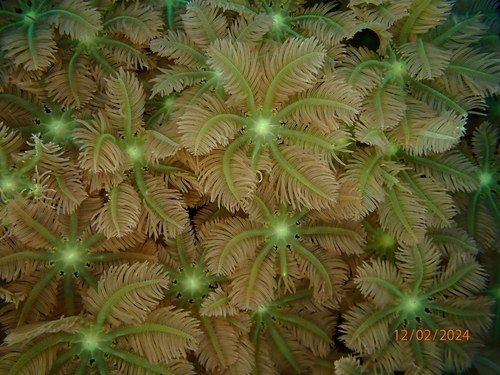
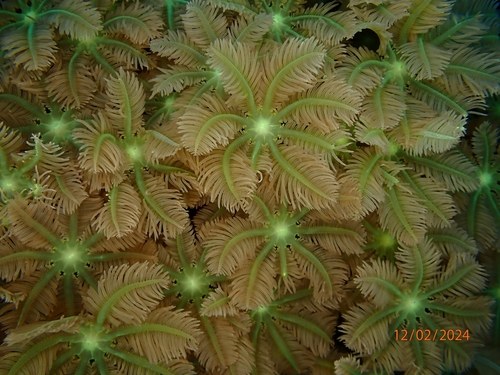
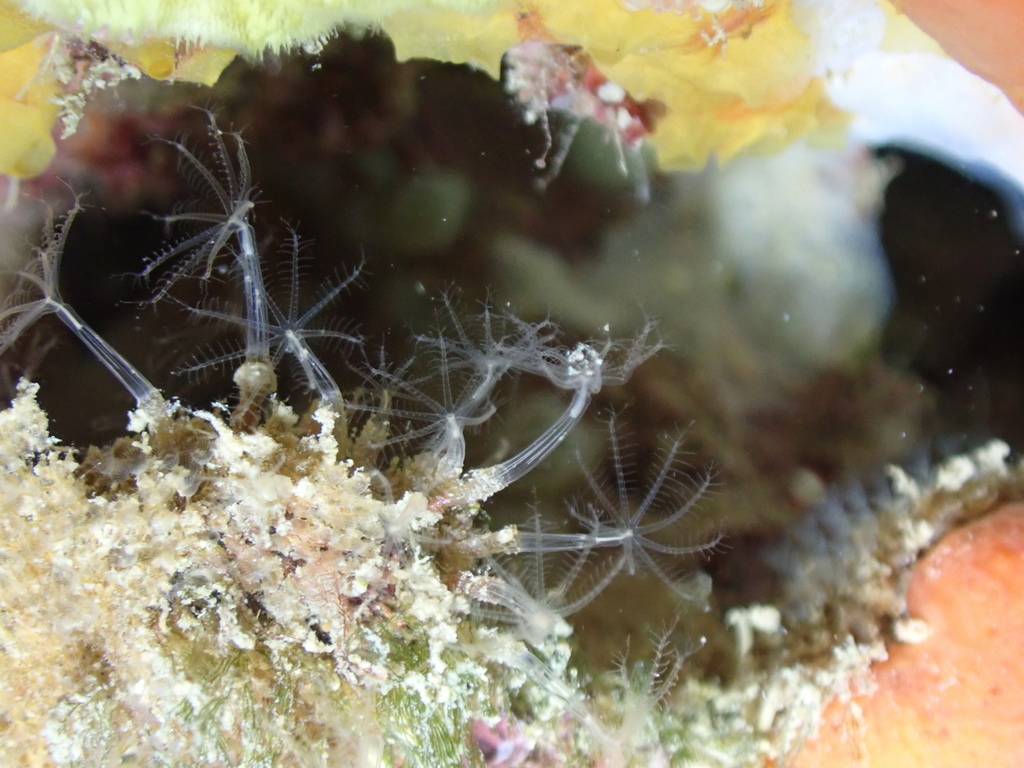
Blue Daisy Polyps, scientifically known as Cornularia spec., are a captivating coral species primarily found in the Coral Triangle region of Southeast Asia, including the vibrant waters around Bali, Indonesia. This species is characterized by its stunning blue polyps that extend from a central base, creating a beautiful visual display that enhances any marine aquarium. Their unique coloration and formation make them a favorite among aquarium enthusiasts and collectors alike.
Natural habitats for Blue Daisy Polyps include shallow reefs and rocky substrates where they can attach securely. These corals play a crucial role in their ecosystem, providing shelter and habitat for various marine organisms. The polyps are known to be quite hardy and adaptable, thriving in a range of environmental conditions. They exhibit a fascinating behavior of retracting their polyps during the night and extending them during the day, contributing to their striking aesthetic appeal.
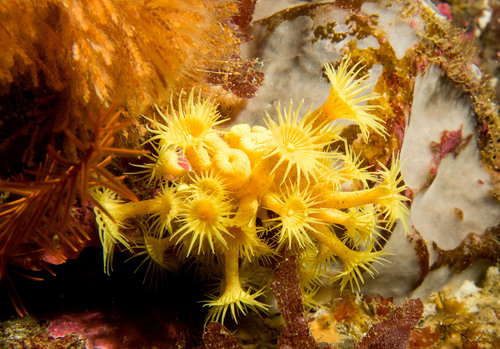
In terms of appearance, Blue Daisy Polyps exhibit a colony structure, with numerous small, daisy-like polyps that create a bushy effect. The vivid blue hue is a result of symbiotic algae, which provide energy through photosynthesis. This mutualistic relationship is essential for their growth and vitality, making light a critical factor in their maintenance.
Overall, Blue Daisy Polyps not only enhance the visual aspects of an aquarium but also contribute to its ecological balance, making them an excellent choice for both novice and experienced aquarists.
Natural habitats for Blue Daisy Polyps include shallow reefs and rocky substrates where they can attach securely. These corals play a crucial role in their ecosystem, providing shelter and habitat for various marine organisms. The polyps are known to be quite hardy and adaptable, thriving in a range of environmental conditions. They exhibit a fascinating behavior of retracting their polyps during the night and extending them during the day, contributing to their striking aesthetic appeal.
In terms of appearance, Blue Daisy Polyps exhibit a colony structure, with numerous small, daisy-like polyps that create a bushy effect. The vivid blue hue is a result of symbiotic algae, which provide energy through photosynthesis. This mutualistic relationship is essential for their growth and vitality, making light a critical factor in their maintenance.
Overall, Blue Daisy Polyps not only enhance the visual aspects of an aquarium but also contribute to its ecological balance, making them an excellent choice for both novice and experienced aquarists.
Caring for Blue Daisy Polyps requires attention to specific water parameters to ensure their health and vitality. Ideal temperature ranges between 24°C to 28°C, with stable salinity levels between 1.020 to 1.025 ppt. pH levels should be maintained between 8.1 and 8.4 to support their physiological processes. These corals thrive in well-lit environments, so providing adequate lighting is essential for their photosynthetic needs.
Feeding Blue Daisy Polyps is relatively straightforward, as they primarily obtain nutrients through photosynthesis. However, supplementing their diet with zooplankton or coral-specific foods can enhance growth and color vibrancy. It’s important to monitor their compatibility with other marine species, as aggressive or fast-moving fish may disturb them. Keeping them in a peaceful community tank will help promote their well-being.
Acclimation is crucial when introducing Blue Daisy Polyps to a new environment. Gradual acclimatization over several hours will minimize stress. Quarantine for at least two weeks is recommended to observe for any signs of disease before adding them to the main display tank. With proper care, these corals can thrive and bring a splash of color to your marine collection.
Feeding Blue Daisy Polyps is relatively straightforward, as they primarily obtain nutrients through photosynthesis. However, supplementing their diet with zooplankton or coral-specific foods can enhance growth and color vibrancy. It’s important to monitor their compatibility with other marine species, as aggressive or fast-moving fish may disturb them. Keeping them in a peaceful community tank will help promote their well-being.
Acclimation is crucial when introducing Blue Daisy Polyps to a new environment. Gradual acclimatization over several hours will minimize stress. Quarantine for at least two weeks is recommended to observe for any signs of disease before adding them to the main display tank. With proper care, these corals can thrive and bring a splash of color to your marine collection.
Blue Daisy Polyps are suitable for shipping due to their hardiness; however, careful handling is required to ensure their survival during transit. Packing should be done in a temperature-controlled environment with adequate water to minimize stress. The optimal shipping temperature is between 24°C and 26°C. It’s important to adhere to CITES regulations as these corals may be protected under international trade laws.
Species Parameters
Origin
Coral Triangle
Temp Min
24.0 °C
Temp Max
28.0 °C
Salinity Min
1.020
Salinity Max
1.025
pH Min
8.10
pH Max
8.40
Min Tank
100 L