CITES App. II
Ordinary Star Polyps
Pachyclavularia sp
In Stock
Common stock
Aquacultured
Easy care
Reef Safe ✓
SKU: CRPACHordina
Ordinary Star Polyps are vibrant, hardy corals perfect for reef aquariums.
Pricing for Verified Importers
Log in to see wholesale prices and order.
Export Size
up to 30.0 cm
Origin
Indo-Pacific
Temperature
24.0–28.0°C
Min. Tank Size
100 L
Salinity
1.020–1.025 ppt
pH
8.10–8.40
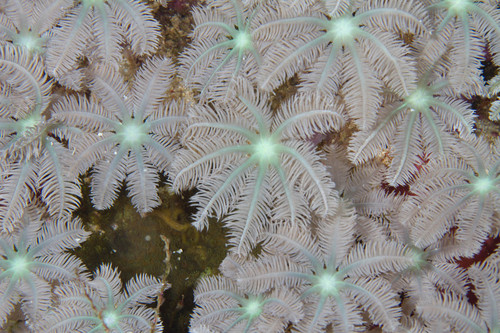
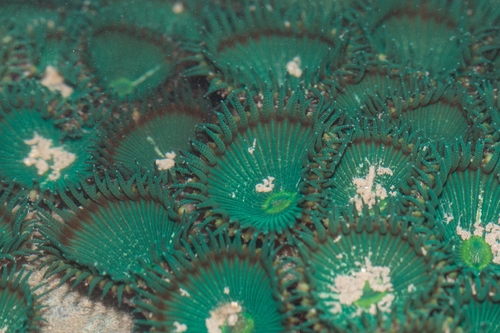
Ordinary Star Polyps (Pachyclavularia sp) are captivating soft corals known for their bright green or yellow polyps that extend from a mat-like base. These corals are popular among marine aquarium enthusiasts due to their fast growth and resilience in various water conditions. They create a stunning visual display when fully expanded, providing a lively atmosphere to reef tanks.
These corals thrive in shallow waters of the Indo-Pacific region, often found on rocky substrates in areas with moderate water movement. Their unique appearance, characterized by a star-shaped arrangement of polyps, makes them an attractive addition to any marine display. While they can adapt to a range of lighting conditions, they flourish under moderate to high light, which enhances their vibrant colors.
In terms of behavior, Ordinary Star Polyps exhibit a fascinating feeding strategy. They are primarily photosynthetic, utilizing sunlight to produce energy, but they also benefit from capturing planktonic food particles in the water. This dual feeding mechanism allows them to thrive in diverse environments, making them a staple in both natural reefs and home aquariums.
As a part of the coral reef ecosystem, Ordinary Star Polyps play a crucial role in providing habitat for various marine organisms. Their rapid growth and ability to form dense colonies contribute to the overall biodiversity of reef habitats, making them significant for both ecological balance and the aquarium trade.
These corals thrive in shallow waters of the Indo-Pacific region, often found on rocky substrates in areas with moderate water movement. Their unique appearance, characterized by a star-shaped arrangement of polyps, makes them an attractive addition to any marine display. While they can adapt to a range of lighting conditions, they flourish under moderate to high light, which enhances their vibrant colors.
In terms of behavior, Ordinary Star Polyps exhibit a fascinating feeding strategy. They are primarily photosynthetic, utilizing sunlight to produce energy, but they also benefit from capturing planktonic food particles in the water. This dual feeding mechanism allows them to thrive in diverse environments, making them a staple in both natural reefs and home aquariums.
As a part of the coral reef ecosystem, Ordinary Star Polyps play a crucial role in providing habitat for various marine organisms. Their rapid growth and ability to form dense colonies contribute to the overall biodiversity of reef habitats, making them significant for both ecological balance and the aquarium trade.
To successfully care for Ordinary Star Polyps, maintain stable water parameters. Ideal conditions include a temperature range of 24-28°C, salinity between 1.020-1.025 ppt, and a pH level of 8.1-8.4. Regular water changes and proper filtration are essential to keep nitrate and phosphate levels low, which promotes healthy growth.
Feeding these corals involves providing them with a mix of light and occasional supplemental feeding. While they primarily obtain nutrients through photosynthesis, introducing plankton or coral-specific foods once a week can enhance their health and vibrant color. It's essential to monitor their growth, as they can quickly spread and overtake available space if not managed properly.
Ordinary Star Polyps are generally compatible with most reef species but can become aggressive towards other slow-growing corals. When introducing them to a new tank, acclimate them slowly over several hours to reduce stress. Quarantine new specimens for at least two weeks to prevent the introduction of pests or diseases into your main display tank, ensuring a healthy environment for all inhabitants.
Feeding these corals involves providing them with a mix of light and occasional supplemental feeding. While they primarily obtain nutrients through photosynthesis, introducing plankton or coral-specific foods once a week can enhance their health and vibrant color. It's essential to monitor their growth, as they can quickly spread and overtake available space if not managed properly.
Ordinary Star Polyps are generally compatible with most reef species but can become aggressive towards other slow-growing corals. When introducing them to a new tank, acclimate them slowly over several hours to reduce stress. Quarantine new specimens for at least two weeks to prevent the introduction of pests or diseases into your main display tank, ensuring a healthy environment for all inhabitants.
Ordinary Star Polyps are suitable for shipping due to their hardiness. Ensure they are packed securely in water with appropriate oxygenation to maintain health during transit. Maintain a shipping temperature of 22-26°C to minimize stress. As a coral species, they are not listed under CITES and can be exported without additional restrictions.
Species Parameters
Max Adult Size
30.0 cm
Origin
Indo-Pacific
Habitat
reef
Temp Min
24.0 °C
Temp Max
28.0 °C
Salinity Min
1.020
Salinity Max
1.025
pH Min
8.10
pH Max
8.40
Min Tank
100 L