CITES App. II
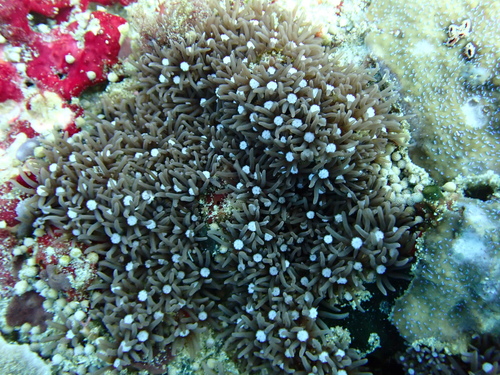
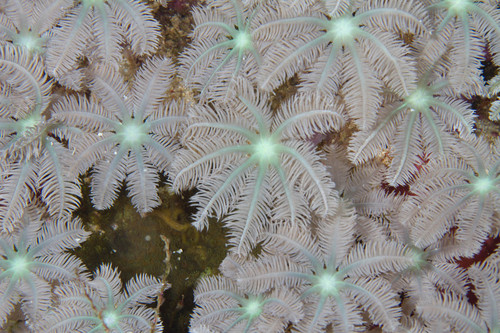
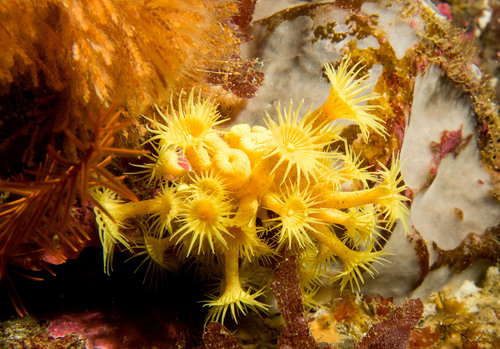
Sand polyp metallic color
Parazoanthus spp.
In Stock
Common stock
Aquacultured
Easy care
Reef Safe ✓
SKU: CRPARAsandp2
Brighten your aquarium with the vibrant Sand Polyp (Parazoanthus spp.) from Bali.
Pricing for Verified Importers
Log in to see wholesale prices and order.
Origin
Coral Triangle
Temperature
24.0–28.0°C
Min. Tank Size
50 L
Salinity
1.020–1.025 ppt
pH
8.10–8.40
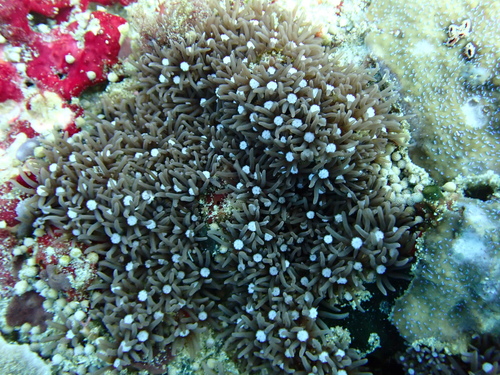
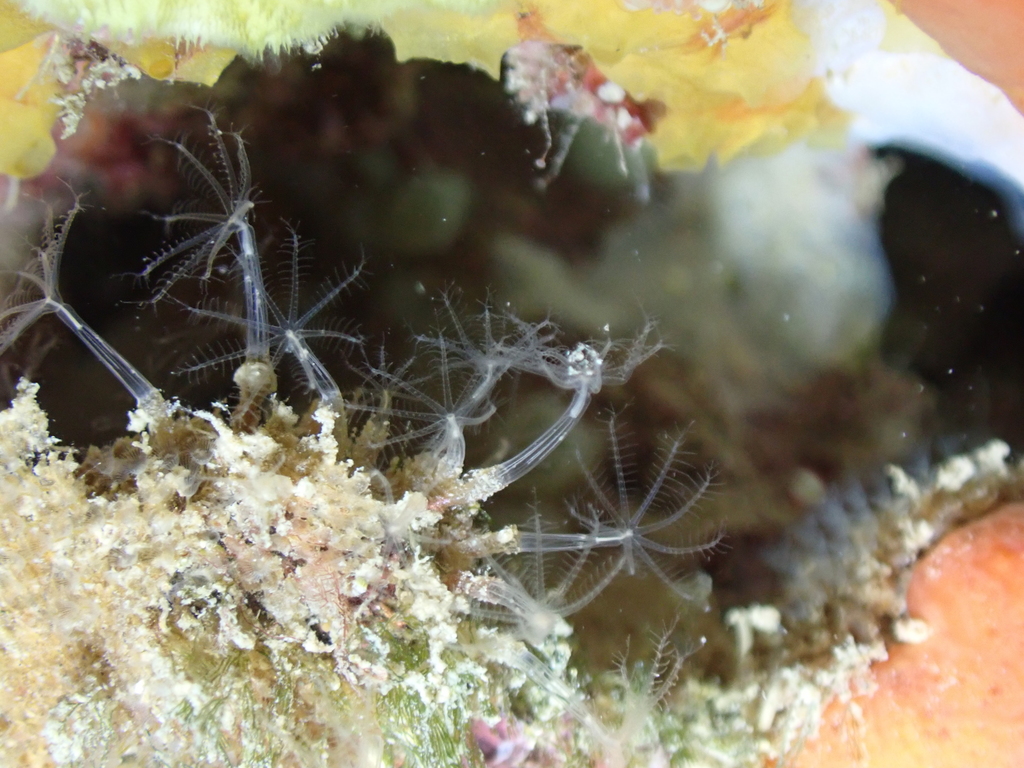
The Sand Polyp, scientifically known as Parazoanthus spp., is a captivating coral species renowned for its striking metallic colors. These corals exhibit a range of vibrant hues, including shades of blue, green, and gold, which create a stunning visual impact in marine aquariums. Found in shallow coastal waters, these corals often thrive in sandy substrates, where they form colonies that can cover extensive areas, enhancing the biodiversity of the reef ecosystem.
In terms of natural history, Sand Polyps are zoanthid corals that exhibit fascinating colonial behavior. Each polyp is a small, individual organism that can expand and contract its body, showcasing its vibrant coloration. They are primarily nocturnal feeders, extending their tentacles to capture plankton and other microscopic organisms during the night. This behavior not only highlights their adaptability but also plays a crucial role in their survival and growth in their natural habitat.
Sand Polyps prefer warm, stable water temperatures and are often found in areas with moderate water flow. They inhabit the coral reefs of the Coral Triangle, particularly around Indonesia, where the biodiversity is rich and varied. This habitat provides the necessary nutrients and light conditions for their survival, allowing them to thrive in both natural and aquarium settings.
Due to their attractive appearance and hardy nature, Sand Polyps are increasingly popular among aquarium enthusiasts. They serve as excellent starter corals for those new to marine aquariums, as well as a vibrant addition for seasoned collectors looking to enhance their coral displays.
In terms of natural history, Sand Polyps are zoanthid corals that exhibit fascinating colonial behavior. Each polyp is a small, individual organism that can expand and contract its body, showcasing its vibrant coloration. They are primarily nocturnal feeders, extending their tentacles to capture plankton and other microscopic organisms during the night. This behavior not only highlights their adaptability but also plays a crucial role in their survival and growth in their natural habitat.
Sand Polyps prefer warm, stable water temperatures and are often found in areas with moderate water flow. They inhabit the coral reefs of the Coral Triangle, particularly around Indonesia, where the biodiversity is rich and varied. This habitat provides the necessary nutrients and light conditions for their survival, allowing them to thrive in both natural and aquarium settings.
Due to their attractive appearance and hardy nature, Sand Polyps are increasingly popular among aquarium enthusiasts. They serve as excellent starter corals for those new to marine aquariums, as well as a vibrant addition for seasoned collectors looking to enhance their coral displays.
For successful care of Sand Polyps (Parazoanthus spp.), maintaining optimal water parameters is crucial. They thrive in temperatures between 24°C and 28°C, with a salinity range of 1.020 to 1.025 ppt. The pH should be maintained between 8.1 and 8.4 to ensure their health and vibrant coloration. A minimum tank size of 50 liters is recommended to provide adequate space for growth and stability in water conditions.
Feeding these corals is essential to promote their growth and vitality. Sand Polyps are primarily photosynthetic but benefit from supplemental feeding of zooplankton or finely crushed marine foods. Regular feeding every few days can enhance their coloration and overall health. Compatibility-wise, they are generally peaceful and can coexist with a variety of reef-safe fish and invertebrates, making them suitable for community tanks.
Acclimation is vital when introducing Sand Polyps to a new aquarium. It is recommended to use the drip acclimation method over several hours to minimize stress. A quarantine period of at least two weeks is advisable to monitor for any pests or diseases before introducing them to the main tank. This practice ensures a healthy addition to your aquarium while safeguarding the wellbeing of existing inhabitants.
Feeding these corals is essential to promote their growth and vitality. Sand Polyps are primarily photosynthetic but benefit from supplemental feeding of zooplankton or finely crushed marine foods. Regular feeding every few days can enhance their coloration and overall health. Compatibility-wise, they are generally peaceful and can coexist with a variety of reef-safe fish and invertebrates, making them suitable for community tanks.
Acclimation is vital when introducing Sand Polyps to a new aquarium. It is recommended to use the drip acclimation method over several hours to minimize stress. A quarantine period of at least two weeks is advisable to monitor for any pests or diseases before introducing them to the main tank. This practice ensures a healthy addition to your aquarium while safeguarding the wellbeing of existing inhabitants.
Sand Polyps are suitable for shipping, provided they are packed securely to prevent damage during transit. It is recommended to use a temperature-controlled environment to maintain stable conditions, ideally between 24°C and 26°C. Packing density should be managed to prevent stress, allowing for adequate space and airflow. These corals do not fall under CITES regulations, simplifying the shipping process.
Species Parameters
Origin
Coral Triangle
Habitat
reef
Temp Min
24.0 °C
Temp Max
28.0 °C
Salinity Min
1.020
Salinity Max
1.025
pH Min
8.10
pH Max
8.40
Min Tank
50 L