CITES App. II
Yellow Sand Polyps
Zoanthus Spec
In Stock
Common stock
Wild Caught
Moderate care
Reef Safe ✓
SKU: CB-SC-0109
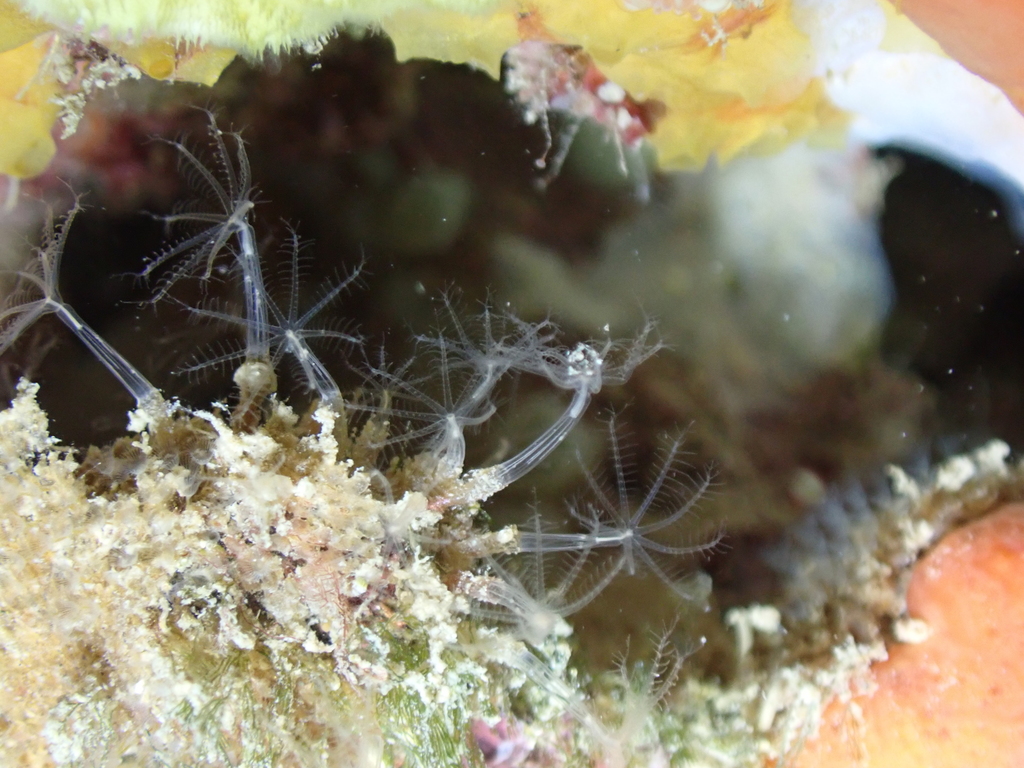
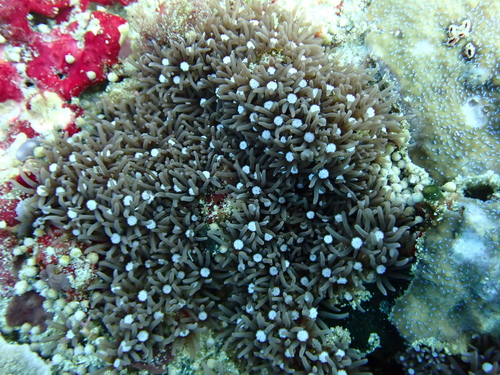
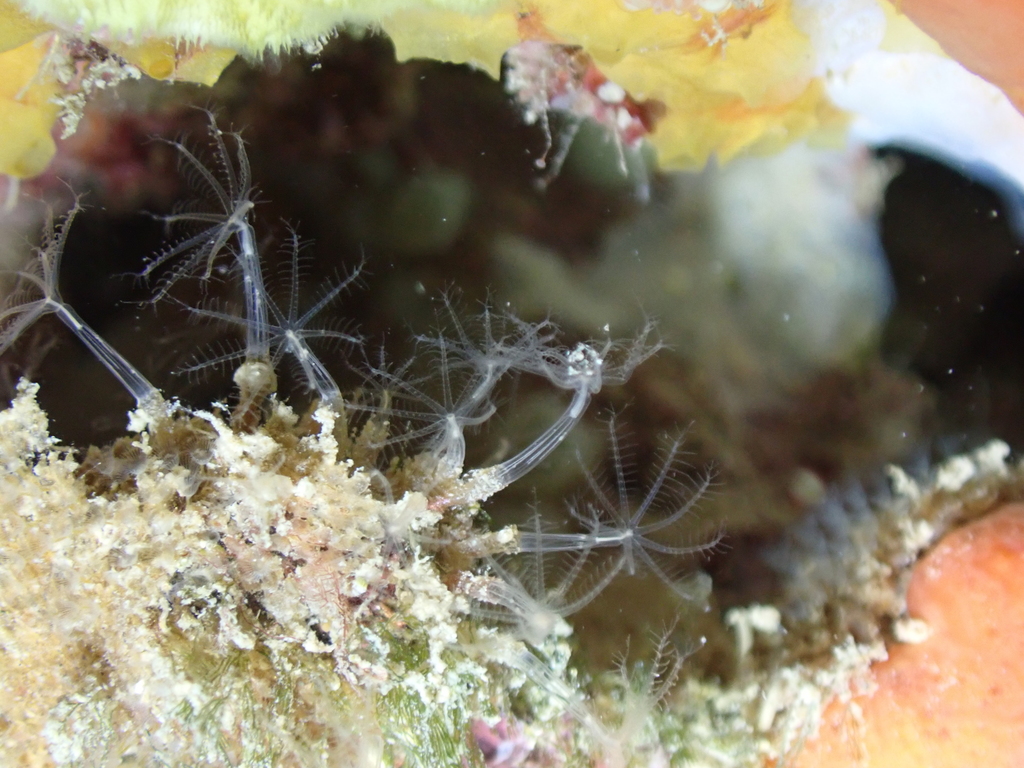
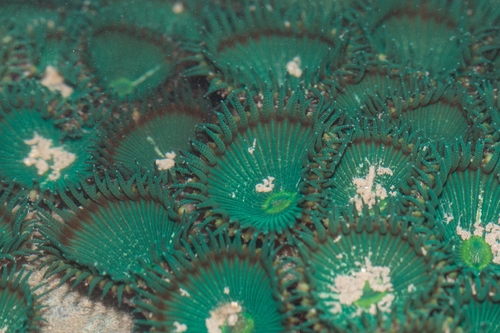
Brighten up your aquarium with the vibrant Yellow Sand Polyps, a stunning coral species.
Pricing for Verified Importers
Log in to see wholesale prices and order.
Origin
Indo-Pacific
Temperature
24.0–28.0°C
Min. Tank Size
100 L
Salinity
1.020–1.025 ppt
pH
8.10–8.40
The Yellow Sand Polyps, scientifically known as Zoanthus Spec, are a captivating species of soft coral that thrive in the warm waters of the Indo-Pacific region. These corals are characterized by their bright yellow coloration, which provides a striking contrast against the blue backdrop of marine environments. They often form large colonies, creating a visually appealing display in both natural and aquarium settings. In addition to their aesthetic value, Yellow Sand Polyps play a vital role in the marine ecosystem by providing habitat and shelter for various marine organisms.
In terms of behavior, Yellow Sand Polyps are known for their resilience and adaptability. They can tolerate a range of environmental conditions, making them suitable for various aquarium setups. These corals exhibit a unique feeding strategy, utilizing both photosynthesis through their symbiotic zooxanthellae and capturing planktonic food particles from the water column, ensuring their health and growth in aquarium environments.
Yellow Sand Polyps are typically found in sandy substrates, often in shallow water environments where they can receive adequate light. They prefer to attach themselves to stable surfaces, allowing them to expand and form dense colonies. Their natural habitat often includes coral reefs, where they contribute to the overall biodiversity and health of the ecosystem. By replicating these conditions in an aquarium, hobbyists can enjoy the beauty and ecological benefits of this species.
Overall, the Yellow Sand Polyps are not only a stunning addition to any marine aquarium but also serve as a reminder of the importance of conserving coral reefs and their diverse inhabitants. Their vibrant colors and unique behaviors make them a favorite among aquarium enthusiasts and a valuable species for wholesale export.
In terms of behavior, Yellow Sand Polyps are known for their resilience and adaptability. They can tolerate a range of environmental conditions, making them suitable for various aquarium setups. These corals exhibit a unique feeding strategy, utilizing both photosynthesis through their symbiotic zooxanthellae and capturing planktonic food particles from the water column, ensuring their health and growth in aquarium environments.
Yellow Sand Polyps are typically found in sandy substrates, often in shallow water environments where they can receive adequate light. They prefer to attach themselves to stable surfaces, allowing them to expand and form dense colonies. Their natural habitat often includes coral reefs, where they contribute to the overall biodiversity and health of the ecosystem. By replicating these conditions in an aquarium, hobbyists can enjoy the beauty and ecological benefits of this species.
Overall, the Yellow Sand Polyps are not only a stunning addition to any marine aquarium but also serve as a reminder of the importance of conserving coral reefs and their diverse inhabitants. Their vibrant colors and unique behaviors make them a favorite among aquarium enthusiasts and a valuable species for wholesale export.
To ensure the health and longevity of Yellow Sand Polyps, maintaining optimal water parameters is crucial. Ideal conditions include a temperature range of 24-28°C, salinity between 1.020 and 1.025 ppt, and a pH level between 8.1 and 8.4. Regular water changes and proper filtration are essential to keep the environment stable. Yellow Sand Polyps benefit from moderate lighting and should be placed where they receive indirect light to prevent bleaching.
Feeding Yellow Sand Polyps is relatively easy, as they are photosynthetic and can derive energy from light. However, supplementing their diet with finely crushed marine foods or zooplankton several times a week will promote optimal growth and color. When introducing these corals into an aquarium, acclimation is vital. Gradually introduce them to the new environment over several hours to reduce stress and shock.
Compatibility is also an important consideration. Yellow Sand Polyps generally coexist well with a variety of fish and invertebrates, though caution should be exercised with aggressive species that may harm or outcompete them for space. Quarantine new arrivals for at least two weeks to prevent the introduction of diseases into the main tank, ensuring a healthy environment for all inhabitants.
Feeding Yellow Sand Polyps is relatively easy, as they are photosynthetic and can derive energy from light. However, supplementing their diet with finely crushed marine foods or zooplankton several times a week will promote optimal growth and color. When introducing these corals into an aquarium, acclimation is vital. Gradually introduce them to the new environment over several hours to reduce stress and shock.
Compatibility is also an important consideration. Yellow Sand Polyps generally coexist well with a variety of fish and invertebrates, though caution should be exercised with aggressive species that may harm or outcompete them for space. Quarantine new arrivals for at least two weeks to prevent the introduction of diseases into the main tank, ensuring a healthy environment for all inhabitants.
Yellow Sand Polyps are suitable for shipping due to their hardiness, but careful packing is essential to minimize stress. Use insulated boxes and appropriate temperature control measures to maintain a stable environment during transit. Packing density should be moderate to avoid damage. These corals are sensitive to extreme temperatures; thus, shipping should occur when temperatures are stable and within the recommended range. Yellow Sand Polyps are not listed under CITES, simplifying the export process.
Species Parameters
Origin
Indo-Pacific
Temp Min
24.0 °C
Temp Max
28.0 °C
Salinity Min
1.020
Salinity Max
1.025
pH Min
8.10
pH Max
8.40
Min Tank
100 L