CITES App. II
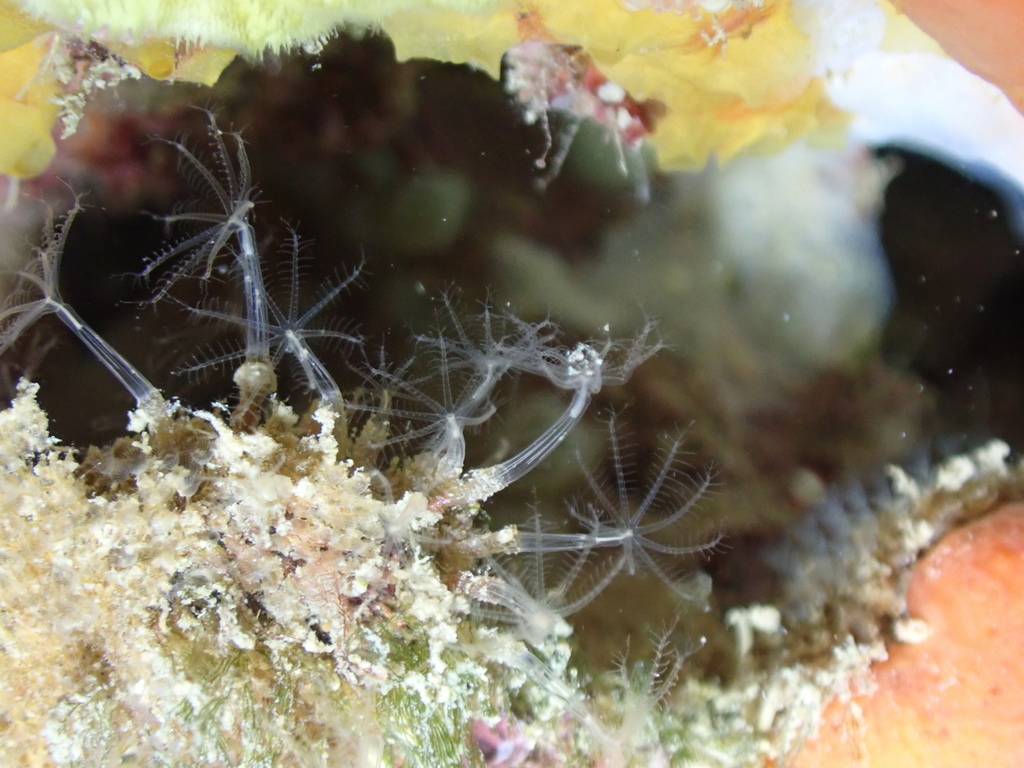
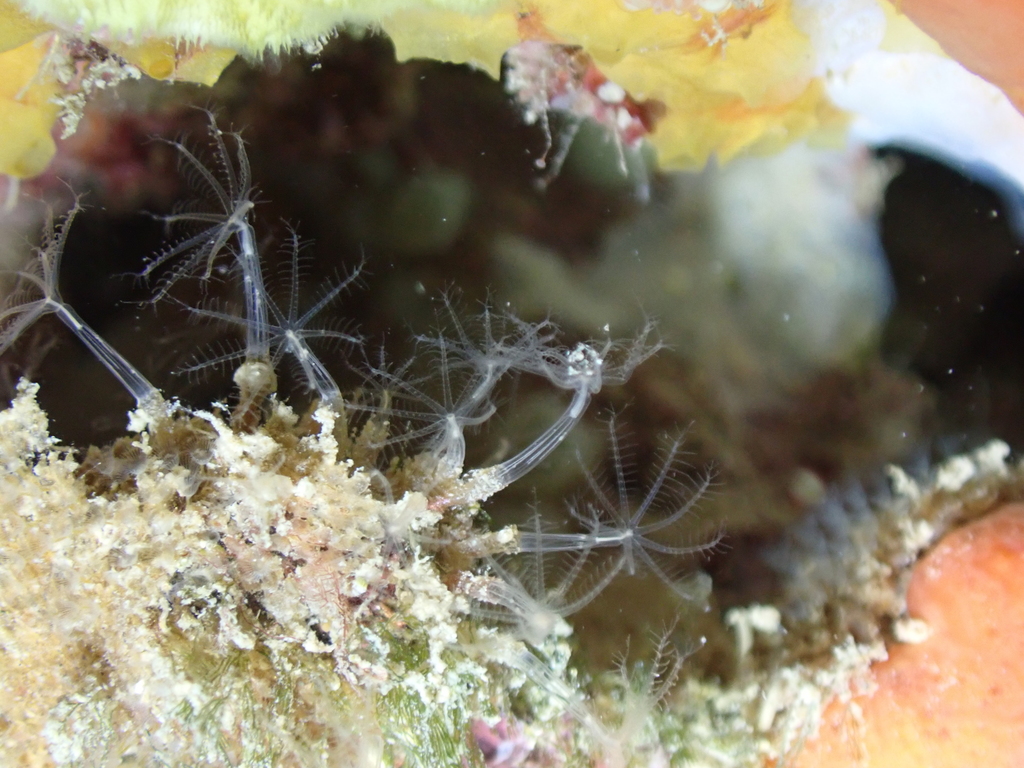
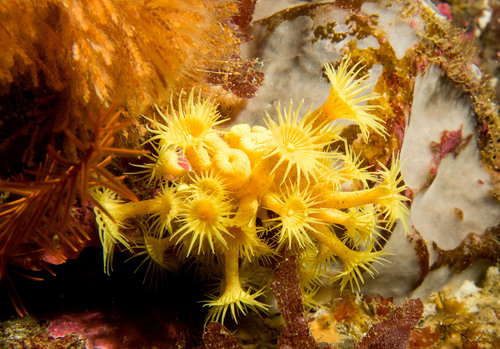
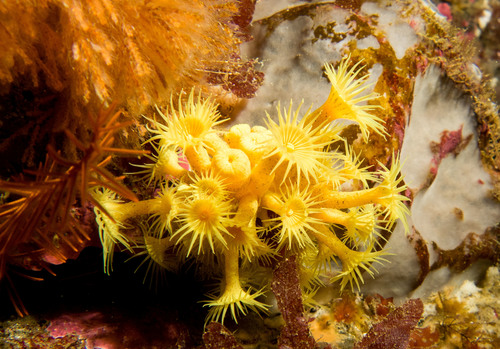
Sand polyp Green Metalic
Parazoanthus spp.
In Stock
Common stock
Aquacultured
Easy care
Reef Safe ✓
SKU: CRPARAsandp3
The Sand Polyp Green Metallic (Parazoanthus spp.) dazzles with its vibrant coloration and unique structure.
Pricing for Verified Importers
Log in to see wholesale prices and order.
Export Size
up to 5.0 cm
Origin
Southeast Asia
Temperature
24.0–28.0°C
Min. Tank Size
100 L
Salinity
1.023–1.025 ppt
pH
8.10–8.40
The Sand Polyp Green Metallic, belonging to the genus Parazoanthus, is a captivating coral species native to the rich marine environments of Southeast Asia, specifically thriving in the vibrant coral reefs of Bali, Indonesia. This species is recognized for its striking green metallic color, which can create an eye-catching display in any aquarium setting. The polyps are small, typically measuring only a few centimeters across, yet their vivid hues and intricate patterns add a stunning visual element to reef tanks.
In terms of natural history, Sand Polyps are typically found in intertidal zones and shallow waters where they can attach to sandy substrates or rock surfaces. They exhibit a colonial growth form, meaning they can form extensive mats of interconnected polyps that enhance their resilience and survival in fluctuating environmental conditions. These corals possess a symbiotic relationship with zooxanthellae, photosynthetic algae that live within their tissues, allowing them to derive energy from sunlight, which is essential for their growth and vibrant colors.
Behaviorally, Sand Polyps are known for their ability to retract their polyps into their base during low light conditions or when disturbed, providing them protection from predators. They are generally peaceful and can coexist well with other corals and marine life, making them suitable for community reef tanks. Their feeding habits are primarily photosynthetic, but they can also benefit from supplemental feeding with small plankton or coral food.
This species thrives in stable environments where water quality and parameters are carefully monitored. Sand Polyp Green Metallics prefer well-lit aquariums with moderate to strong water movement, which helps in the distribution of nutrients and the removal of waste. Their natural habitat consists of diverse reef systems, which underscores the importance of replicating such conditions in home aquariums for optimal health and growth.
In terms of natural history, Sand Polyps are typically found in intertidal zones and shallow waters where they can attach to sandy substrates or rock surfaces. They exhibit a colonial growth form, meaning they can form extensive mats of interconnected polyps that enhance their resilience and survival in fluctuating environmental conditions. These corals possess a symbiotic relationship with zooxanthellae, photosynthetic algae that live within their tissues, allowing them to derive energy from sunlight, which is essential for their growth and vibrant colors.
Behaviorally, Sand Polyps are known for their ability to retract their polyps into their base during low light conditions or when disturbed, providing them protection from predators. They are generally peaceful and can coexist well with other corals and marine life, making them suitable for community reef tanks. Their feeding habits are primarily photosynthetic, but they can also benefit from supplemental feeding with small plankton or coral food.
This species thrives in stable environments where water quality and parameters are carefully monitored. Sand Polyp Green Metallics prefer well-lit aquariums with moderate to strong water movement, which helps in the distribution of nutrients and the removal of waste. Their natural habitat consists of diverse reef systems, which underscores the importance of replicating such conditions in home aquariums for optimal health and growth.
To ensure the health and longevity of Sand Polyp Green Metallics, maintaining appropriate water parameters is crucial. Ideal temperature ranges from 24°C to 28°C, with a salinity level of 1.023 to 1.025 ppt. pH levels should be maintained between 8.1 and 8.4. Regular monitoring of these parameters will help mitigate stress and promote vibrant coloration.
Feeding Sand Polyps primarily involves ensuring they receive adequate light for their photosynthetic processes. However, supplementing their diet with small zooplankton or specialized coral foods can enhance their growth and vitality. It is recommended to feed them 1-2 times a week, depending on the tank's nutrient levels.
When introducing Sand Polyps to a new aquarium, a gradual acclimation process is essential. Float the coral in the tank for about 15-20 minutes, allowing the temperature to equalize, followed by introducing small amounts of tank water to the shipping bag over an hour. This helps prevent shock.
In terms of compatibility, Sand Polyps are generally non-aggressive and can be housed with a variety of corals and fish. However, caution should be exercised with more aggressive species that may compete for space or resources. Quarantine new arrivals for at least two weeks to monitor for any signs of disease before introducing them to the main display tank.
Feeding Sand Polyps primarily involves ensuring they receive adequate light for their photosynthetic processes. However, supplementing their diet with small zooplankton or specialized coral foods can enhance their growth and vitality. It is recommended to feed them 1-2 times a week, depending on the tank's nutrient levels.
When introducing Sand Polyps to a new aquarium, a gradual acclimation process is essential. Float the coral in the tank for about 15-20 minutes, allowing the temperature to equalize, followed by introducing small amounts of tank water to the shipping bag over an hour. This helps prevent shock.
In terms of compatibility, Sand Polyps are generally non-aggressive and can be housed with a variety of corals and fish. However, caution should be exercised with more aggressive species that may compete for space or resources. Quarantine new arrivals for at least two weeks to monitor for any signs of disease before introducing them to the main display tank.
Sand Polyp Green Metallics are suitable for shipping, provided they are packed securely to prevent damage during transit. The recommended packing density is one polyp per small container to ensure adequate space and water circulation. These corals are sensitive to temperature fluctuations, so shipping should ideally occur within a temperature range of 20°C to 25°C. As a CITES-listed species, compliance with relevant export regulations is required to ensure sustainable trading practices.
Species Parameters
Max Adult Size
5.0 cm
Origin
Southeast Asia
Habitat
reef
Temp Min
24.0 °C
Temp Max
28.0 °C
Salinity Min
1.023
Salinity Max
1.025
pH Min
8.10
pH Max
8.40
Min Tank
100 L