CITES App. II
Red Chalice Coral
Echinophyllia sp.
In Stock
Common stock
Maricultured
Experienced care
Reef Safe ✓
SKU: CB-HC-0180
The Red Chalice Coral captivates with its vibrant hues and unique structure, making it a prized addition for reef enthusiasts.
Pricing for Verified Importers
Log in to see wholesale prices and order.
Export Size
up to 30.0 cm
Origin
Coral Triangle
Temperature
24.0–28.0°C
Min. Tank Size
100 L
Salinity
1.023–1.025 ppt
pH
8.10–8.40
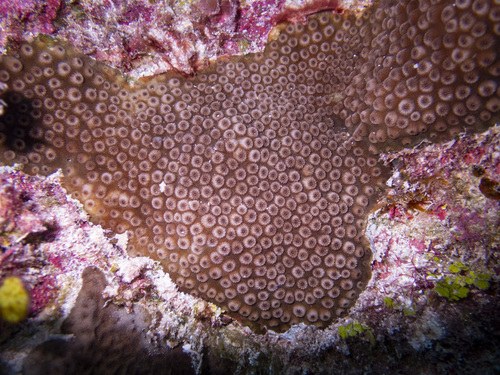
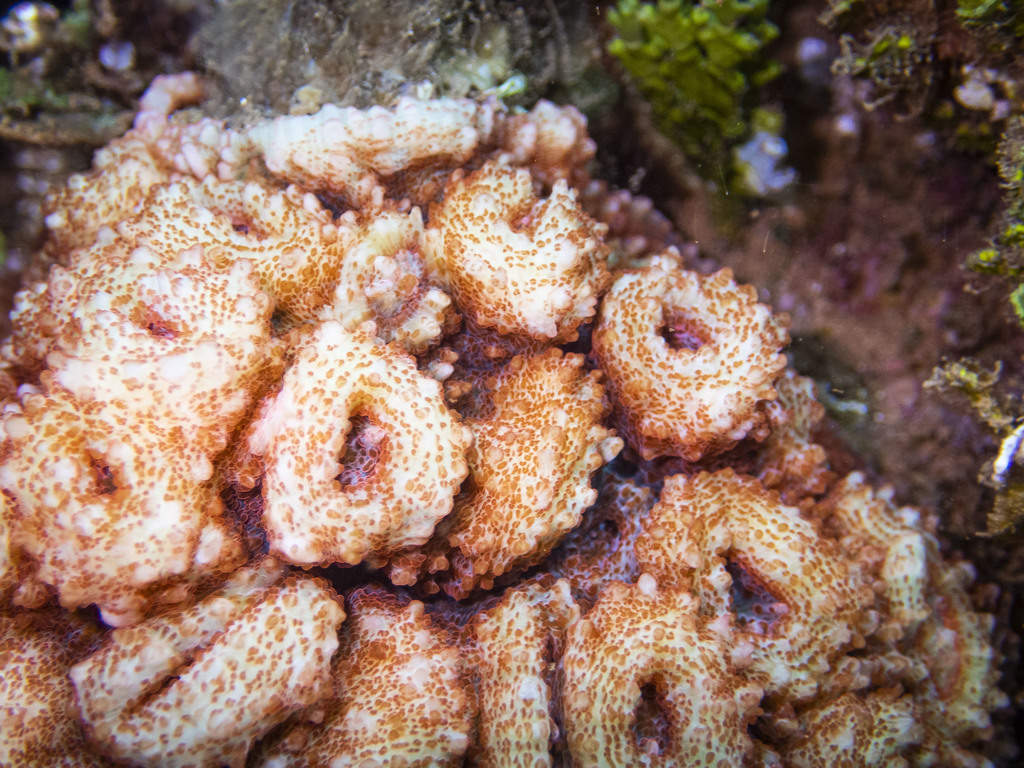
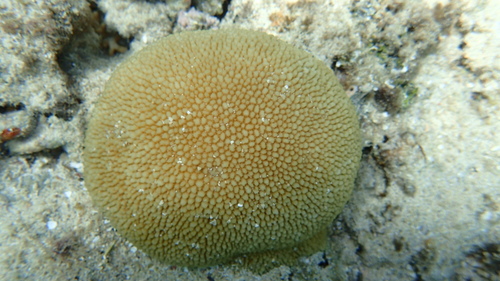
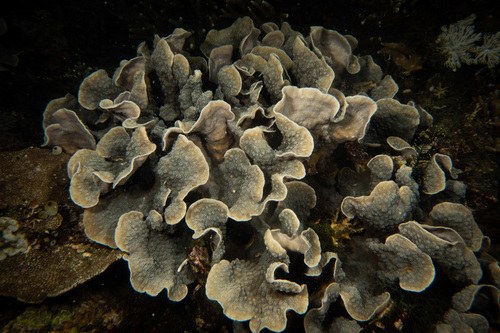
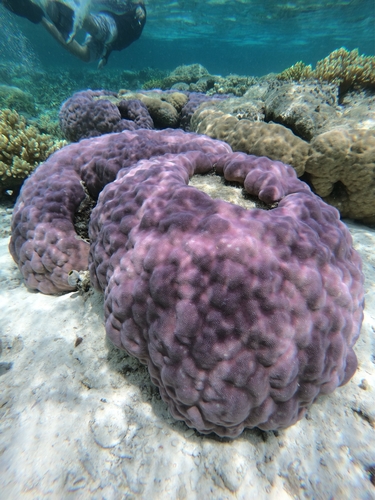
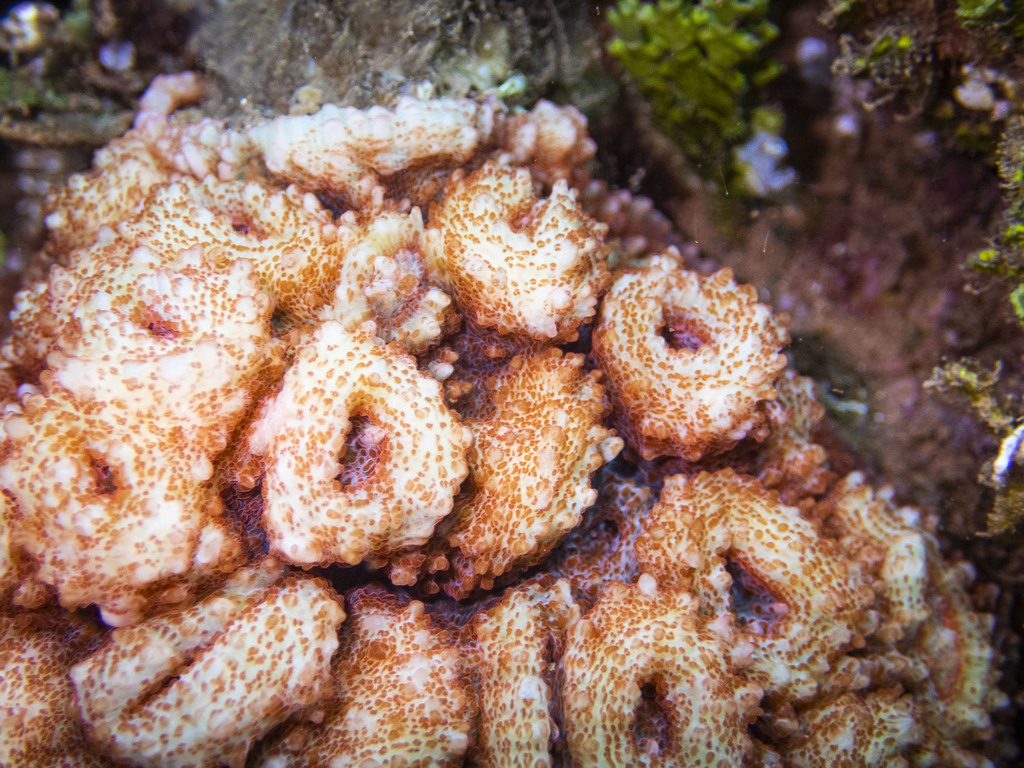
The Red Chalice Coral (Echinophyllia sp.) is a captivating species native to the warm waters of the Coral Triangle, particularly found in the reefs of Bali, Indonesia. This coral exhibits a stunning array of colors, predominantly showcasing vivid red and orange tones, which can shift under varying lighting conditions. Its structure consists of a thick, fleshy tissue covering a calcium carbonate skeleton, giving it a unique, chalice-like appearance that adds depth and dimension to any aquarium setup.
In terms of natural history, Echinophyllia sp. thrives in shallow reef environments, often found in areas with moderate to strong water movement. This species is known for its robust growth patterns, as it can expand significantly when conditions are ideal. The Red Chalice Coral has a symbiotic relationship with zooxanthellae, microscopic algae that live within its tissues, allowing it to derive energy from sunlight while also benefiting from the nutrients produced by the coral.
Behaviorally, the Red Chalice Coral displays a fascinating retraction response when disturbed, pulling its polyps back into the skeleton for protection. This species is generally peaceful, making it compatible with a range of tank mates, though care should be taken with aggressive corals that may compete for space and light. Its unique structure also provides hiding spots for small fish and invertebrates, promoting a biodiverse ecosystem within the aquarium.
In its natural habitat, the Red Chalice Coral plays a vital role in reef health and stability, serving as a food source for various marine organisms and contributing to the overall biodiversity of coral ecosystems. Its vibrant colors and unique morphology make it an essential choice for aquarium enthusiasts looking to create a stunning reef display.
In terms of natural history, Echinophyllia sp. thrives in shallow reef environments, often found in areas with moderate to strong water movement. This species is known for its robust growth patterns, as it can expand significantly when conditions are ideal. The Red Chalice Coral has a symbiotic relationship with zooxanthellae, microscopic algae that live within its tissues, allowing it to derive energy from sunlight while also benefiting from the nutrients produced by the coral.
Behaviorally, the Red Chalice Coral displays a fascinating retraction response when disturbed, pulling its polyps back into the skeleton for protection. This species is generally peaceful, making it compatible with a range of tank mates, though care should be taken with aggressive corals that may compete for space and light. Its unique structure also provides hiding spots for small fish and invertebrates, promoting a biodiverse ecosystem within the aquarium.
In its natural habitat, the Red Chalice Coral plays a vital role in reef health and stability, serving as a food source for various marine organisms and contributing to the overall biodiversity of coral ecosystems. Its vibrant colors and unique morphology make it an essential choice for aquarium enthusiasts looking to create a stunning reef display.
To successfully care for the Red Chalice Coral, maintaining stable water parameters is crucial. Ideal temperature should range between 24°C to 28°C, with a salinity of 1.023 to 1.025 ppt. The pH should be kept between 8.1 and 8.4. Regular testing and adjustments are recommended to ensure optimal conditions.
Feeding this species can be accomplished through a combination of high-quality coral foods and occasional additions of finely chopped seafood or plankton. While the Red Chalice Coral primarily relies on photosynthesis via its symbiotic algae, supplemental feeding can enhance growth and color vibrancy. It is essential to monitor the coral's response to feeding and adjust accordingly.
In terms of compatibility, the Red Chalice Coral is best housed with peaceful tank mates. Avoid placing it near aggressive corals or fish that may harm its tissue. During the acclimation process, gradual introduction to the aquarium environment is vital. Use the drip acclimation method to minimize stress.
Quarantine new arrivals for at least two weeks before introducing them to the main tank to prevent potential disease transmission. Observing the coral for signs of stress or disease during this period can help ensure a healthy addition to your reef setup.
Feeding this species can be accomplished through a combination of high-quality coral foods and occasional additions of finely chopped seafood or plankton. While the Red Chalice Coral primarily relies on photosynthesis via its symbiotic algae, supplemental feeding can enhance growth and color vibrancy. It is essential to monitor the coral's response to feeding and adjust accordingly.
In terms of compatibility, the Red Chalice Coral is best housed with peaceful tank mates. Avoid placing it near aggressive corals or fish that may harm its tissue. During the acclimation process, gradual introduction to the aquarium environment is vital. Use the drip acclimation method to minimize stress.
Quarantine new arrivals for at least two weeks before introducing them to the main tank to prevent potential disease transmission. Observing the coral for signs of stress or disease during this period can help ensure a healthy addition to your reef setup.
The Red Chalice Coral is suitable for shipping, provided it is packed securely to minimize movement and damage. Optimal packing density should ensure sufficient water circulation around the coral. Temperature sensitivity is a consideration; shipping should occur within a temperature range of 20°C to 25°C. This species is not listed under CITES, making it easier to export without additional paperwork.
Species Parameters
Max Adult Size
30.0 cm
Origin
Coral Triangle
Temp Min
24.0 °C
Temp Max
28.0 °C
Salinity Min
1.023
Salinity Max
1.025
pH Min
8.10
pH Max
8.40
Min Tank
100 L