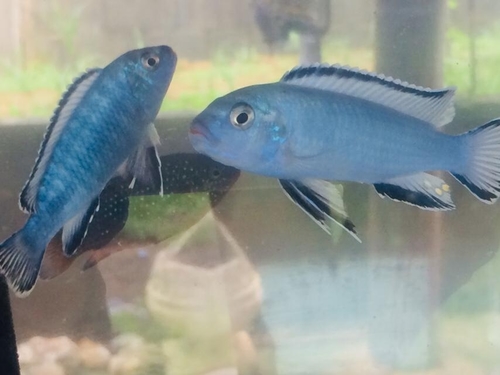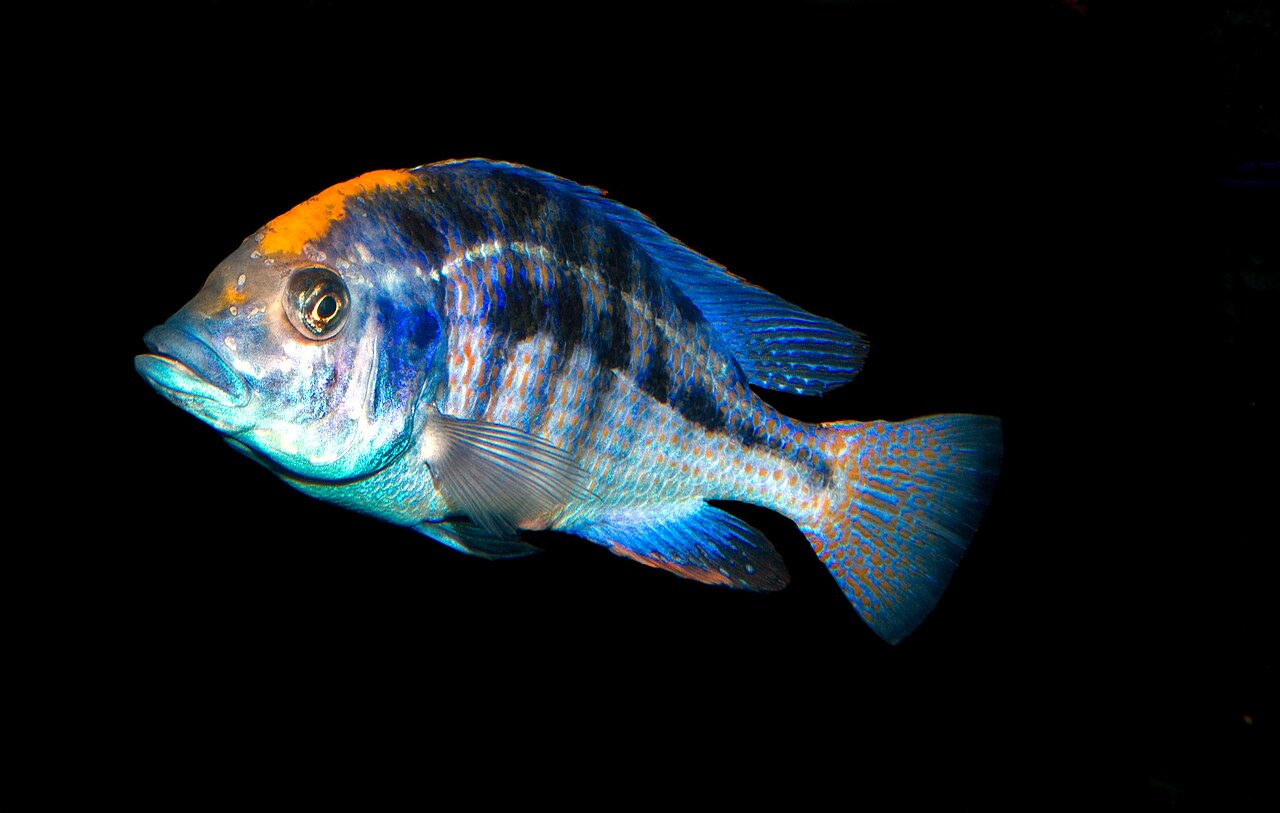
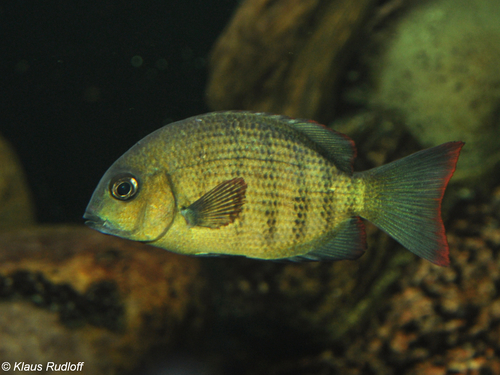
Pin Stripe Damba Cichlids
Paretroplus menarambo
In Stock
Common stock
Wild Caught
Moderate care
Not Reef Safe
SKU: 01-A-02-093-01
Discover the stunning Pin Stripe Damba Cichlids, a unique freshwater gem from Bali.
Pricing for Verified Importers
Log in to see wholesale prices and order.
Export Size
up to 15.0 cm
Origin
Southeast Asia
Temperature
24.0–28.0°C
Min. Tank Size
200 L
pH
6.50–7.50
Diet
omnivore
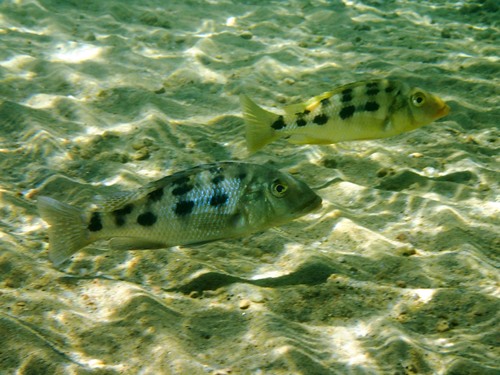
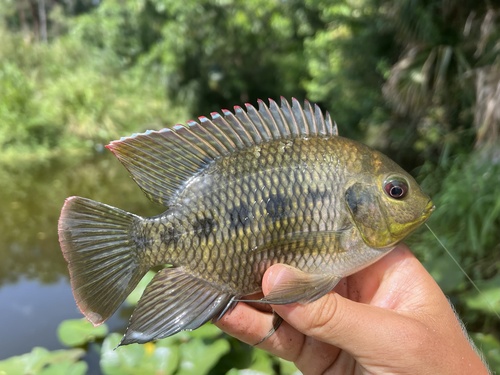
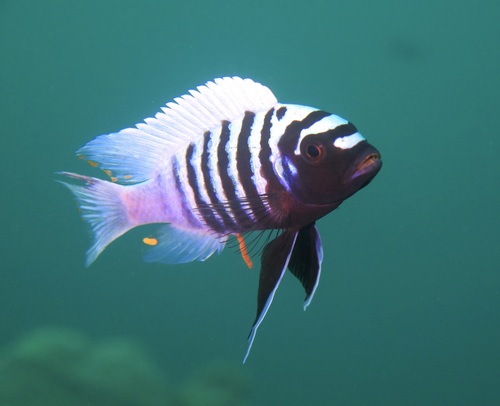
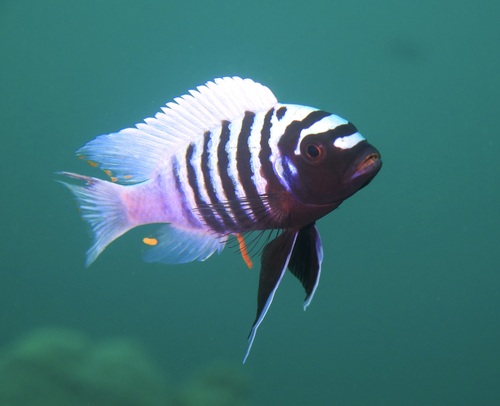
The Pin Stripe Damba Cichlid (Paretroplus menarambo) is a captivating species native to the rivers and lakes of Madagascar, with its striking pattern and vibrant colors making it a prized addition to aquariums. These fish are known for their distinctive pinstripe patterns that run vertically along their bodies, providing an eye-catching visual appeal. Their natural habitat consists of freshwater environments with plenty of submerged vegetation, where they find refuge and breeding grounds.
In terms of behavior, Pin Stripe Damba Cichlids are semi-aggressive, especially during breeding seasons. They exhibit territorial behaviors, which can lead to conflicts with other fish if not properly managed. Despite their aggressive tendencies, they can coexist with other species if provided ample space and hiding spots within the aquarium. Their social nature makes them interesting to observe, as they engage in various interactions among themselves and with tank mates.
These cichlids thrive in well-maintained, stable environments, which mimic their natural habitat. In the wild, they are often found in slow-flowing waters rich in organic material and vegetation. This affinity for their native ecosystem translates to their needs in captivity, where they require a well-planted aquarium with plenty of hiding spots and open swimming areas. Their vibrant coloration can be enhanced with proper lighting and a suitable substrate that resembles their natural environment.
The Pin Stripe Damba Cichlid is not just visually stunning; it also showcases a fascinating behavior of nesting and parental care. Breeding pairs display intricate courtship rituals, making them a delightful spectacle for aquatic enthusiasts. Overall, these cichlids are a remarkable addition to any freshwater aquarium, combining beauty with intriguing behavioral traits.
In terms of behavior, Pin Stripe Damba Cichlids are semi-aggressive, especially during breeding seasons. They exhibit territorial behaviors, which can lead to conflicts with other fish if not properly managed. Despite their aggressive tendencies, they can coexist with other species if provided ample space and hiding spots within the aquarium. Their social nature makes them interesting to observe, as they engage in various interactions among themselves and with tank mates.
These cichlids thrive in well-maintained, stable environments, which mimic their natural habitat. In the wild, they are often found in slow-flowing waters rich in organic material and vegetation. This affinity for their native ecosystem translates to their needs in captivity, where they require a well-planted aquarium with plenty of hiding spots and open swimming areas. Their vibrant coloration can be enhanced with proper lighting and a suitable substrate that resembles their natural environment.
The Pin Stripe Damba Cichlid is not just visually stunning; it also showcases a fascinating behavior of nesting and parental care. Breeding pairs display intricate courtship rituals, making them a delightful spectacle for aquatic enthusiasts. Overall, these cichlids are a remarkable addition to any freshwater aquarium, combining beauty with intriguing behavioral traits.
For optimal care of Pin Stripe Damba Cichlids, maintaining stable water parameters is crucial. The ideal temperature range is between 24°C and 28°C, with a pH level between 6.5 and 7.5. Regular water changes and filtration are essential to keep the environment clean and healthy. A minimum tank size of 200 liters is recommended to accommodate their territorial nature.
Feeding should consist of a varied diet, including high-quality pellets, frozen or live foods such as brine shrimp, and vegetable matter to ensure balanced nutrition. It is important to monitor their feeding habits closely, as overfeeding can lead to health issues. Compatibility is key; these cichlids do best with similarly sized fish that can withstand their territorial behavior, avoiding smaller or overly passive species.
Acclimation should be done gradually to reduce stress. Introduce them to a new environment slowly, allowing them to adjust to the temperature and water conditions. Quarantining newly acquired fish for at least two weeks before adding them to the main tank is highly recommended to prevent the introduction of diseases. Regular monitoring for signs of illness will help maintain a healthy aquarium population.
Feeding should consist of a varied diet, including high-quality pellets, frozen or live foods such as brine shrimp, and vegetable matter to ensure balanced nutrition. It is important to monitor their feeding habits closely, as overfeeding can lead to health issues. Compatibility is key; these cichlids do best with similarly sized fish that can withstand their territorial behavior, avoiding smaller or overly passive species.
Acclimation should be done gradually to reduce stress. Introduce them to a new environment slowly, allowing them to adjust to the temperature and water conditions. Quarantining newly acquired fish for at least two weeks before adding them to the main tank is highly recommended to prevent the introduction of diseases. Regular monitoring for signs of illness will help maintain a healthy aquarium population.
Pin Stripe Damba Cichlids are sensitive to temperature fluctuations; therefore, it is crucial to maintain a stable shipping environment between 24°C and 28°C. They should be packed in insulated containers with adequate oxygen supply and minimal water to reduce stress during transport. A packing density of 1-2 fish per liter is recommended for optimal comfort. This species is not listed under CITES, making it easier for export. Ensure compliance with local regulations during shipping.
Species Parameters
Max Adult Size
15.0 cm
Origin
Southeast Asia
Diet
omnivore
Temp Min
24.0 °C
Temp Max
28.0 °C
pH Min
6.50
pH Max
7.50
Min Tank
200 L