White Arm Red Carnaval Crab
Geosesarma aristocratoensis
In Stock
Common stock
Wild Caught
Moderate care
Not Reef Safe
SKU: 01-F-01-057-20
Discover the vibrant White Arm Red Carnaval Crab, a freshwater marvel from Bali.
Pricing for Verified Importers
Log in to see wholesale prices and order.
Export Size
up to 6.0 cm
Origin
Southeast Asia
Temperature
22.0–28.0°C
Min. Tank Size
30 L
pH
6.50–7.50
Diet
omnivore
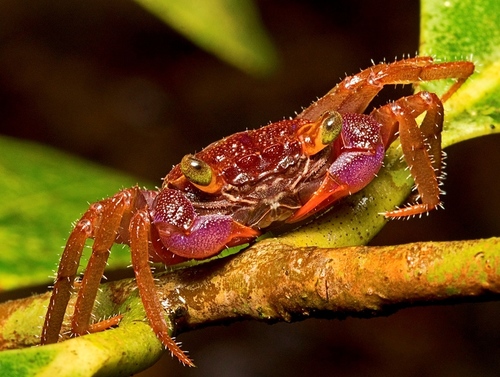
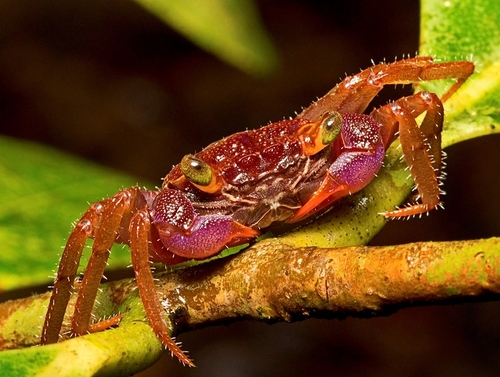
The White Arm Red Carnaval Crab (Geosesarma aristocratoensis) is a striking freshwater crab native to the lush wetlands of Bali, Indonesia. Known for its vivid red and white coloration, this species captivates aquarists with its unique appearance and lively behavior. These crabs are often found in dense vegetation near slow-moving waters, where they thrive in their natural habitat, displaying an array of intriguing behaviors that make them a favorite among aquarium enthusiasts.
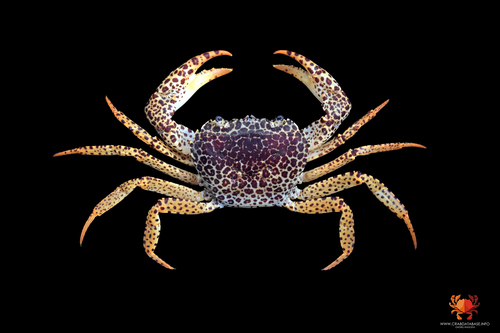
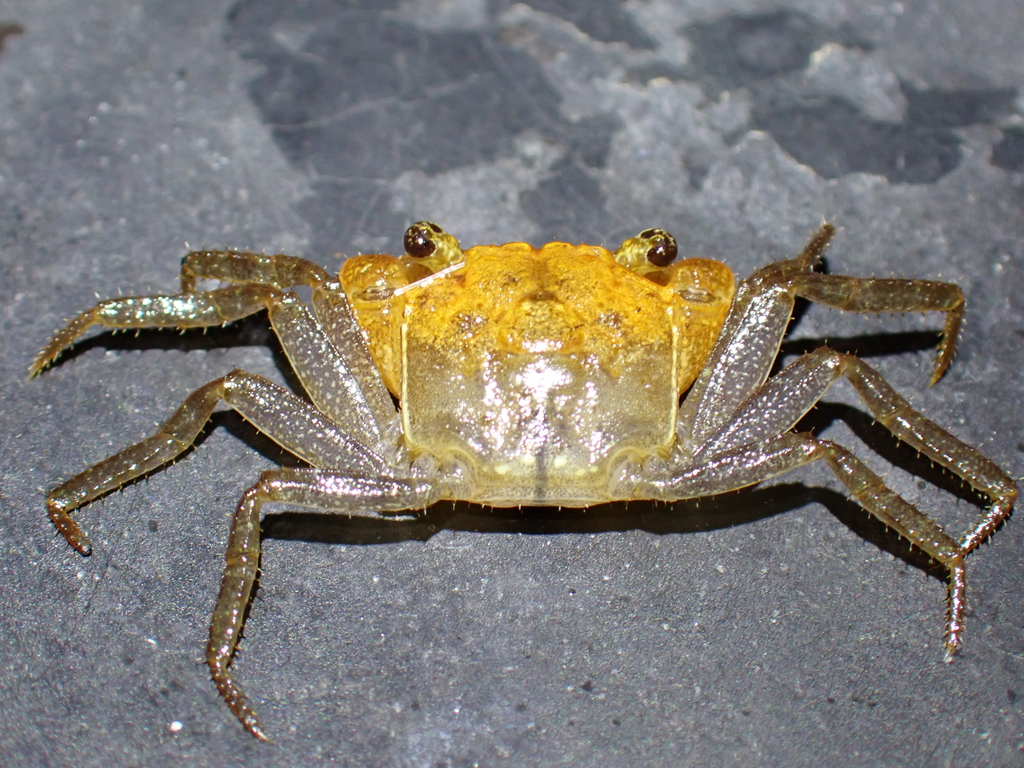
In terms of physical attributes, the White Arm Red Carnaval Crab showcases a striking contrast of bright red claws and white arms, making it a visually appealing addition to any freshwater aquarium. Adult crabs can reach a size of up to 6 cm, and their small stature, combined with their vibrant coloration, makes them stand out in both community tanks and species-specific setups. Their playful nature adds an element of dynamism to the tank environment, as they scuttle about searching for food and exploring their surroundings.
Behaviorally, these crabs are semi-terrestrial and require access to both water and land within their aquarium setup. They exhibit a range of social behaviors, often engaging in territorial displays and interactions with tank mates. This species is best kept in groups, allowing for natural social dynamics to unfold while ensuring that they have enough space to establish territories. Proper tank decor, including hiding spots and climbing structures, is essential for their well-being and to reduce stress levels.
The White Arm Red Carnaval Crab prefers clean, well-filtered water with ample vegetation, which mimics their natural habitat. Their adaptability to varied environments makes them a resilient species, capable of thriving in a well-maintained aquarium. However, attention must be paid to their specific habitat needs to ensure their health and longevity in captivity.
In terms of physical attributes, the White Arm Red Carnaval Crab showcases a striking contrast of bright red claws and white arms, making it a visually appealing addition to any freshwater aquarium. Adult crabs can reach a size of up to 6 cm, and their small stature, combined with their vibrant coloration, makes them stand out in both community tanks and species-specific setups. Their playful nature adds an element of dynamism to the tank environment, as they scuttle about searching for food and exploring their surroundings.
Behaviorally, these crabs are semi-terrestrial and require access to both water and land within their aquarium setup. They exhibit a range of social behaviors, often engaging in territorial displays and interactions with tank mates. This species is best kept in groups, allowing for natural social dynamics to unfold while ensuring that they have enough space to establish territories. Proper tank decor, including hiding spots and climbing structures, is essential for their well-being and to reduce stress levels.
The White Arm Red Carnaval Crab prefers clean, well-filtered water with ample vegetation, which mimics their natural habitat. Their adaptability to varied environments makes them a resilient species, capable of thriving in a well-maintained aquarium. However, attention must be paid to their specific habitat needs to ensure their health and longevity in captivity.
The White Arm Red Carnaval Crab thrives in freshwater conditions, with a recommended temperature range of 22-28°C and a pH level between 6.5 and 7.5. It is crucial to maintain stable water parameters, as fluctuations can stress the crabs and affect their health. Regular water changes and a good filtration system will help keep the environment clean and conducive to their needs.
Feeding these crabs is relatively straightforward; they are omnivores and will accept a variety of foods, including high-quality commercial pellets, algae wafers, and blanched vegetables like zucchini and spinach. It's important to provide a varied diet to ensure they receive all necessary nutrients. Additionally, they enjoy scavenging, so live or frozen foods such as bloodworms can be offered as treats.
When introducing the White Arm Red Carnaval Crab to an aquarium, acclimation should be done gradually to minimize stress. It is advisable to use the drip acclimation method over several hours. Quarantine new arrivals for at least two weeks to monitor for any signs of disease before introducing them to the main tank. Compatibility with other species is generally good, but it’s best to avoid aggressive tank mates that may stress or harm the crabs. Small peaceful fish and other invertebrates make suitable companions, provided there are enough hiding spots available.
Feeding these crabs is relatively straightforward; they are omnivores and will accept a variety of foods, including high-quality commercial pellets, algae wafers, and blanched vegetables like zucchini and spinach. It's important to provide a varied diet to ensure they receive all necessary nutrients. Additionally, they enjoy scavenging, so live or frozen foods such as bloodworms can be offered as treats.
When introducing the White Arm Red Carnaval Crab to an aquarium, acclimation should be done gradually to minimize stress. It is advisable to use the drip acclimation method over several hours. Quarantine new arrivals for at least two weeks to monitor for any signs of disease before introducing them to the main tank. Compatibility with other species is generally good, but it’s best to avoid aggressive tank mates that may stress or harm the crabs. Small peaceful fish and other invertebrates make suitable companions, provided there are enough hiding spots available.
The White Arm Red Carnaval Crab is suitable for shipping, provided that proper care is taken to maintain optimal conditions during transit. Packing density should be moderate to ensure that each crab has enough space and air. It’s essential to keep the shipping temperature within the range of 22-26°C to avoid stress and potential fatalities. CITES status is not applicable as this species is not listed, allowing for easier export under standard regulations.
Species Parameters
Max Adult Size
6.0 cm
Origin
Southeast Asia
Diet
omnivore
Temp Min
22.0 °C
Temp Max
28.0 °C
pH Min
6.50
pH Max
7.50
Min Tank
30 L