Papua Blue Legs Crayfish
Cherax sp. blue Legs
Out of Stock
Scarce stock
Wild Caught
Moderate care
Not Reef Safe
SKU: 01-C-01-024-06
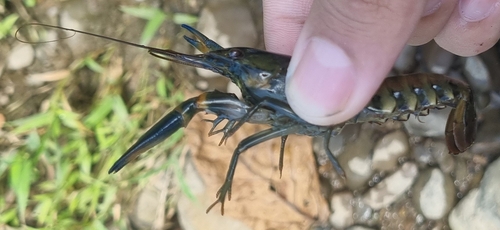
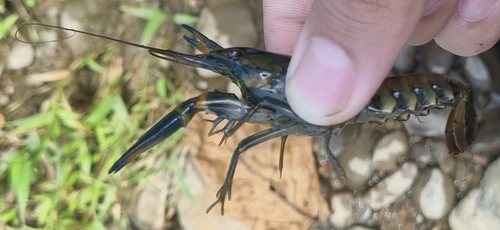
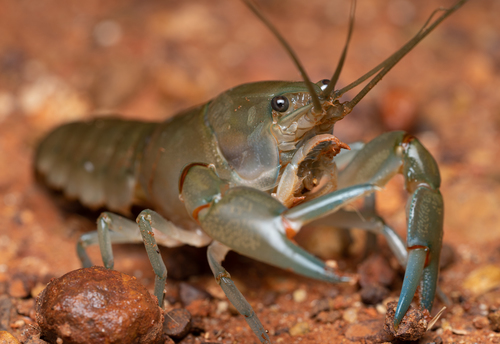
The Papua Blue Legs Crayfish stands out for its vibrant coloration and adaptability.
Pricing for Verified Importers
Log in to see wholesale prices and order.
Export Size
up to 15.0 cm
Origin
Southeast Asia
Temperature
22.0–28.0°C
Min. Tank Size
100 L
pH
6.50–8.00
Diet
omnivore
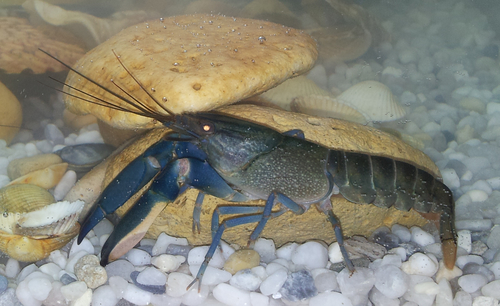
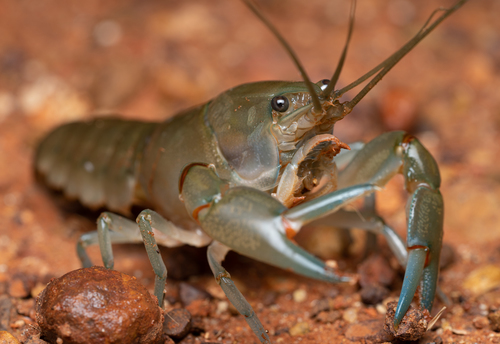
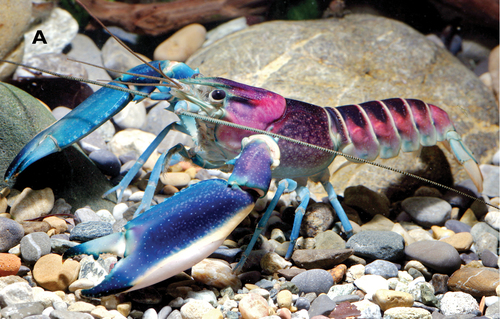
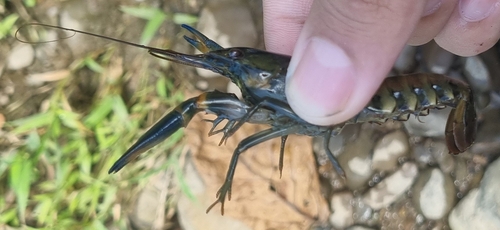
The Papua Blue Legs Crayfish (Cherax sp. blue Legs) is a striking freshwater invertebrate native to the lush waters of Papua New Guinea and the surrounding regions. This species is particularly noted for its brilliant blue legs, which provide a stunning contrast to its dark carapace, making it a popular choice among aquarium enthusiasts and wholesalers alike. Unlike many crayfish species, the Papua Blue Legs is not only visually appealing but also relatively hardy, making it suitable for various freshwater environments.
In terms of behavior, the Papua Blue Legs Crayfish is known for its inquisitive nature and territorial habits. These crayfish can often be seen exploring their surroundings, utilizing their strong pincers to manipulate objects and forage for food. They are primarily nocturnal, becoming more active during the evening when they venture out to hunt and scavenge. Their natural habitat consists of slow-moving freshwater bodies like rivers and lakes, where they seek refuge under rocks and within dense vegetation, providing them with both food and protection from predators.
This species plays a crucial role in its ecosystem, contributing to the health of aquatic environments by helping to break down decaying organic matter. Their presence supports a balanced food web, making them essential for maintaining biodiversity in their native habitats. As they thrive in varied water conditions, they have adapted well to both still and flowing waters, showcasing their resilience and versatility.
Aquarium keepers appreciate the Papua Blue Legs Crayfish not only for its beauty but also for its adaptability to different tank setups. However, it's essential to provide them with a suitable environment that mimics their natural habitat to ensure their health and longevity in captivity.
In terms of behavior, the Papua Blue Legs Crayfish is known for its inquisitive nature and territorial habits. These crayfish can often be seen exploring their surroundings, utilizing their strong pincers to manipulate objects and forage for food. They are primarily nocturnal, becoming more active during the evening when they venture out to hunt and scavenge. Their natural habitat consists of slow-moving freshwater bodies like rivers and lakes, where they seek refuge under rocks and within dense vegetation, providing them with both food and protection from predators.
This species plays a crucial role in its ecosystem, contributing to the health of aquatic environments by helping to break down decaying organic matter. Their presence supports a balanced food web, making them essential for maintaining biodiversity in their native habitats. As they thrive in varied water conditions, they have adapted well to both still and flowing waters, showcasing their resilience and versatility.
Aquarium keepers appreciate the Papua Blue Legs Crayfish not only for its beauty but also for its adaptability to different tank setups. However, it's essential to provide them with a suitable environment that mimics their natural habitat to ensure their health and longevity in captivity.
To successfully care for Papua Blue Legs Crayfish, it is crucial to maintain optimal water parameters. The ideal temperature range is between 22°C to 28°C, with a pH level between 6.5 and 8.0. These crayfish thrive in well-oxygenated freshwater with a minimum tank size of 100 liters to allow for their territorial behavior and to provide ample space for foraging. It is advisable to include hiding spots, such as rocks and driftwood, to reduce stress and promote natural behavior.
Feeding these crayfish is relatively straightforward, as they are omnivores. A balanced diet should include high-quality pellets, supplemented with fresh vegetables and protein sources such as shrimp or fish. Regular feeding, about 2-3 times a week, will ensure they receive adequate nutrition. Compatibility with other fish should be approached with caution; it's best to house them with larger, non-aggressive tank mates to prevent any territorial disputes.
Acclimation is essential when introducing Papua Blue Legs Crayfish to a new tank. Slowly acclimate them over a few hours by gradually introducing tank water to their transport water. A quarantine period of at least two weeks is recommended before adding them to a display tank to monitor for diseases and ensure their health. Regular water changes and maintaining a clean habitat will further enhance their well-being in captivity.
Feeding these crayfish is relatively straightforward, as they are omnivores. A balanced diet should include high-quality pellets, supplemented with fresh vegetables and protein sources such as shrimp or fish. Regular feeding, about 2-3 times a week, will ensure they receive adequate nutrition. Compatibility with other fish should be approached with caution; it's best to house them with larger, non-aggressive tank mates to prevent any territorial disputes.
Acclimation is essential when introducing Papua Blue Legs Crayfish to a new tank. Slowly acclimate them over a few hours by gradually introducing tank water to their transport water. A quarantine period of at least two weeks is recommended before adding them to a display tank to monitor for diseases and ensure their health. Regular water changes and maintaining a clean habitat will further enhance their well-being in captivity.
Papua Blue Legs Crayfish are suitable for shipping, provided they are packed securely to minimize stress during transit. A packing density of 1 crayfish per liter is recommended to ensure adequate space. They are sensitive to temperature fluctuations, so maintaining a stable environment between 22°C and 28°C during shipping is crucial. These crayfish are not listed under CITES, making export processes more straightforward.
Species Parameters
Max Adult Size
15.0 cm
Origin
Southeast Asia
Diet
omnivore
Temp Min
22.0 °C
Temp Max
28.0 °C
pH Min
6.50
pH Max
8.00
Min Tank
100 L