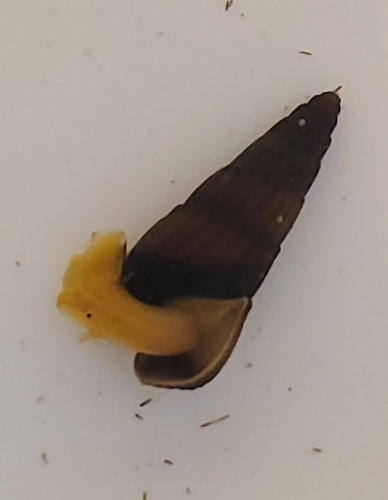
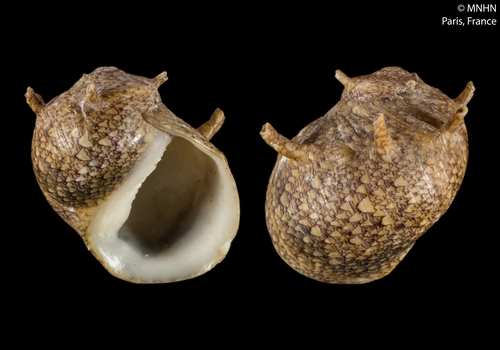
Sun Snail
Clithon donovani
In Stock
Common stock
Wild Caught
Moderate care
Not Reef Safe
SKU: 01-D-01-030-01
The Sun Snail (Clithon donovani) is a vibrant freshwater mollusk known for its striking shell patterns.
Pricing for Verified Importers
Log in to see wholesale prices and order.
Export Size
up to 3.0 cm
Origin
Southeast Asia
Temperature
22.0–28.0°C
Min. Tank Size
20 L
pH
6.50–7.50
Diet
herbivore
The Sun Snail, scientifically named Clithon donovani, is a captivating freshwater invertebrate native to the lush waters of Bali, Indonesia. This species is renowned for its unique and colorful shell, which features intricate patterns that not only serve as a form of camouflage but also make it a desirable addition to aquatic displays. With a maximum size of approximately 3 cm, the Sun Snail adds a touch of elegance and vibrancy to any aquarium setup.
In terms of natural history, the Sun Snail thrives in freshwater ecosystems where it often inhabits areas rich in aquatic vegetation. These snails are primarily herbivorous, feeding on algae and detritus, which makes them beneficial for maintaining tank cleanliness. Their behavior is relatively calm and passive, often seen slowly gliding across surfaces, using their specialized foot to adhere firmly to rocks and plants.
The habitat of the Sun Snail is typically characterized by slow-moving waters with ample plant life, providing both food and shelter. They prefer slightly acidic to neutral pH levels, which mimic their natural environment, making them suitable for a variety of freshwater setups. The Sun Snail is particularly popular among aquascapers due to its algae-eating habits, helping to control unwanted growth in tanks.
In summary, the Sun Snail is not only aesthetically pleasing but also plays a crucial role in the health of freshwater aquaria. Its unique attributes and peaceful nature make it an ideal choice for both novice and experienced aquarists alike.
In terms of natural history, the Sun Snail thrives in freshwater ecosystems where it often inhabits areas rich in aquatic vegetation. These snails are primarily herbivorous, feeding on algae and detritus, which makes them beneficial for maintaining tank cleanliness. Their behavior is relatively calm and passive, often seen slowly gliding across surfaces, using their specialized foot to adhere firmly to rocks and plants.
The habitat of the Sun Snail is typically characterized by slow-moving waters with ample plant life, providing both food and shelter. They prefer slightly acidic to neutral pH levels, which mimic their natural environment, making them suitable for a variety of freshwater setups. The Sun Snail is particularly popular among aquascapers due to its algae-eating habits, helping to control unwanted growth in tanks.
In summary, the Sun Snail is not only aesthetically pleasing but also plays a crucial role in the health of freshwater aquaria. Its unique attributes and peaceful nature make it an ideal choice for both novice and experienced aquarists alike.
When caring for the Sun Snail, it is essential to replicate their natural environment as closely as possible. Ideal water parameters include a temperature range of 22-28°C and a pH of 6.5-7.5. Regular water changes and a well-maintained filtration system will ensure optimal conditions for these snails.
Feeding the Sun Snail is straightforward; they thrive on a diet rich in algae and can be supplemented with blanched vegetables or commercial algae wafers. Compatibility is generally good, as they can coexist with a variety of peaceful fish and invertebrates, but it's best to avoid aggressive species that might disturb them.
Acclimation to a new tank should be gradual to minimize stress; floating the sealed bag in the tank for about 30 minutes before slowly introducing them to the water is recommended. Quarantine new arrivals for at least a week to monitor for any signs of disease and ensure they are healthy before adding them to your main tank.
Feeding the Sun Snail is straightforward; they thrive on a diet rich in algae and can be supplemented with blanched vegetables or commercial algae wafers. Compatibility is generally good, as they can coexist with a variety of peaceful fish and invertebrates, but it's best to avoid aggressive species that might disturb them.
Acclimation to a new tank should be gradual to minimize stress; floating the sealed bag in the tank for about 30 minutes before slowly introducing them to the water is recommended. Quarantine new arrivals for at least a week to monitor for any signs of disease and ensure they are healthy before adding them to your main tank.
The Sun Snail is well-suited for shipping, provided proper precautions are taken. It is recommended to pack them with sufficient moisture and in a well-ventilated container to minimize stress during transit. Maintaining a stable temperature between 20-25°C during shipping is crucial to their well-being. Currently, there are no specific CITES restrictions on Clithon donovani, making it easier for importers to source this species legally.
Species Parameters
Max Adult Size
3.0 cm
Origin
Southeast Asia
Diet
herbivore
Temp Min
22.0 °C
Temp Max
28.0 °C
pH Min
6.50
pH Max
7.50
Min Tank
20 L