Peppermint Pikehead
Luciocephalus aura
Out of Stock
Scarce stock
Wild Caught
Moderate care
Not Reef Safe
SKU: 01-A-34-115-07
Discover the vibrant Peppermint Pikehead, a unique freshwater gem from Sumatra.
Pricing for Verified Importers
Log in to see wholesale prices and order.
Export Size
up to 15.0 cm
Origin
Southeast Asia
Temperature
24.0–28.0°C
Min. Tank Size
150 L
pH
6.00–7.50
Diet
carnivore
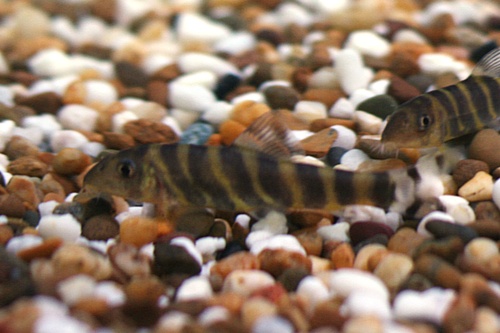
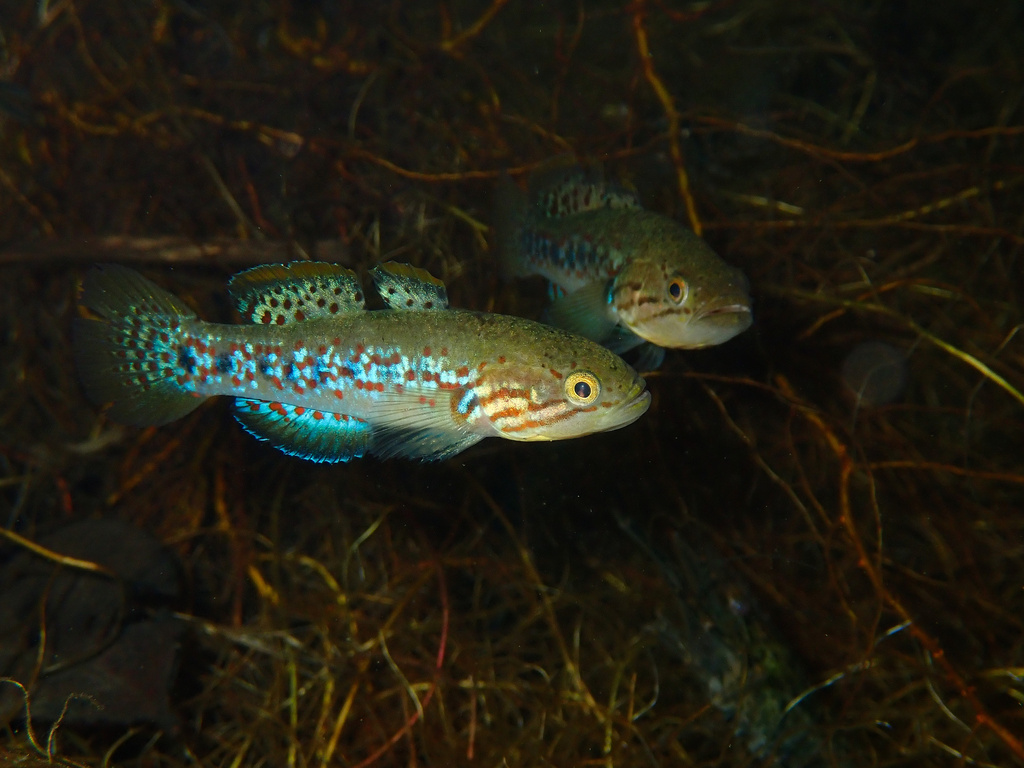
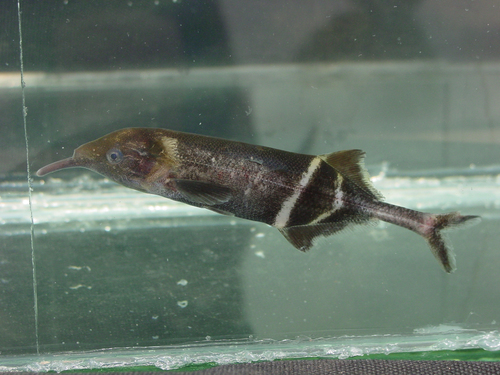
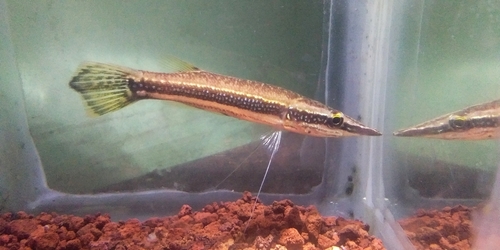
The Peppermint Pikehead (Luciocephalus aura) is a striking species of freshwater ray-finned fish that showcases a rich tapestry of green and gold hues, making it a delightful addition to any aquarium. Native to the forested swamps of Sumatra, particularly around the middle Batang Hari River and the Musi River drainage, this species exhibits a distinctively elongated body with a pointed snout, resembling its namesake pike. Its color pattern consists of captivating spots that can change slightly based on environmental conditions, enhancing its appeal to aquarists.
In the wild, Peppermint Pikeheads thrive in slow-moving waters rich in vegetation, where they utilize their camouflage for protection against predators. They are known to be relatively shy and prefer to inhabit areas with ample cover, such as submerged logs and dense plant life. This behavior translates well into captivity, where they benefit from a well-planted aquarium that mimics their natural habitat. Their social dynamics involve forming small schools, making it essential for aquarists to provide them with companions of their own kind.
Peppermint Pikeheads are also known for their fascinating behavior; they tend to exhibit a level of inquisitiveness and can often be seen exploring their surroundings. Their peaceful temperament makes them suitable for community tanks, provided that tank mates are similarly non-aggressive. However, it is crucial to avoid larger or aggressive species that may intimidate or harm them.
Overall, the Peppermint Pikehead is not just a visually stunning fish but also a remarkable addition to the aquatic ecosystem, contributing to the biodiversity and charm of freshwater environments. It serves both as a beautiful centerpiece and a conversation starter for aquarists who appreciate the nuances of freshwater fish species.
In the wild, Peppermint Pikeheads thrive in slow-moving waters rich in vegetation, where they utilize their camouflage for protection against predators. They are known to be relatively shy and prefer to inhabit areas with ample cover, such as submerged logs and dense plant life. This behavior translates well into captivity, where they benefit from a well-planted aquarium that mimics their natural habitat. Their social dynamics involve forming small schools, making it essential for aquarists to provide them with companions of their own kind.
Peppermint Pikeheads are also known for their fascinating behavior; they tend to exhibit a level of inquisitiveness and can often be seen exploring their surroundings. Their peaceful temperament makes them suitable for community tanks, provided that tank mates are similarly non-aggressive. However, it is crucial to avoid larger or aggressive species that may intimidate or harm them.
Overall, the Peppermint Pikehead is not just a visually stunning fish but also a remarkable addition to the aquatic ecosystem, contributing to the biodiversity and charm of freshwater environments. It serves both as a beautiful centerpiece and a conversation starter for aquarists who appreciate the nuances of freshwater fish species.
To successfully care for Peppermint Pikeheads, it is vital to replicate their natural habitat as closely as possible. They thrive in water temperatures ranging from 24°C to 28°C, with a pH level between 6.0 and 7.5. A minimum tank size of 150 liters is recommended to accommodate their active nature and schooling behavior. Additionally, ensure that the aquarium is well-planted with hiding spots to reduce stress and enhance their comfort.
Feeding Peppermint Pikeheads is straightforward, as they are primarily carnivorous. High-quality flakes, live or frozen food such as brine shrimp and daphnia, will ensure they receive the necessary nutrients. It is essential to monitor their feeding habits and adjust portions accordingly to prevent overfeeding, which can lead to water quality issues.
For compatibility, these fish do well in community tanks with other peaceful species. Avoid pairing them with aggressive or larger fish that may pose a threat. Acclimation should be done gradually, introducing them to their new environment slowly to minimize shock. A quarantine period of at least two weeks is recommended before introducing them to the main tank, ensuring they are free from any diseases.
Regular maintenance, including water changes and monitoring water parameters, will help keep Peppermint Pikeheads healthy and vibrant in captivity. With the right care, these fish can thrive and bring beauty to any aquarium setting.
Feeding Peppermint Pikeheads is straightforward, as they are primarily carnivorous. High-quality flakes, live or frozen food such as brine shrimp and daphnia, will ensure they receive the necessary nutrients. It is essential to monitor their feeding habits and adjust portions accordingly to prevent overfeeding, which can lead to water quality issues.
For compatibility, these fish do well in community tanks with other peaceful species. Avoid pairing them with aggressive or larger fish that may pose a threat. Acclimation should be done gradually, introducing them to their new environment slowly to minimize shock. A quarantine period of at least two weeks is recommended before introducing them to the main tank, ensuring they are free from any diseases.
Regular maintenance, including water changes and monitoring water parameters, will help keep Peppermint Pikeheads healthy and vibrant in captivity. With the right care, these fish can thrive and bring beauty to any aquarium setting.
Peppermint Pikeheads are suitable for shipping due to their hardy nature, but temperature control is crucial. Ideal shipping temperatures range between 24°C and 28°C. Use insulated containers with sufficient oxygen and appropriate packing density, typically 1 fish per liter, to maintain water quality during transit. As a species endemic to Indonesia, they are not listed under CITES, simplifying export regulations.
Species Parameters
Max Adult Size
15.0 cm
Origin
Southeast Asia
Diet
carnivore
Temp Min
24.0 °C
Temp Max
28.0 °C
pH Min
6.00
pH Max
7.50
Min Tank
150 L