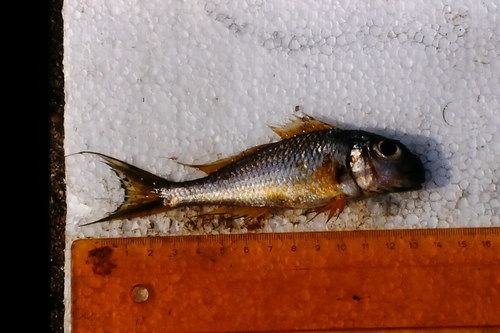
Xenotilapia ochrogenys
Xenotilapia ochrogenys
Out of Stock
Scarce stock
Wild Caught
Moderate care
Not Reef Safe
SKU: 01-A-34-341-04
Discover the vibrant Xenotilapia ochrogenys, a stunning addition to freshwater aquariums.
Pricing for Verified Importers
Log in to see wholesale prices and order.
Export Size
up to 12.0 cm
Origin
African Great Lakes
Temperature
24.0–28.0°C
Min. Tank Size
150 L
pH
7.50–9.00
Diet
omnivore
Xenotilapia ochrogenys, commonly known as the yellow-bellied cichlid, is a captivating freshwater species native to the African Great Lakes, particularly Lake Tanganyika. This fish is renowned for its striking coloration, featuring a blend of blue and yellow hues that make it a visual delight in any aquarium setting. Its elongated body shape and unique swimming patterns add to its charm, making it a popular choice among aquarists and collectors alike.
In their natural habitat, Xenotilapia ochrogenys typically inhabit sandy substrates and rocky areas where they can forage for food. Their diet primarily consists of small invertebrates, which they hunt with remarkable agility. This species is known for its social behavior; they thrive in groups and exhibit fascinating interactions, particularly during breeding, where males display vibrant colors to attract females.
Behaviorally, these cichlids are semi-aggressive, especially during mating seasons, and they establish territories within their environment. In the aquarium, providing ample hiding spots and open swimming spaces is crucial to promote natural behavior and reduce stress. Their adaptability to various water conditions further enhances their appeal, making them suitable for both novice and experienced aquarists.
Xenotilapia ochrogenys prefers a well-maintained environment that mimics its natural habitat, including sandy substrates and plenty of rock formations. When kept in a community tank, careful selection of tank mates is essential to prevent territorial disputes. Their vibrant colors and engaging behavior make them not only a beautiful addition to aquariums but also an interesting species to observe and study.
In their natural habitat, Xenotilapia ochrogenys typically inhabit sandy substrates and rocky areas where they can forage for food. Their diet primarily consists of small invertebrates, which they hunt with remarkable agility. This species is known for its social behavior; they thrive in groups and exhibit fascinating interactions, particularly during breeding, where males display vibrant colors to attract females.
Behaviorally, these cichlids are semi-aggressive, especially during mating seasons, and they establish territories within their environment. In the aquarium, providing ample hiding spots and open swimming spaces is crucial to promote natural behavior and reduce stress. Their adaptability to various water conditions further enhances their appeal, making them suitable for both novice and experienced aquarists.
Xenotilapia ochrogenys prefers a well-maintained environment that mimics its natural habitat, including sandy substrates and plenty of rock formations. When kept in a community tank, careful selection of tank mates is essential to prevent territorial disputes. Their vibrant colors and engaging behavior make them not only a beautiful addition to aquariums but also an interesting species to observe and study.
To successfully care for Xenotilapia ochrogenys, maintaining optimal water parameters is essential. The ideal temperature range is between 24°C to 28°C, with a pH level between 7.5 and 9.0. These cichlids thrive in slightly alkaline waters, and maintaining stable conditions will ensure their health and longevity. Regular water changes and filtration are crucial to keep the environment clean and safe.
In terms of diet, Xenotilapia ochrogenys is an omnivore, and a varied diet is recommended. High-quality pellets, flake food, and occasional live or frozen foods such as brine shrimp and bloodworms will ensure proper nutrition. Feeding should occur 2-3 times a day in small amounts to prevent overfeeding and maintain water quality.
Compatibility is an important consideration, as these cichlids can be territorial. They are best kept with other robust species that can handle their semi-aggressive nature. Acclimation should be gradual, allowing these fish to adjust to new tank conditions without stress. Quarantine new arrivals for at least two weeks to prevent the spread of diseases and ensure the health of the entire aquarium.
Providing plenty of hiding spaces using rocks and caves will help reduce stress and allow for natural behaviors. Regular monitoring of their interactions and health will lead to a successful and vibrant community tank.
In terms of diet, Xenotilapia ochrogenys is an omnivore, and a varied diet is recommended. High-quality pellets, flake food, and occasional live or frozen foods such as brine shrimp and bloodworms will ensure proper nutrition. Feeding should occur 2-3 times a day in small amounts to prevent overfeeding and maintain water quality.
Compatibility is an important consideration, as these cichlids can be territorial. They are best kept with other robust species that can handle their semi-aggressive nature. Acclimation should be gradual, allowing these fish to adjust to new tank conditions without stress. Quarantine new arrivals for at least two weeks to prevent the spread of diseases and ensure the health of the entire aquarium.
Providing plenty of hiding spaces using rocks and caves will help reduce stress and allow for natural behaviors. Regular monitoring of their interactions and health will lead to a successful and vibrant community tank.
Xenotilapia ochrogenys is suitable for export, provided that proper shipping practices are followed. Packing density should allow for adequate oxygen levels during transit. Temperature sensitivity is moderate, so maintaining a stable temperature between 24°C and 28°C is crucial during shipping. Ensure to check CITES status; as of now, this species is not listed, facilitating easier export processes.
Species Parameters
Max Adult Size
12.0 cm
Origin
African Great Lakes
Diet
omnivore
Temp Min
24.0 °C
Temp Max
28.0 °C
pH Min
7.50
pH Max
9.00
Min Tank
150 L