CITES App. II
Sun-Flower Coral/Orange
Tubastrea sp.
In Stock
Common stock
Maricultured
Experienced care
Reef Safe ✓
SKU: CB-HC-0133
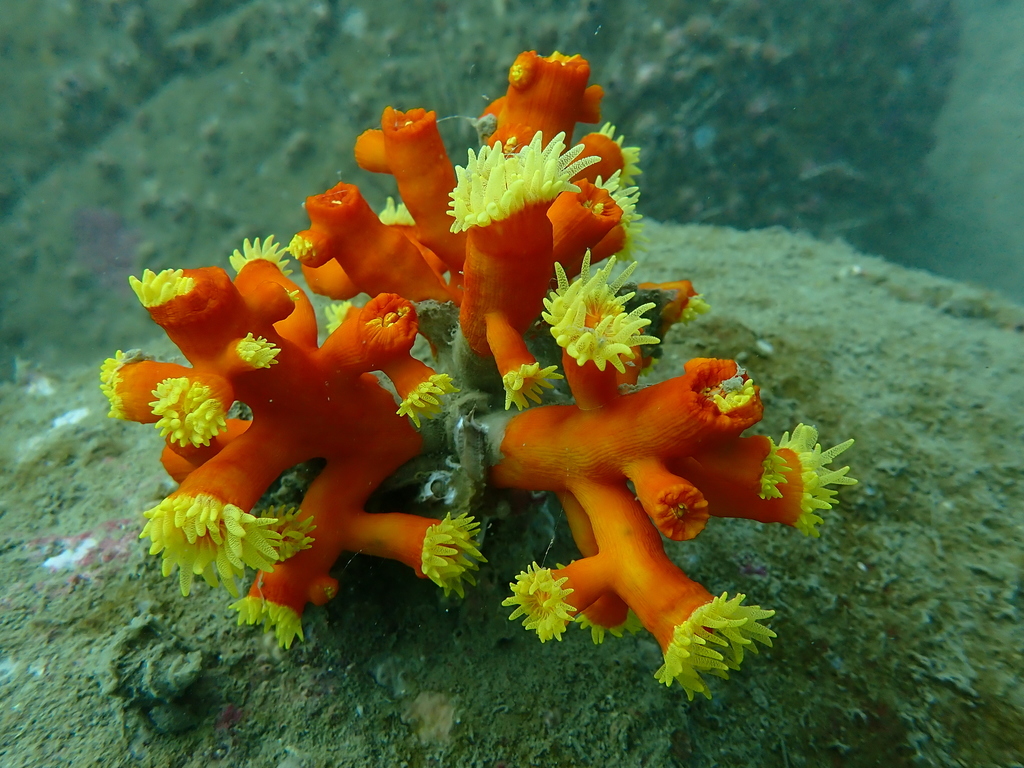
Brighten your aquarium with the vibrant Sun-Flower Coral from Bali!
Pricing for Verified Importers
Log in to see wholesale prices and order.
Export Size
up to 15.0 cm
Origin
Indo-Pacific
Temperature
24.0–28.0°C
Min. Tank Size
100 L
Salinity
1.023–1.025 ppt
pH
8.10–8.40
Diet
carnivore
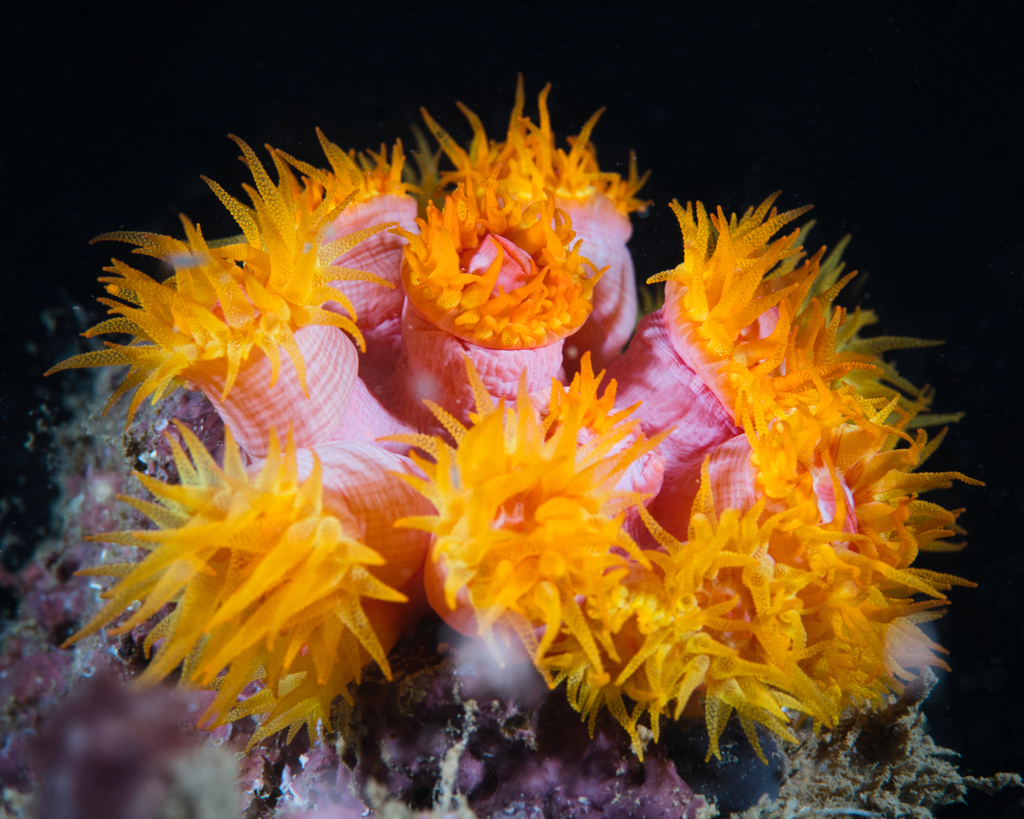
The Sun-Flower Coral, scientifically known as Tubastrea sp., is a stunning addition to any marine aquarium, recognized for its vibrant orange coloration and unique polyp structure. This species lacks a symbiotic relationship with zooxanthellae, allowing it to thrive in deeper waters where sunlight is limited. As a result, it exhibits a striking appearance that captures the attention of aquarists and coral enthusiasts alike.
In its natural habitat, the Sun-Flower Coral is typically found on reefs and rocky substrates throughout the Indo-Pacific region. It forms colonies consisting of numerous polyps that can expand significantly to capture food particles from the water. The coral's polyps are fleshy and can retract into the skeleton during the day, providing protection from potential predators.
Behaviorally, Tubastrea sp. is known for its ability to feed on plankton and other small particles in the water column. Unlike many corals, it does not require direct sunlight for photosynthesis, making it a versatile option for various aquarium conditions. Its vibrant coloration and unique feeding habits make it a fascinating species to observe in an aquarium setting.
The Sun-Flower Coral contributes to the biodiversity of reef ecosystems, playing a role in providing habitat for various marine organisms. Its ability to adapt to different environments further enhances its appeal for both novice and experienced aquarists seeking to create a dynamic and colorful marine display.
In its natural habitat, the Sun-Flower Coral is typically found on reefs and rocky substrates throughout the Indo-Pacific region. It forms colonies consisting of numerous polyps that can expand significantly to capture food particles from the water. The coral's polyps are fleshy and can retract into the skeleton during the day, providing protection from potential predators.
Behaviorally, Tubastrea sp. is known for its ability to feed on plankton and other small particles in the water column. Unlike many corals, it does not require direct sunlight for photosynthesis, making it a versatile option for various aquarium conditions. Its vibrant coloration and unique feeding habits make it a fascinating species to observe in an aquarium setting.
The Sun-Flower Coral contributes to the biodiversity of reef ecosystems, playing a role in providing habitat for various marine organisms. Its ability to adapt to different environments further enhances its appeal for both novice and experienced aquarists seeking to create a dynamic and colorful marine display.
To successfully maintain Sun-Flower Coral in an aquarium, it is essential to replicate its natural habitat as closely as possible. Ideal water parameters include a temperature range of 24-28°C, a salinity level of 1.023-1.025 ppt, and a pH between 8.1 and 8.4. Regular water quality checks and maintenance are crucial to ensure the health of the coral.
Feeding is a vital aspect of care for Tubastrea sp. As a non-photosynthetic coral, it relies on supplemental feeding with high-quality coral foods or plankton. Aim to feed the coral several times a week to promote growth and vibrant coloration. Compatibility with other aquarium species is generally good, but it is advisable to avoid aggressive corals that may compete for space or resources.
Acclimation is critical for the survival of Sun-Flower Coral upon arrival. Gradually introduce the coral to your aquarium environment over several hours to minimize stress. Quarantine practices are recommended for new arrivals to prevent the introduction of pests or diseases into the main display tank. Ensure a stable environment with low flow and adequate space for expansion to enhance the coral's vitality.
Feeding is a vital aspect of care for Tubastrea sp. As a non-photosynthetic coral, it relies on supplemental feeding with high-quality coral foods or plankton. Aim to feed the coral several times a week to promote growth and vibrant coloration. Compatibility with other aquarium species is generally good, but it is advisable to avoid aggressive corals that may compete for space or resources.
Acclimation is critical for the survival of Sun-Flower Coral upon arrival. Gradually introduce the coral to your aquarium environment over several hours to minimize stress. Quarantine practices are recommended for new arrivals to prevent the introduction of pests or diseases into the main display tank. Ensure a stable environment with low flow and adequate space for expansion to enhance the coral's vitality.
Sun-Flower Corals are suitable for shipping, provided they are packed securely to minimize movement and damage. Optimal packing density ensures that each coral is cushioned and protected during transit. Temperature sensitivity is a concern; therefore, shipping should occur within a temperature range of 20-25°C. This species is not listed under CITES, which simplifies export regulations.
Species Parameters
Max Adult Size
15.0 cm
Origin
Indo-Pacific
Diet
carnivore
Temp Min
24.0 °C
Temp Max
28.0 °C
Salinity Min
1.023
Salinity Max
1.025
pH Min
8.10
pH Max
8.40
Min Tank
100 L