
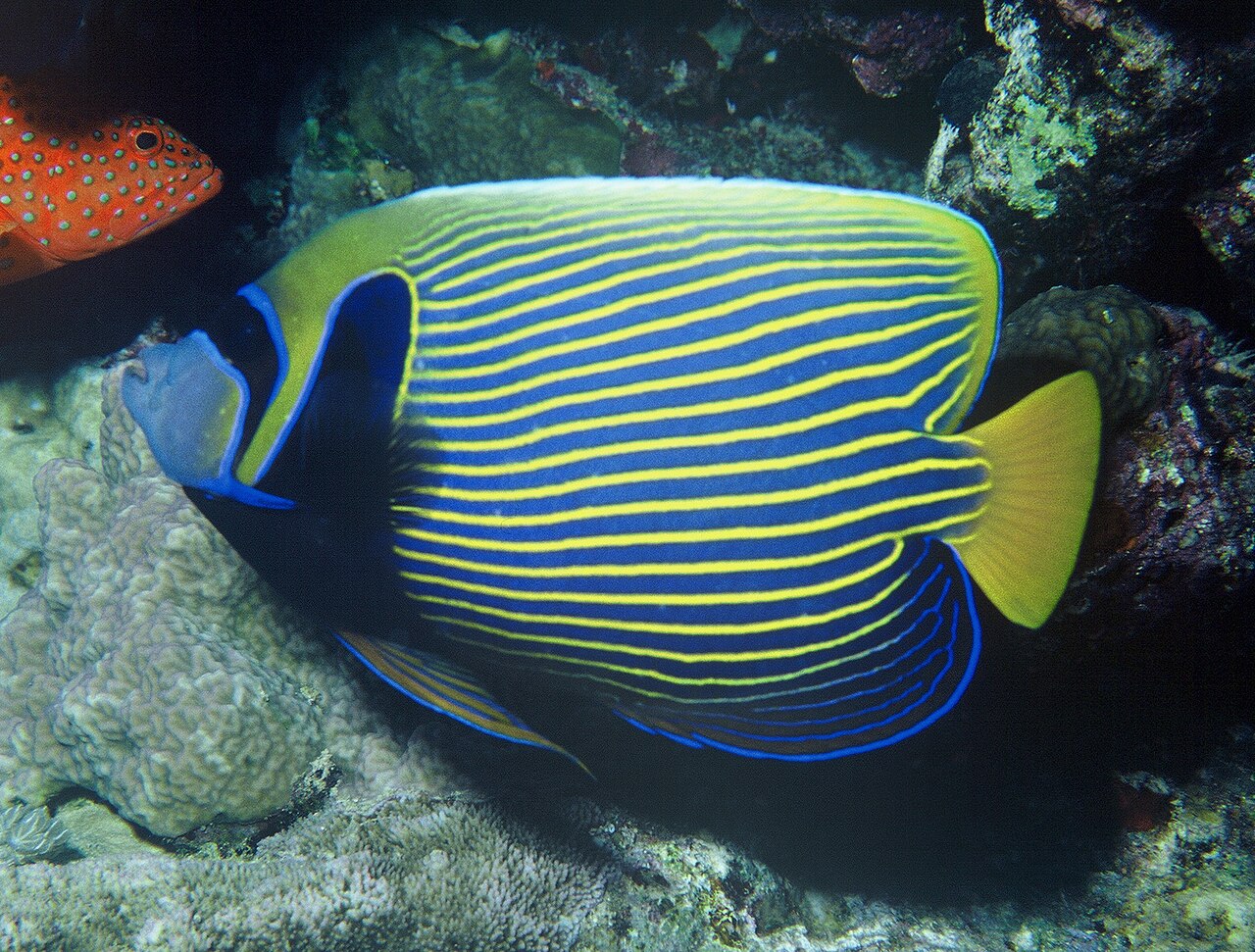
Emperor Angelfish
pomachantus imperator
In Stock
Common stock
Wild Caught
Moderate care
With Caution
SKU: ML-MF-0007
The Emperor Angelfish, with its vibrant colors and unique patterns, is a stunning addition to any marine aquarium.
Pricing for Verified Importers
Log in to see wholesale prices and order.
Export Size
up to 40.0 cm
Origin
Indo-Pacific
Temperature
24.0–28.0°C
Min. Tank Size
400 L
Salinity
35.000–35.000 ppt
pH
8.10–8.40
Diet
omnivore
The Emperor Angelfish (Pomacanthus imperator) is a captivating marine species renowned for its striking appearance and intricate color patterns. This fish showcases a vibrant blue and yellow coloration, with bold vertical stripes and a distinctive circular patch on its dorsal fin. Juveniles are particularly notable for their bright blue and white stripes, which gradually transform into the more complex adult coloration as they mature. This species is a true embodiment of the beauty found in the coral reefs of the Indo-Pacific region.
In terms of natural history, the Emperor Angelfish inhabits coral reefs and lagoons, often found in depths ranging from 1 to 50 meters. They are known to be territorial and will establish a hierarchy within their environment. These fish primarily feed on sponges, algae, and other benthic invertebrates, playing a crucial role in maintaining the health of their reef ecosystems. Their unique feeding habits and behaviors make them an essential part of the marine community, contributing to the biodiversity of their habitats.
The Emperor Angelfish is also recognized for its fascinating behavior. They are known to be relatively shy and will often seek shelter among corals when threatened. Their social structure is complex, often involving interactions with other species, including cleaner wrasses, which help maintain their health by removing parasites. Observing these interactions can provide insights into the intricate relationships that exist within coral reef ecosystems.
Overall, the Emperor Angelfish is not only a visually stunning species but also a vital component of its marine environment, making it a prized addition to aquariums worldwide.
In terms of natural history, the Emperor Angelfish inhabits coral reefs and lagoons, often found in depths ranging from 1 to 50 meters. They are known to be territorial and will establish a hierarchy within their environment. These fish primarily feed on sponges, algae, and other benthic invertebrates, playing a crucial role in maintaining the health of their reef ecosystems. Their unique feeding habits and behaviors make them an essential part of the marine community, contributing to the biodiversity of their habitats.
The Emperor Angelfish is also recognized for its fascinating behavior. They are known to be relatively shy and will often seek shelter among corals when threatened. Their social structure is complex, often involving interactions with other species, including cleaner wrasses, which help maintain their health by removing parasites. Observing these interactions can provide insights into the intricate relationships that exist within coral reef ecosystems.
Overall, the Emperor Angelfish is not only a visually stunning species but also a vital component of its marine environment, making it a prized addition to aquariums worldwide.
When caring for Emperor Angelfish, it is essential to maintain stable water parameters to ensure their health and well-being. The ideal temperature range is between 24°C and 28°C, with a salinity of 1.020 to 1.025 ppt. The pH level should be maintained between 8.1 and 8.4. A minimum tank size of 400 liters is recommended to provide ample swimming space and hiding spots, as these fish can grow up to 40 cm in length.
Feeding should consist of a varied diet, including high-quality marine pellets, frozen or live foods such as mysis shrimp and spirulina-based products. It's important to offer a mix of plant-based and protein-rich foods to meet their dietary needs. Compatibility-wise, Emperor Angelfish can be semi-aggressive and should be housed with larger, more robust tankmates to prevent bullying.
Acclimation should be done slowly to reduce stress, ideally over a period of several hours in a quarantine tank before introducing them to the main display. Quarantine is crucial as it helps prevent the introduction of diseases to the main aquarium. Regular monitoring and maintenance of water quality will further support their health in captivity.
Feeding should consist of a varied diet, including high-quality marine pellets, frozen or live foods such as mysis shrimp and spirulina-based products. It's important to offer a mix of plant-based and protein-rich foods to meet their dietary needs. Compatibility-wise, Emperor Angelfish can be semi-aggressive and should be housed with larger, more robust tankmates to prevent bullying.
Acclimation should be done slowly to reduce stress, ideally over a period of several hours in a quarantine tank before introducing them to the main display. Quarantine is crucial as it helps prevent the introduction of diseases to the main aquarium. Regular monitoring and maintenance of water quality will further support their health in captivity.
Emperor Angelfish are suitable for shipping, but special care should be taken to minimize stress during transit. Packing density should be moderate to allow for movement without overcrowding. They are sensitive to temperature fluctuations, so maintaining a stable temperature between 24°C and 28°C during shipping is essential. As a CITES Appendix II species, it is important to ensure that all export regulations are followed to promote sustainable trade practices.
Species Parameters
Max Adult Size
40.0 cm
Origin
Indo-Pacific
Diet
omnivore
Temp Min
24.0 °C
Temp Max
28.0 °C
Salinity Min
35.000
Salinity Max
35.000
pH Min
8.10
pH Max
8.40
Min Tank
400 L
More from this Category
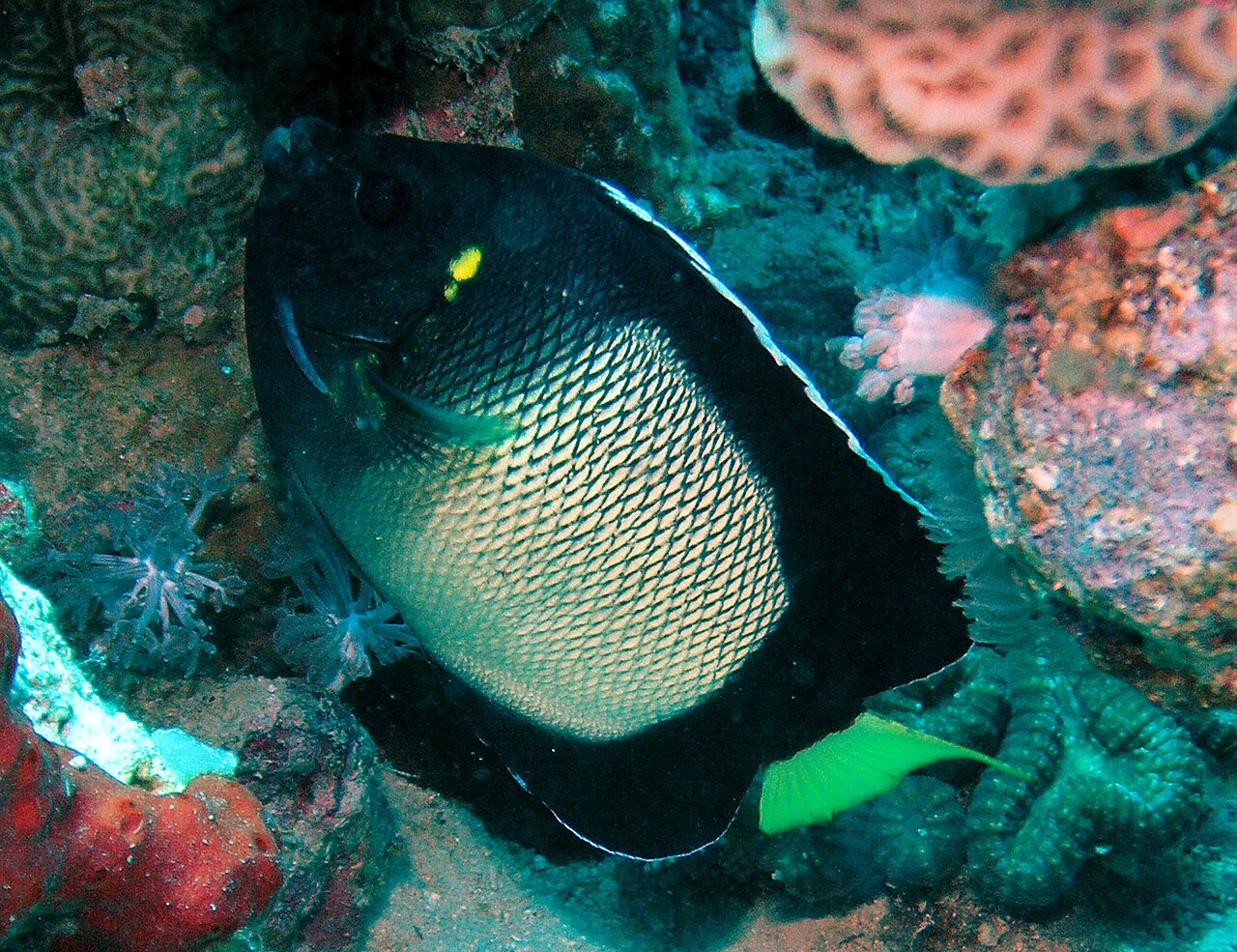

Photo credits
Photo 1
Adult Emperor Angelfish reference; not offered stock, size or sex guarantee. Original source title uses Pomocanthus; identified as Pomacanthus imperator. Existing Wikimedia resized image unchanged; no local edits.
Photo: Albert Kok · Pomocanthus imperator.jpg · Public domain