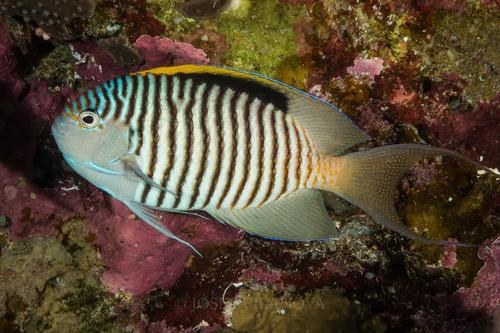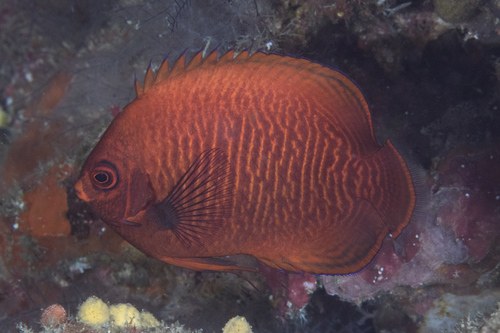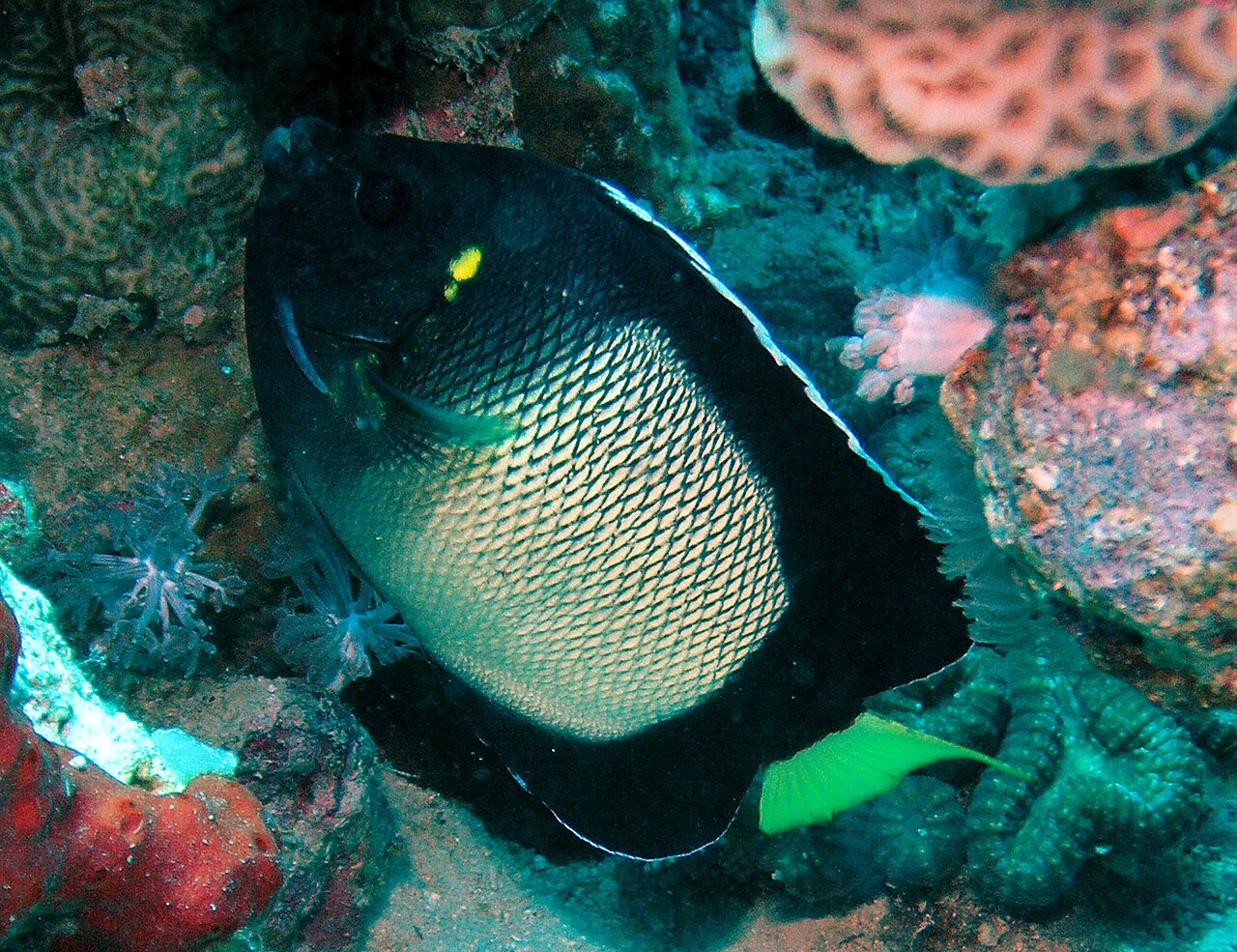
Yellow-ear angelfish/Red Sea Angelfish
apolemichthys xanthotis
In Stock
Common stock
Wild Caught
Moderate care
With Caution
SKU: ML-MF-0046
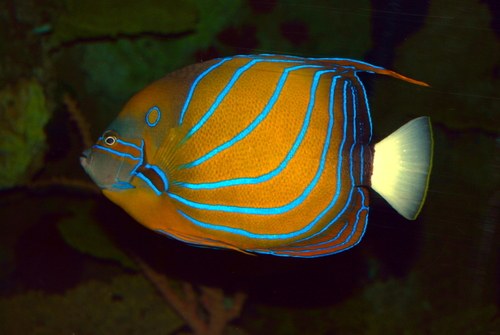
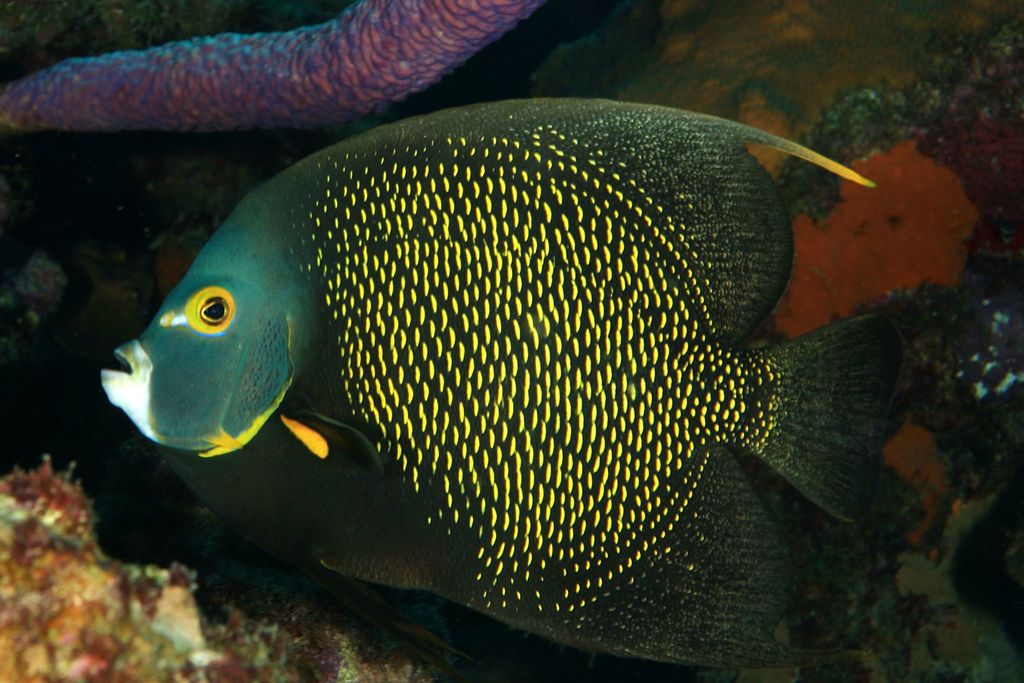
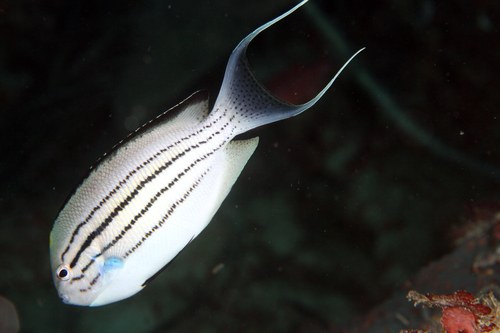
The Yellow-ear angelfish is a vibrant marine species known for its striking yellow and blue coloration.
Pricing for Verified Importers
Log in to see wholesale prices and order.
Export Size
up to 25.0 cm
Origin
Red Sea
Temperature
24.0–28.0°C
Min. Tank Size
200 L
Salinity
1.020–1.025 ppt
pH
8.10–8.40
Diet
omnivore
The Yellow-ear angelfish, scientifically known as Apolemichthys xanthotis, is a captivating marine fish native to the coral reefs of the Red Sea and surrounding regions. This species is particularly admired for its unique coloration, featuring a bright yellow body adorned with deep blue accents around the head and dorsal fins. In addition to its visual appeal, the Yellow-ear angelfish also exhibits a distinct ear-like shape on its head, contributing to its common name.
In terms of natural history, the Yellow-ear angelfish typically inhabits shallow coral reefs where it forages for food among the nooks and crannies of the reef. It feeds primarily on algae, sponges, and small invertebrates, which are abundant in its natural habitat. This species is known for its territorial behavior, often establishing dominance over a specific area of the reef, which it defends aggressively against intruders.
Behaviorally, the Yellow-ear angelfish is a relatively peaceful species, making it suitable for community aquariums if housed with compatible tank mates. However, caution should be taken when introducing it to an environment with similar species, as conflicts may arise. The Yellow-ear angelfish is also known to exhibit curious behavior, often exploring its surroundings and interacting with other fish.
In terms of habitat, this angelfish is typically found at depths ranging from 5 to 30 meters, favoring areas with abundant coral cover. It thrives in warm, clear waters, which are essential for its health and well-being. As an aquarium species, it can adapt well to a well-maintained environment that mimics its natural habitat, complete with hiding spots and suitable water conditions.
In terms of natural history, the Yellow-ear angelfish typically inhabits shallow coral reefs where it forages for food among the nooks and crannies of the reef. It feeds primarily on algae, sponges, and small invertebrates, which are abundant in its natural habitat. This species is known for its territorial behavior, often establishing dominance over a specific area of the reef, which it defends aggressively against intruders.
Behaviorally, the Yellow-ear angelfish is a relatively peaceful species, making it suitable for community aquariums if housed with compatible tank mates. However, caution should be taken when introducing it to an environment with similar species, as conflicts may arise. The Yellow-ear angelfish is also known to exhibit curious behavior, often exploring its surroundings and interacting with other fish.
In terms of habitat, this angelfish is typically found at depths ranging from 5 to 30 meters, favoring areas with abundant coral cover. It thrives in warm, clear waters, which are essential for its health and well-being. As an aquarium species, it can adapt well to a well-maintained environment that mimics its natural habitat, complete with hiding spots and suitable water conditions.
When caring for the Yellow-ear angelfish in captivity, it is essential to maintain optimal water parameters to ensure its health and longevity. The ideal temperature range for this species is between 24°C to 28°C, with a salinity level of 1.020 to 1.025 ppt. The pH level should be kept between 8.1 and 8.4. A minimum tank size of 200 liters is recommended to provide adequate swimming space and territorial room.
Feeding should consist of a varied diet, including high-quality marine flakes, frozen foods, and algae-based products to mimic their natural feeding habits. It's crucial to provide a balanced diet to promote vibrant coloration and overall health. Compatibility-wise, the Yellow-ear angelfish can coexist with other peaceful species but should be monitored for any signs of aggression, especially with similar-sized angelfish.
Acclimation is critical when introducing this fish to a new aquarium; a slow drip method over several hours is recommended to minimize stress. Additionally, quarantine is advisable for new arrivals to prevent the introduction of diseases into established systems. Regular monitoring of health and behavior will help ensure a successful experience with this beautiful angelfish.
Feeding should consist of a varied diet, including high-quality marine flakes, frozen foods, and algae-based products to mimic their natural feeding habits. It's crucial to provide a balanced diet to promote vibrant coloration and overall health. Compatibility-wise, the Yellow-ear angelfish can coexist with other peaceful species but should be monitored for any signs of aggression, especially with similar-sized angelfish.
Acclimation is critical when introducing this fish to a new aquarium; a slow drip method over several hours is recommended to minimize stress. Additionally, quarantine is advisable for new arrivals to prevent the introduction of diseases into established systems. Regular monitoring of health and behavior will help ensure a successful experience with this beautiful angelfish.
The Yellow-ear angelfish is suitable for shipping, provided proper care is taken during transport. Packing density should be moderate to ensure adequate oxygen supply, and water temperature should be maintained between 24°C and 28°C during shipping. It is important to use insulated boxes and heat packs if necessary. This species is not listed under CITES, making it easier for importers to arrange for export without additional regulatory complications.
Species Parameters
Max Adult Size
25.0 cm
Origin
Red Sea
Diet
omnivore
Temp Min
24.0 °C
Temp Max
28.0 °C
Salinity Min
1.020
Salinity Max
1.025
pH Min
8.10
pH Max
8.40
Min Tank
200 L