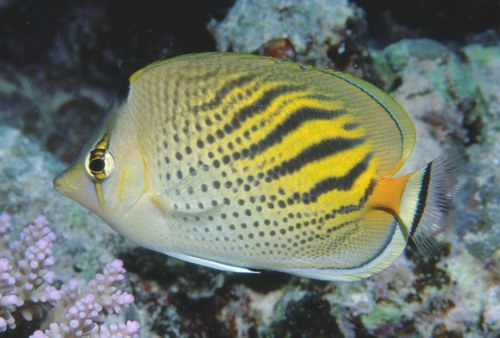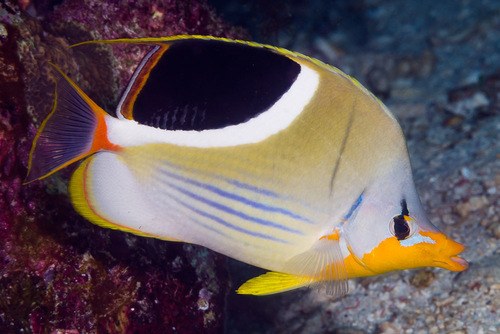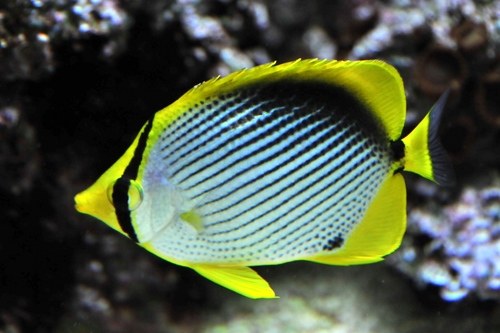
Assorted Butterflies
Chaetodon sp.
In Stock
Common stock
Wild Caught
Moderate care
With Caution
SKU: CB-MF-0044
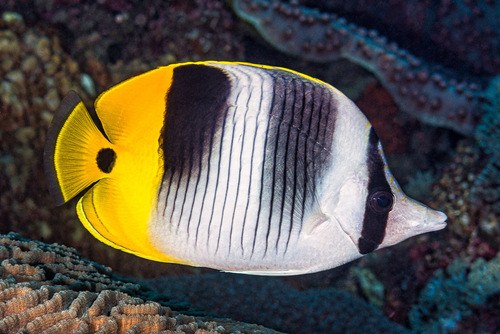
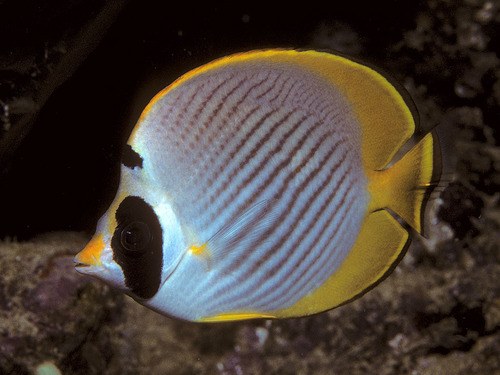
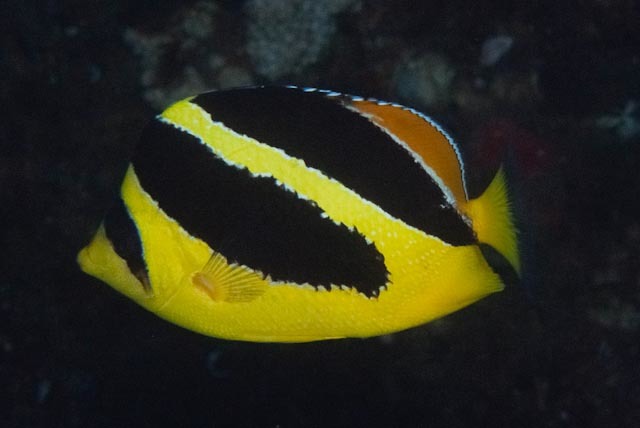
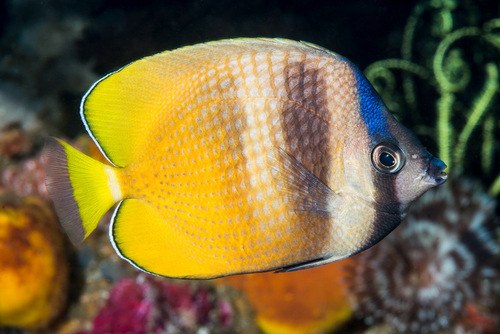
Assorted Butterflies are vibrant marine fish known for their stunning colors and patterns.
Pricing for Verified Importers
Log in to see wholesale prices and order.
Export Size
up to 20.0 cm
Origin
Indo-Pacific
Temperature
24.0–28.0°C
Min. Tank Size
200 L
Salinity
28.000–35.000 ppt
pH
8.10–8.40
Diet
omnivore
The Assorted Butterflies (Chaetodon sp.) are a group of marine fish that belong to the family Chaetodontidae, commonly known for their striking colors and intricate patterns. With a broad distribution across the Indo-Pacific region, these fish inhabit coral reefs where they play a crucial role in the ecosystem. Their unique body shape and color variations not only make them visually appealing but also help them blend into their surroundings, providing camouflage from predators.
These fish are characterized by their laterally compressed bodies and elongated snouts, which are adapted for feeding on coral polyps, small invertebrates, and algae. Depending on the specific species, their coloration can range from bright yellows and blues to more subdued browns and whites, often adorned with patterns that resemble the corals they inhabit. This vivid coloration not only serves as a form of protection but also plays a role in mating displays among individuals.
Behaviorally, Assorted Butterflies are known for their territorial nature, often establishing and defending feeding areas on the reef. These fish are generally observed in pairs or small groups, and they exhibit a variety of social interactions. They are diurnal, spending their days foraging and exploring their habitat, which typically consists of vibrant coral reefs where they find shelter and food.
In terms of habitat, Assorted Butterflies thrive in warm, shallow waters of coral reefs, usually found at depths of up to 30 meters. They are particularly sensitive to environmental changes, making them indicators of reef health. Their dependence on healthy coral ecosystems highlights the importance of conservation efforts in marine environments to ensure their survival.
These fish are characterized by their laterally compressed bodies and elongated snouts, which are adapted for feeding on coral polyps, small invertebrates, and algae. Depending on the specific species, their coloration can range from bright yellows and blues to more subdued browns and whites, often adorned with patterns that resemble the corals they inhabit. This vivid coloration not only serves as a form of protection but also plays a role in mating displays among individuals.
Behaviorally, Assorted Butterflies are known for their territorial nature, often establishing and defending feeding areas on the reef. These fish are generally observed in pairs or small groups, and they exhibit a variety of social interactions. They are diurnal, spending their days foraging and exploring their habitat, which typically consists of vibrant coral reefs where they find shelter and food.
In terms of habitat, Assorted Butterflies thrive in warm, shallow waters of coral reefs, usually found at depths of up to 30 meters. They are particularly sensitive to environmental changes, making them indicators of reef health. Their dependence on healthy coral ecosystems highlights the importance of conservation efforts in marine environments to ensure their survival.
When caring for Assorted Butterflies, it’s essential to replicate their natural environment as closely as possible. The ideal water parameters include a temperature range of 24-28°C, salinity levels between 28-35 ppt, and a pH level of 8.1-8.4. These fish thrive in well-established aquariums that provide plenty of hiding spots and open swimming areas, with a minimum tank size of 200 liters recommended to accommodate their active nature.
Feeding them a varied diet is crucial for their health; they are omnivores and benefit from high-quality marine fish flakes, frozen foods, and live foods such as brine shrimp and mysis shrimp. Regular feeding of algae-based foods can also support their dietary needs. Compatibility wise, Assorted Butterflies generally do well with other non-aggressive marine species but should be monitored closely, as they can exhibit territorial behavior.
Acclimation to a new aquarium should be done slowly to minimize stress; floating the sealed bag in the aquarium water for about 15-20 minutes before introducing them is recommended. Quarantine new arrivals for at least two weeks to prevent the spread of diseases and ensure that they are healthy before adding them to a display tank.
Feeding them a varied diet is crucial for their health; they are omnivores and benefit from high-quality marine fish flakes, frozen foods, and live foods such as brine shrimp and mysis shrimp. Regular feeding of algae-based foods can also support their dietary needs. Compatibility wise, Assorted Butterflies generally do well with other non-aggressive marine species but should be monitored closely, as they can exhibit territorial behavior.
Acclimation to a new aquarium should be done slowly to minimize stress; floating the sealed bag in the aquarium water for about 15-20 minutes before introducing them is recommended. Quarantine new arrivals for at least two weeks to prevent the spread of diseases and ensure that they are healthy before adding them to a display tank.
Assorted Butterflies are suitable for shipping, provided that appropriate measures are taken to ensure their health during transport. Packing density should be moderate, with enough space to reduce stress and allow for free movement. These fish are sensitive to temperature fluctuations; therefore, maintaining a stable temperature around 24-26°C during shipping is crucial. As they are not listed on CITES, there are no specific restrictions on their export, but adherence to local regulations is essential.
Species Parameters
Max Adult Size
20.0 cm
Origin
Indo-Pacific
Diet
omnivore
Temp Min
24.0 °C
Temp Max
28.0 °C
Salinity Min
28.000
Salinity Max
35.000
pH Min
8.10
pH Max
8.40
Min Tank
200 L