Peppered Butterfly
Chaetodon guttatissimus
In Stock
Common stock
Wild Caught
Moderate care
With Caution
SKU: CB-MF-0059
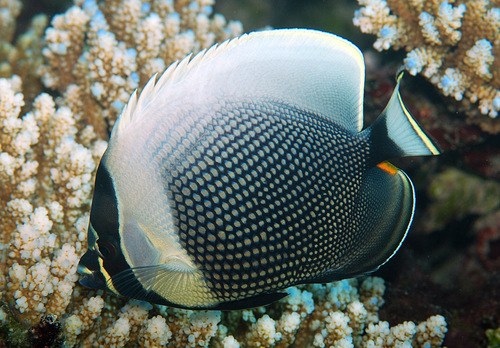
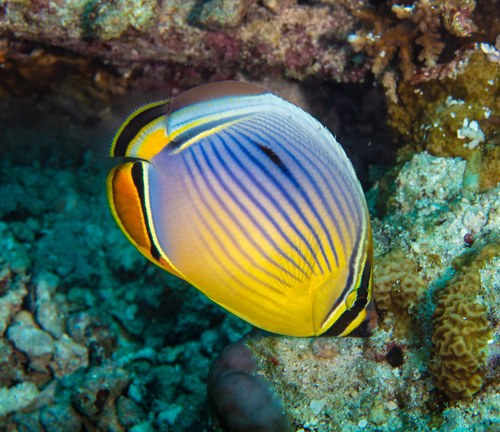
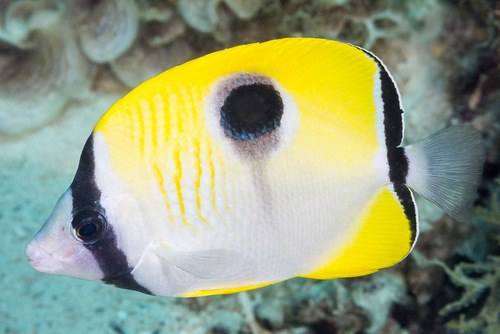
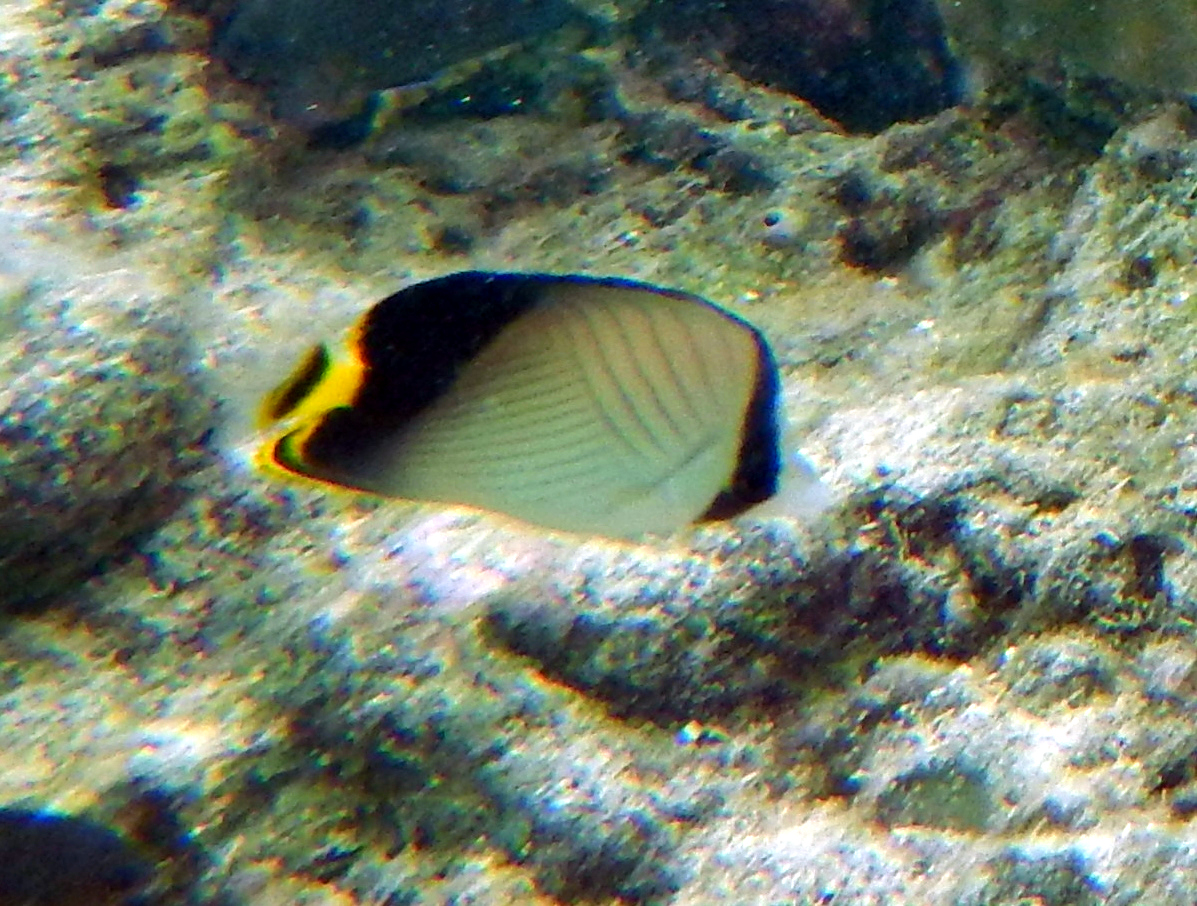
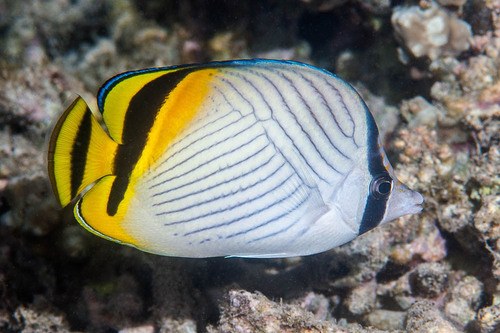
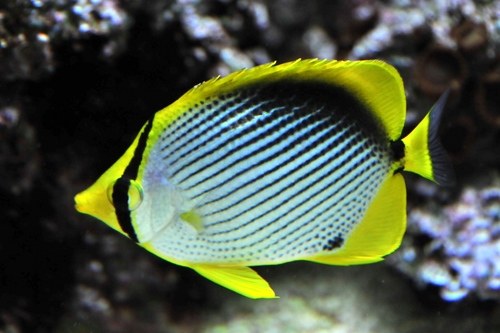
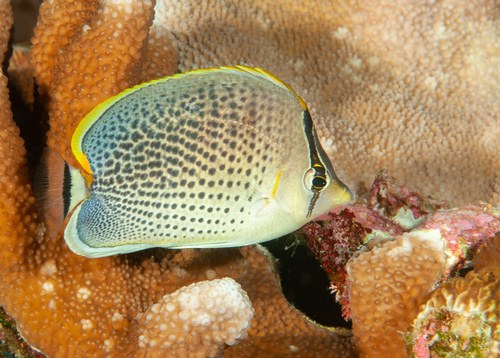
The Peppered Butterflyfish is renowned for its striking patterns and vibrant colors, making it a favorite among marine enthusiasts.
Pricing for Verified Importers
Log in to see wholesale prices and order.
Export Size
up to 15.0 cm
Origin
Indian Ocean
Temperature
24.0–28.0°C
Min. Tank Size
200 L
Salinity
1.020–1.025 ppt
pH
8.10–8.40
Diet
omnivore
The Peppered Butterflyfish (Chaetodon guttatissimus) is a visually captivating species native to the Indian Ocean. This marine ray-finned fish is characterized by its unique peppered pattern, which consists of small spots and stripes that blend harmoniously with its yellow and black body. Adult individuals can grow up to 15 cm in length, showcasing a robust physique that is typical of butterflyfish. Their coloration not only serves an aesthetic purpose but also provides camouflage among the coral reefs where they reside.
Peppered Butterflyfish are primarily found in shallow waters, particularly in coral-rich environments. They thrive in reef ecosystems, often associating with specific coral types that provide food and shelter. Their diet mainly consists of small invertebrates and coral polyps, which they adeptly extract using their specialized mouths. These fish exhibit a social behavior, often forming small groups or pairs, which helps in foraging and protection against predators.
Behaviorally, the Peppered Butterflyfish is known for its gentle temperament and curiosity. They are often seen darting in and out of crevices in the reef, showcasing their agility. Their vibrant appearance and engaging behavior make them a popular choice for both home aquarists and public aquariums. Additionally, their relatively peaceful nature allows for compatibility with a variety of other reef species, making them an excellent addition to community tanks.
In terms of conservation, the Peppered Butterflyfish is not currently listed as endangered, but habitat preservation is crucial for their sustainability. Maintaining healthy reef systems is essential for their survival, as these ecosystems are increasingly threatened by climate change and human activities. As such, responsible sourcing and export practices are vital to ensuring the long-term viability of this stunning species.
Peppered Butterflyfish are primarily found in shallow waters, particularly in coral-rich environments. They thrive in reef ecosystems, often associating with specific coral types that provide food and shelter. Their diet mainly consists of small invertebrates and coral polyps, which they adeptly extract using their specialized mouths. These fish exhibit a social behavior, often forming small groups or pairs, which helps in foraging and protection against predators.
Behaviorally, the Peppered Butterflyfish is known for its gentle temperament and curiosity. They are often seen darting in and out of crevices in the reef, showcasing their agility. Their vibrant appearance and engaging behavior make them a popular choice for both home aquarists and public aquariums. Additionally, their relatively peaceful nature allows for compatibility with a variety of other reef species, making them an excellent addition to community tanks.
In terms of conservation, the Peppered Butterflyfish is not currently listed as endangered, but habitat preservation is crucial for their sustainability. Maintaining healthy reef systems is essential for their survival, as these ecosystems are increasingly threatened by climate change and human activities. As such, responsible sourcing and export practices are vital to ensuring the long-term viability of this stunning species.
When caring for the Peppered Butterflyfish, it is essential to provide a well-maintained reef aquarium with a minimum size of 200 liters to accommodate their active swimming habits. Optimal water parameters include a temperature range of 24-28°C, salinity between 1.020-1.025 ppt, and a pH level from 8.1 to 8.4. Maintaining stable conditions is crucial, as fluctuations can stress the fish and lead to health issues.
Feeding should consist of a varied diet, including high-quality marine flakes, frozen or live foods such as brine shrimp, and small pieces of coral polyps. Regular feedings of 2-3 times daily will promote healthy growth and vibrant coloration. The Peppered Butterflyfish is relatively peaceful but may exhibit territorial behaviors, particularly during breeding or when housed with similar species. Therefore, it is recommended to introduce them to a community tank with compatible tank mates, such as other peaceful reef fish.
Acclimation should be done gradually to minimize stress, ideally over several hours using the drip method. Quarantine new arrivals for at least two weeks to monitor for signs of disease before introducing them to the main display tank. Keeping an eye on their health and well-being through regular water quality tests and observing for any signs of distress will ensure a thriving environment for these beautiful fish.
Feeding should consist of a varied diet, including high-quality marine flakes, frozen or live foods such as brine shrimp, and small pieces of coral polyps. Regular feedings of 2-3 times daily will promote healthy growth and vibrant coloration. The Peppered Butterflyfish is relatively peaceful but may exhibit territorial behaviors, particularly during breeding or when housed with similar species. Therefore, it is recommended to introduce them to a community tank with compatible tank mates, such as other peaceful reef fish.
Acclimation should be done gradually to minimize stress, ideally over several hours using the drip method. Quarantine new arrivals for at least two weeks to monitor for signs of disease before introducing them to the main display tank. Keeping an eye on their health and well-being through regular water quality tests and observing for any signs of distress will ensure a thriving environment for these beautiful fish.
The Peppered Butterflyfish is suitable for shipping due to its resilience to short transport durations. Packing density should be low to moderate to ensure adequate oxygen levels during transit. Care should be taken to maintain a stable temperature between 24-28°C, as they are sensitive to temperature fluctuations. Currently, there are no CITES restrictions on this species, making it easier for exporters to facilitate international trade while adhering to sustainable practices.
Species Parameters
Max Adult Size
15.0 cm
Origin
Indian Ocean
Diet
omnivore
Temp Min
24.0 °C
Temp Max
28.0 °C
Salinity Min
1.020
Salinity Max
1.025
pH Min
8.10
pH Max
8.40
Min Tank
200 L