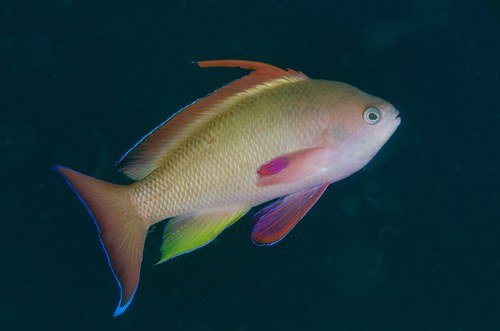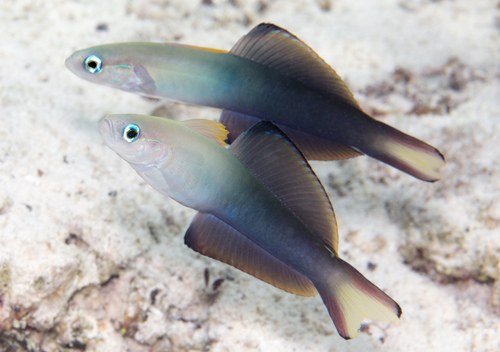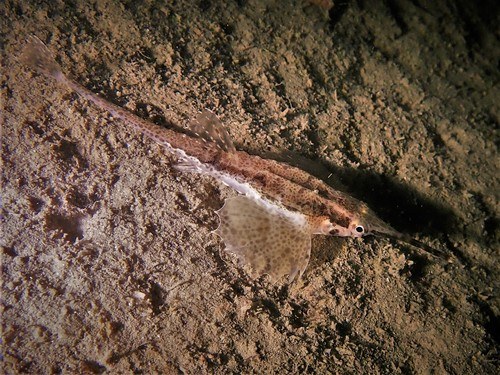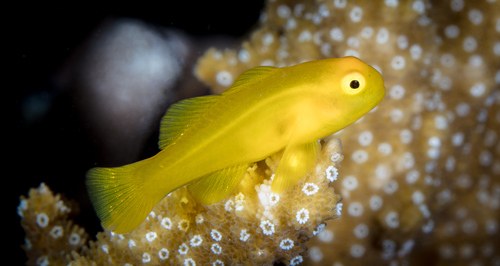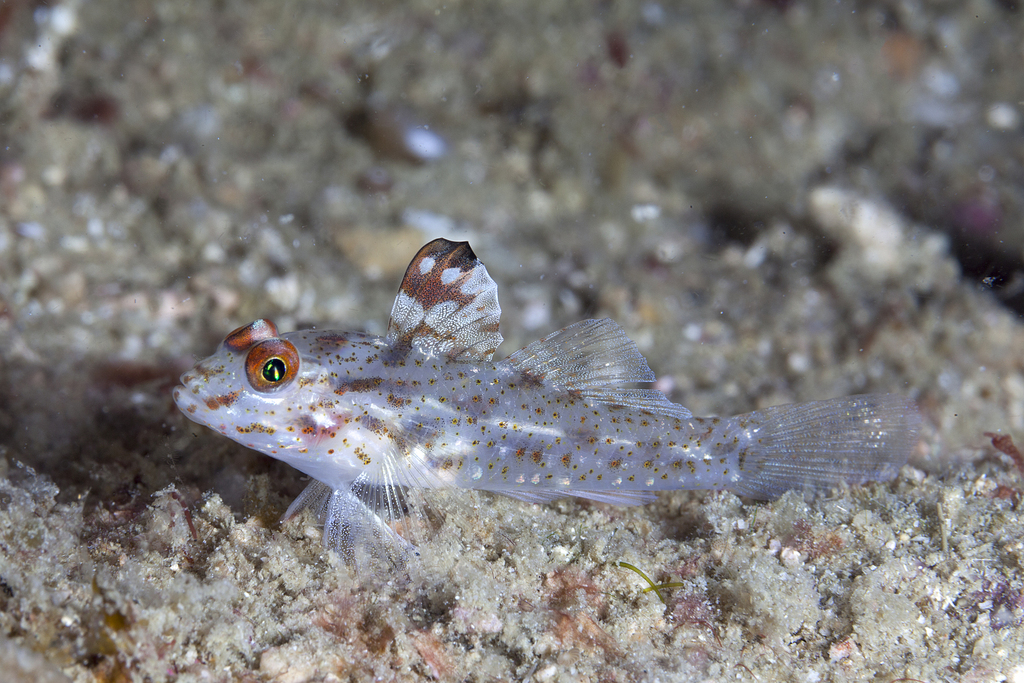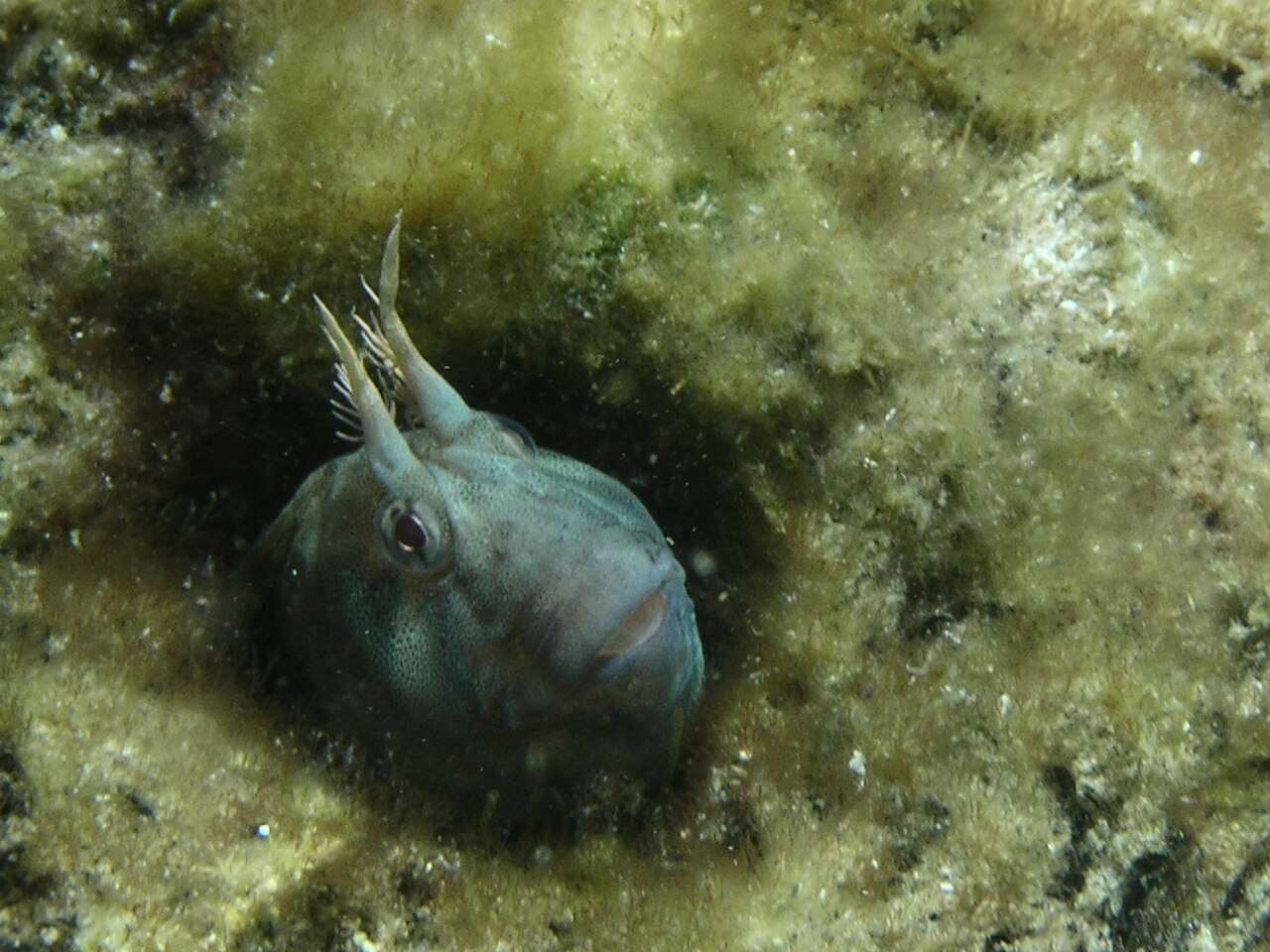
Tasmanian blenny
parablennius tasmanianus
In Stock
Common stock
Wild Caught
Moderate care
With Caution
SKU: ML-MF-0127
The Tasmanian blenny is a unique marine fish known for its vibrant colors and engaging behavior.
Pricing for Verified Importers
Log in to see wholesale prices and order.
Export Size
up to 15.0 cm
Origin
Southeast Asia
Temperature
18.0–24.0°C
Min. Tank Size
100 L
Salinity
30.000–35.000 ppt
pH
8.10–8.40
Diet
omnivore
The Tasmanian blenny (Parablennius tasmanianus) is a fascinating marine fish native to the rocky coastal waters of Tasmania and surrounding areas. This species is renowned for its distinctive appearance, characterized by a robust, elongated body adorned with striking coloration that can vary from deep browns to bright greens and yellows. Their large, expressive eyes and prominent dorsal fin add to their unique charm, making them a popular choice among aquarists and collectors alike.
In terms of behavior, the Tasmanian blenny is an active and curious species, often seen darting around its rocky habitat. They are known for their territorial nature, frequently establishing small areas of dominance among their peers. This behavior is particularly evident during breeding seasons when males display vibrant colors to attract mates. The Tasmanian blenny primarily feeds on small invertebrates and algae, showcasing its adaptability to various food sources found in its natural environment.
Habitat-wise, these blennies thrive in shallow coastal waters, usually around rocky substrates where they can hide from predators. They prefer environments with plenty of crevices and overhangs, which provide security and opportunities for foraging. The species is typically found at depths of up to 20 meters, where they can efficiently hunt for food while remaining concealed from larger fish.
Overall, the Tasmanian blenny's engaging personality, vivid coloration, and unique ecological niche make it a remarkable addition to any marine aquarium, appealing to both hobbyists and retailers looking for distinctive aquatic life to offer.
In terms of behavior, the Tasmanian blenny is an active and curious species, often seen darting around its rocky habitat. They are known for their territorial nature, frequently establishing small areas of dominance among their peers. This behavior is particularly evident during breeding seasons when males display vibrant colors to attract mates. The Tasmanian blenny primarily feeds on small invertebrates and algae, showcasing its adaptability to various food sources found in its natural environment.
Habitat-wise, these blennies thrive in shallow coastal waters, usually around rocky substrates where they can hide from predators. They prefer environments with plenty of crevices and overhangs, which provide security and opportunities for foraging. The species is typically found at depths of up to 20 meters, where they can efficiently hunt for food while remaining concealed from larger fish.
Overall, the Tasmanian blenny's engaging personality, vivid coloration, and unique ecological niche make it a remarkable addition to any marine aquarium, appealing to both hobbyists and retailers looking for distinctive aquatic life to offer.
Proper care for the Tasmanian blenny requires attention to specific water parameters to ensure their well-being. Ideal water temperature ranges from 18°C to 24°C, with a salinity level between 30-35 ppt. Maintaining a pH level between 8.1 and 8.4 is crucial for their health, as these conditions mimic their natural habitat. A minimum tank size of 100 liters is recommended to provide ample space for swimming and territorial behavior.
Feeding the Tasmanian blenny should consist of a varied diet that includes high-quality pellets, frozen or live food such as brine shrimp, and finely chopped seafood. This omnivorous diet ensures they receive all necessary nutrients to thrive. Compatibility with other species is generally good, but caution should be exercised when introducing them to aggressive tank mates, as their territorial nature can lead to conflicts.
Acclimation is vital when introducing Tasmanian blennies to a new environment. A slow acclimation process over several hours is recommended to prevent stress. Quarantine for at least two weeks is advisable before introducing them to the main tank, as this helps prevent the spread of potential diseases and parasites.
Feeding the Tasmanian blenny should consist of a varied diet that includes high-quality pellets, frozen or live food such as brine shrimp, and finely chopped seafood. This omnivorous diet ensures they receive all necessary nutrients to thrive. Compatibility with other species is generally good, but caution should be exercised when introducing them to aggressive tank mates, as their territorial nature can lead to conflicts.
Acclimation is vital when introducing Tasmanian blennies to a new environment. A slow acclimation process over several hours is recommended to prevent stress. Quarantine for at least two weeks is advisable before introducing them to the main tank, as this helps prevent the spread of potential diseases and parasites.
The Tasmanian blenny is suitable for shipping under controlled conditions. Packing density should be limited to ensure adequate oxygen levels during transport. Temperature sensitivity is moderate, with an ideal shipping temperature of 20-22°C. As of now, there are no specific CITES restrictions on this species, making it easier for exporters to handle.
Species Parameters
Max Adult Size
15.0 cm
Origin
Southeast Asia
Diet
omnivore
Temp Min
18.0 °C
Temp Max
24.0 °C
Salinity Min
30.000
Salinity Max
35.000
pH Min
8.10
pH Max
8.40
Min Tank
100 L