Hybrid Grouper
Epinephelus fuscoguttatus x Epinephelus lanceolatus
Limited
Rare stock
Wild Caught
Moderate care
With Caution
SKU: D166K
The Hybrid Grouper combines the best traits of two iconic species, offering vibrant colors and robust health.
Pricing for Verified Importers
Log in to see wholesale prices and order.
Export Size
up to 70.0 cm
Origin
Indo-Pacific
Temperature
24.0–28.0°C
Min. Tank Size
300 L
Salinity
1.020–1.025 ppt
pH
8.10–8.40
Diet
carnivore
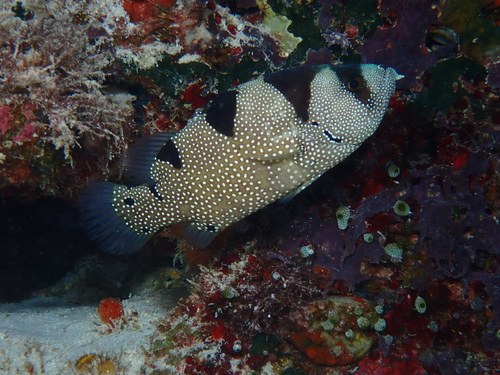
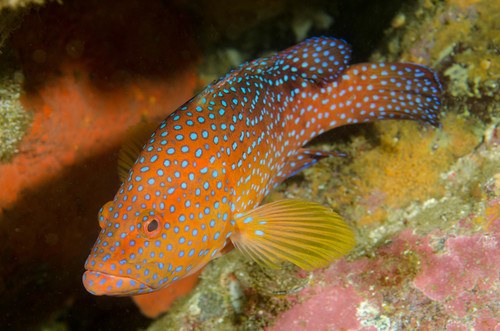
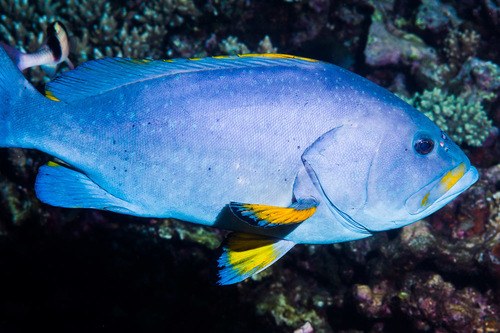
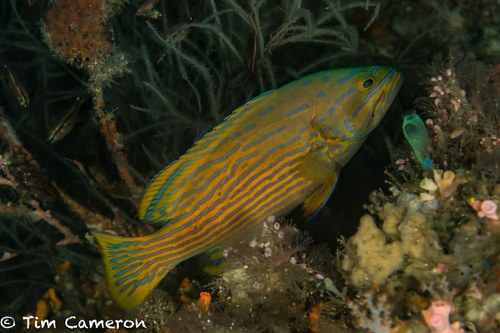
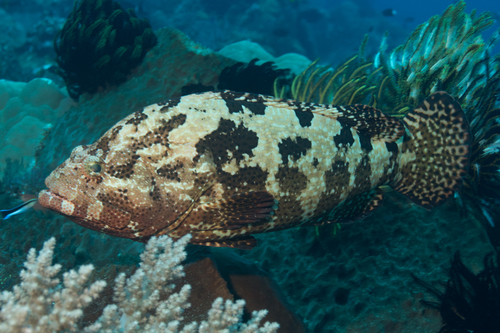
The Hybrid Grouper, a remarkable fusion of Epinephelus fuscoguttatus and Epinephelus lanceolatus, showcases a blend of strength and beauty. This marine fish is predominantly found in the coral reefs of the Indo-Pacific region, thriving in warm, shallow waters. Its striking coloration features intricate patterns of dark spots and stripes, making it a captivating addition to any aquarium. As it matures, the hybrid can display a range of hues, from deep blues to rich greens, complemented by its robust body structure.
This species is known for its active behavior and inquisitive nature, often showcasing territorial instincts common among groupers. They are social fish, usually found in pairs or small groups, and can often be seen hunting in the crevices of coral reefs. Their diet primarily consists of smaller fish and crustaceans, making them formidable predators within their ecosystem. The Hybrid Grouper plays a crucial role in maintaining the balance of marine life, controlling prey populations and contributing to the health of coral reef environments.
In terms of habitat, the Hybrid Grouper prefers rocky and coral reef areas where it can easily find shelter and hunting grounds. They are typically found at depths ranging from 5 to 50 meters, where the water is clear and abundant with marine life. Their adaptability to various reef environments underscores their importance within the aquatic community, as they contribute to both ecological diversity and resilience.
Overall, the Hybrid Grouper is not just a visually stunning species, but also an essential player in its natural habitat, making it a desirable choice for aquarium enthusiasts and professionals alike.
This species is known for its active behavior and inquisitive nature, often showcasing territorial instincts common among groupers. They are social fish, usually found in pairs or small groups, and can often be seen hunting in the crevices of coral reefs. Their diet primarily consists of smaller fish and crustaceans, making them formidable predators within their ecosystem. The Hybrid Grouper plays a crucial role in maintaining the balance of marine life, controlling prey populations and contributing to the health of coral reef environments.
In terms of habitat, the Hybrid Grouper prefers rocky and coral reef areas where it can easily find shelter and hunting grounds. They are typically found at depths ranging from 5 to 50 meters, where the water is clear and abundant with marine life. Their adaptability to various reef environments underscores their importance within the aquatic community, as they contribute to both ecological diversity and resilience.
Overall, the Hybrid Grouper is not just a visually stunning species, but also an essential player in its natural habitat, making it a desirable choice for aquarium enthusiasts and professionals alike.
When caring for the Hybrid Grouper, it is crucial to maintain optimal water parameters to ensure their well-being. The ideal temperature range for this species is between 24°C to 28°C, with a salinity level of 1.020 to 1.025 ppt. pH levels should be kept between 8.1 and 8.4. Providing a spacious tank of at least 300 liters is recommended to allow for adequate swimming space and territorial behavior.
Feeding the Hybrid Grouper involves a varied diet consisting of high-quality marine pellets, frozen or live foods such as shrimp, and small fish. Regular feeding, ideally two to three times a day, will help maintain their health and vibrancy. Compatibility is generally favorable with larger fish, but caution should be exercised around smaller species due to their predatory nature.
Acclimation should be done slowly over several hours to reduce stress, ideally using the drip acclimation method. Quarantine new arrivals for at least two weeks to monitor for diseases and ensure they are healthy before introducing them to a display tank. This hybrid species, when properly cared for, can thrive in an aquarium setting and provide a stunning focal point for marine collections.
Feeding the Hybrid Grouper involves a varied diet consisting of high-quality marine pellets, frozen or live foods such as shrimp, and small fish. Regular feeding, ideally two to three times a day, will help maintain their health and vibrancy. Compatibility is generally favorable with larger fish, but caution should be exercised around smaller species due to their predatory nature.
Acclimation should be done slowly over several hours to reduce stress, ideally using the drip acclimation method. Quarantine new arrivals for at least two weeks to monitor for diseases and ensure they are healthy before introducing them to a display tank. This hybrid species, when properly cared for, can thrive in an aquarium setting and provide a stunning focal point for marine collections.
The Hybrid Grouper is suitable for shipping under controlled conditions. During transit, they should be packed in robust, insulated containers with ample oxygen supply and water temperature maintained between 24°C and 28°C. It is recommended to limit packing density to minimize stress. This species is not listed under CITES, but it is essential to adhere to local regulations regarding marine life export.
Species Parameters
Max Adult Size
70.0 cm
Origin
Indo-Pacific
Habitat
reef
Diet
carnivore
Temp Min
24.0 °C
Temp Max
28.0 °C
Salinity Min
1.020
Salinity Max
1.025
pH Min
8.10
pH Max
8.40
Min Tank
300 L