Zebra Lionfish
Dendrochirus zebra
In Stock
Occasional stock
Wild Caught
Moderate care
With Caution
SKU: D160
The Zebra Lionfish boasts striking stripes and captivating behavior, making it a sought-after marine specimen.
Pricing for Verified Importers
Log in to see wholesale prices and order.
Export Size
up to 30.0 cm
Origin
Indo-Pacific
Temperature
24.0–28.0°C
Min. Tank Size
200 L
Salinity
1.020–1.025 ppt
pH
8.10–8.40
Diet
carnivore
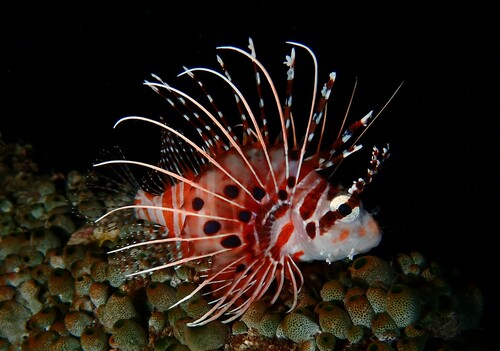
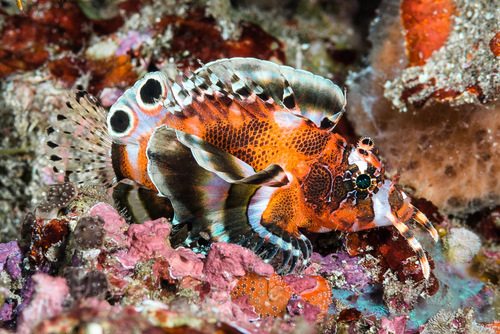
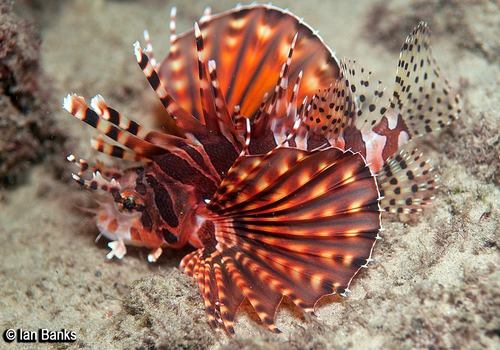
The Zebra Lionfish (Dendrochirus zebra) is a stunning marine fish known for its unique zebra-like stripes and elaborate fin structure. This species typically displays a pattern of alternating dark and light bands, making it visually striking in any aquarium setting. Native to the Indo-Pacific region, particularly around the Coral Triangle, the Zebra Lionfish is a master of camouflage and can often be found among rocky outcrops and coral reefs, where it hunts for prey.
In terms of behavior, the Zebra Lionfish is a solitary predator that exhibits a calm demeanor. It primarily feeds on small fish and invertebrates, utilizing its impressive fin display to create an illusion of size and confuse potential prey. When threatened, it can also utilize its venomous spines for defense, making it a fascinating yet potentially hazardous species for aquarists to handle. Despite its intimidating appearance, the Zebra Lionfish is a low-maintenance species that can adapt well to aquarium life.
Habitat-wise, the Zebra Lionfish is commonly found at depths ranging from 1 to 50 meters, preferring warm, shallow waters where coral reefs thrive. Its natural environment contributes significantly to its dietary habits, as it hunts in crevices and among coral formations. This species is not only a vital part of its ecosystem but also serves as an indicator of reef health, making its conservation essential as coral reefs face increasing threats.
Overall, the Zebra Lionfish's striking appearance and unique behaviors make it a popular choice among aquarium enthusiasts and wholesalers alike. Its ability to thrive in a controlled environment while offering an exotic touch to any aquarium setting highlights its appeal in the marine fish market.
In terms of behavior, the Zebra Lionfish is a solitary predator that exhibits a calm demeanor. It primarily feeds on small fish and invertebrates, utilizing its impressive fin display to create an illusion of size and confuse potential prey. When threatened, it can also utilize its venomous spines for defense, making it a fascinating yet potentially hazardous species for aquarists to handle. Despite its intimidating appearance, the Zebra Lionfish is a low-maintenance species that can adapt well to aquarium life.
Habitat-wise, the Zebra Lionfish is commonly found at depths ranging from 1 to 50 meters, preferring warm, shallow waters where coral reefs thrive. Its natural environment contributes significantly to its dietary habits, as it hunts in crevices and among coral formations. This species is not only a vital part of its ecosystem but also serves as an indicator of reef health, making its conservation essential as coral reefs face increasing threats.
Overall, the Zebra Lionfish's striking appearance and unique behaviors make it a popular choice among aquarium enthusiasts and wholesalers alike. Its ability to thrive in a controlled environment while offering an exotic touch to any aquarium setting highlights its appeal in the marine fish market.
When caring for Zebra Lionfish, maintaining optimal water parameters is crucial for their health. Ideal temperature ranges from 24°C to 28°C, with a salinity of 1.020 to 1.025 ppt. The pH should be kept between 8.1 and 8.4, ensuring stable conditions within the aquarium. Regular water changes and filtration will help maintain quality.
Feeding should consist of a carnivorous diet; they thrive on a variety of frozen foods such as shrimp, small fish, and other meaty offerings. It's best to feed them several small meals daily rather than one large feeding to prevent overfeeding. Compatibility with other species is moderate; while they can coexist with larger fish, smaller tank mates may become prey. Care should be taken to avoid aggressive species that might harass them.
Acclimation is essential when introducing Zebra Lionfish to a new environment. A slow drip acclimation method is recommended to minimize stress. Additionally, a quarantine period of at least two weeks is advisable before introducing them to the main aquarium to prevent the spread of potential diseases. Regular monitoring for signs of distress or illness during this period will help ensure a smooth transition.
Feeding should consist of a carnivorous diet; they thrive on a variety of frozen foods such as shrimp, small fish, and other meaty offerings. It's best to feed them several small meals daily rather than one large feeding to prevent overfeeding. Compatibility with other species is moderate; while they can coexist with larger fish, smaller tank mates may become prey. Care should be taken to avoid aggressive species that might harass them.
Acclimation is essential when introducing Zebra Lionfish to a new environment. A slow drip acclimation method is recommended to minimize stress. Additionally, a quarantine period of at least two weeks is advisable before introducing them to the main aquarium to prevent the spread of potential diseases. Regular monitoring for signs of distress or illness during this period will help ensure a smooth transition.
Zebra Lionfish are suitable for shipping, provided they are packed with care to minimize stress. The recommended packing density is one fish per 5 liters of water to ensure adequate space. They are sensitive to temperature fluctuations, so maintaining a stable temperature between 24°C and 28°C during transit is crucial. As a CITES Appendix II species, trade regulations must be observed to ensure compliance with international laws.
Species Parameters
Max Adult Size
30.0 cm
Origin
Indo-Pacific
Habitat
reef
Diet
carnivore
Temp Min
24.0 °C
Temp Max
28.0 °C
Salinity Min
1.020
Salinity Max
1.025
pH Min
8.10
pH Max
8.40
Min Tank
200 L