Barred Rabbitfish
Siganus virgatus
In Stock
Common stock
Wild Caught
Moderate care
With Caution
SKU: CB-MF-0274
The Barred Rabbitfish is a vibrant, reef-dwelling species known for its striking coloration and herbivorous diet.
Pricing for Verified Importers
Log in to see wholesale prices and order.
Export Size
up to 30.0 cm
Origin
Indo-Pacific
Temperature
24.0–28.0°C
Min. Tank Size
200 L
Salinity
30.000–35.000 ppt
pH
8.10–8.40
Diet
herbivore
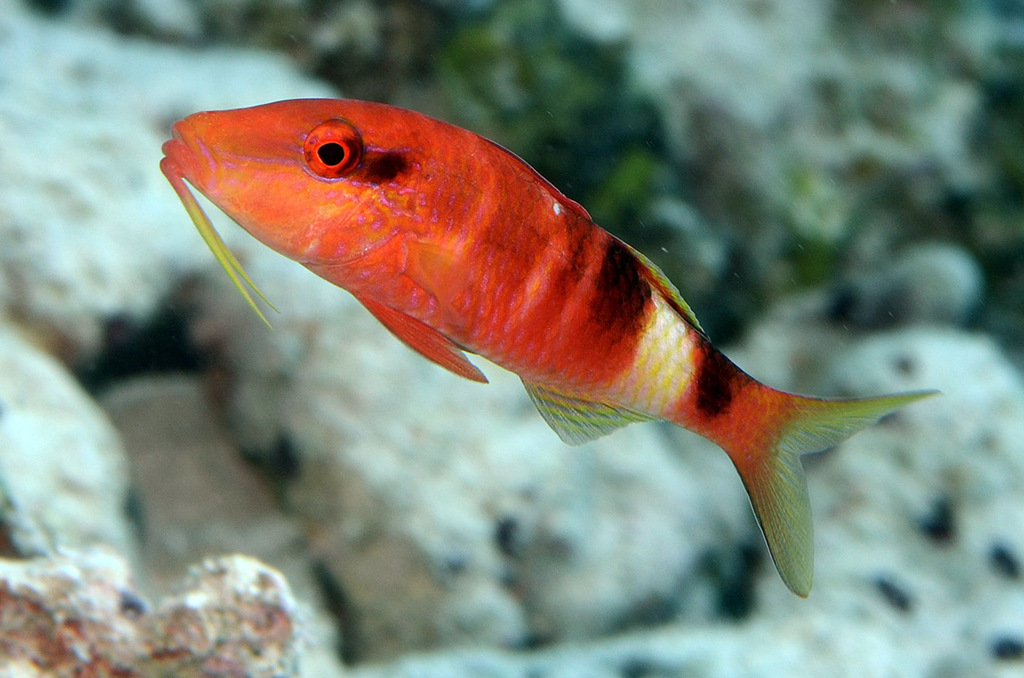
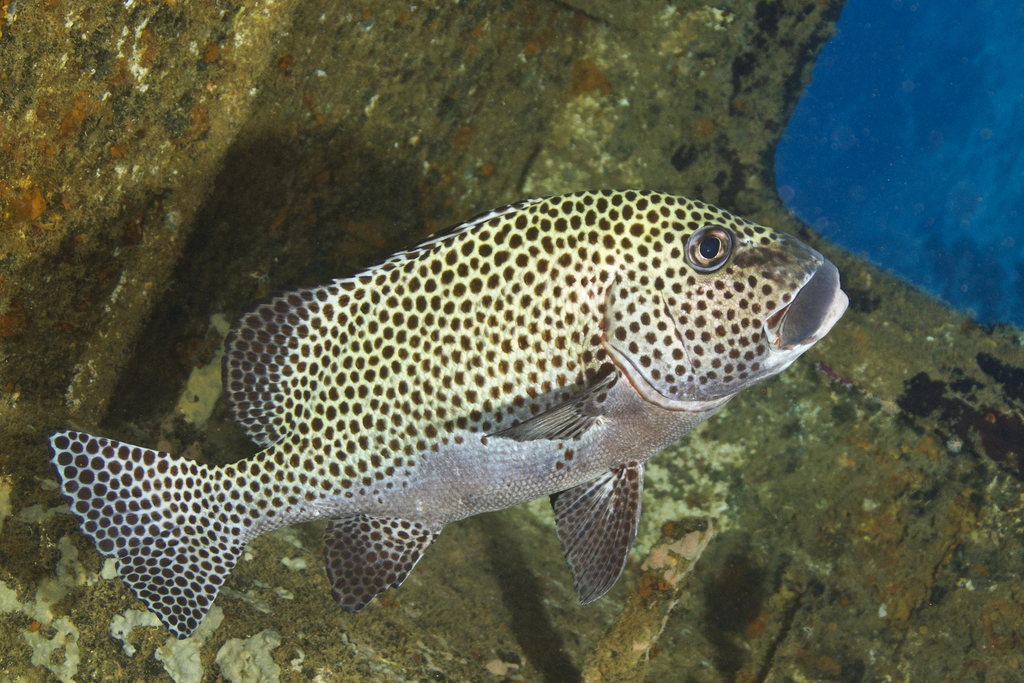
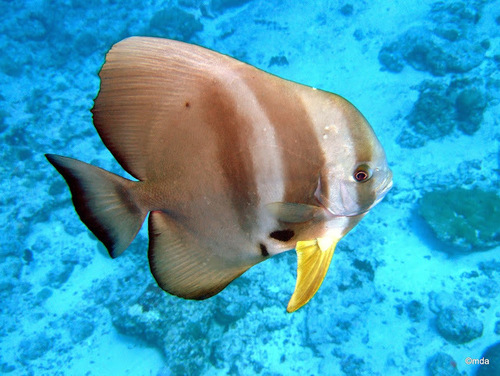
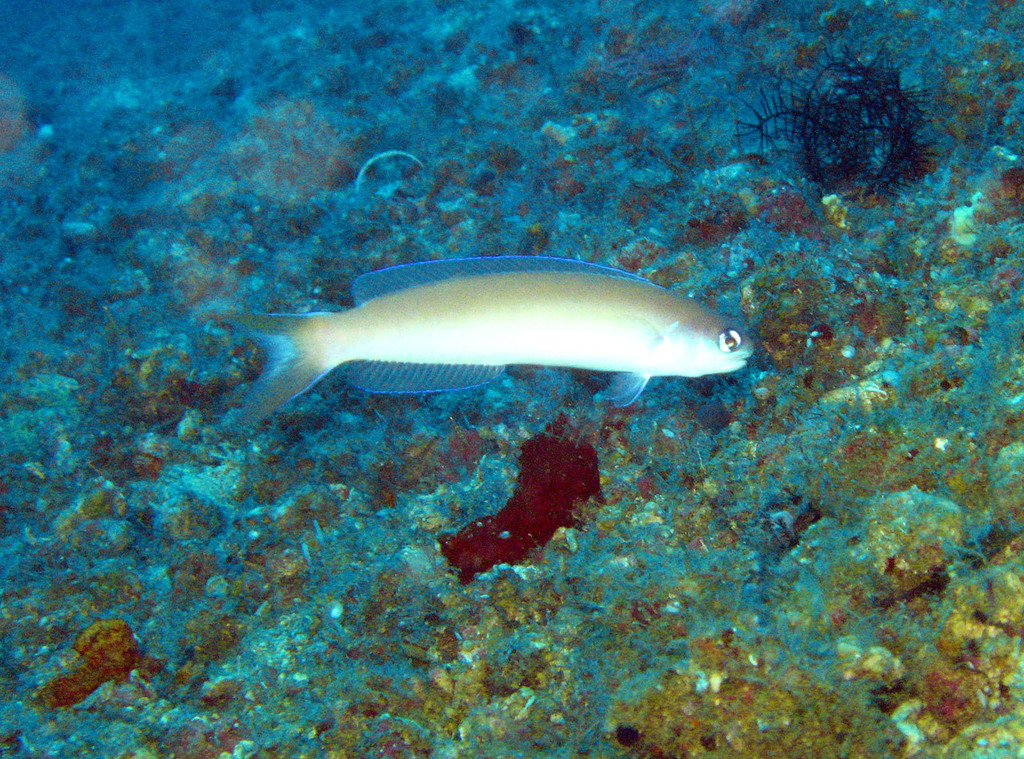
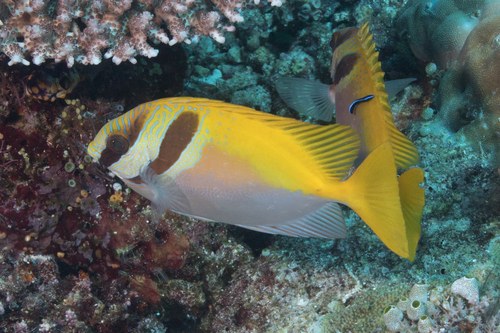
The Barred Rabbitfish, scientifically known as Siganus virgatus, is a distinctive marine fish native to the Indo-Pacific region. Characterized by its elongated body and prominent dorsal fin, this species displays a striking pattern of vertical bars against a yellowish to olive-green background. This coloration not only enhances its visual appeal but also serves as camouflage among the coral reefs where it resides. Adult Barred Rabbitfish can grow up to 30 cm in length, making them a noticeable presence in their natural habitats.
In terms of behavior, the Barred Rabbitfish is known for its peaceful nature and social tendencies, often found in small groups or pairs. They are primarily herbivorous, feeding on algae and seagrasses, which helps maintain the health of their reef ecosystems. Their grazing habits contribute to the overall balance of the marine environment, preventing algae overgrowth that can harm coral reefs. During the day, they are active foragers, while at night, they seek refuge in crevices to avoid predators.
The natural habitat of the Barred Rabbitfish includes shallow coastal waters, coral reefs, and lagoons, typically at depths of 1 to 30 meters. They prefer areas with abundant vegetation where food sources are plentiful. This species is highly adaptable and can thrive in various reef environments, making it an integral part of the marine biodiversity in its range.
Barred Rabbitfish also exhibit interesting reproductive behaviors, forming large spawning aggregations during breeding seasons. This reproductive strategy ensures greater success in fertilization and contributes to the population stability of this species. Their resilience and ecological role make them an exciting addition to any marine aquarium setup.
In terms of behavior, the Barred Rabbitfish is known for its peaceful nature and social tendencies, often found in small groups or pairs. They are primarily herbivorous, feeding on algae and seagrasses, which helps maintain the health of their reef ecosystems. Their grazing habits contribute to the overall balance of the marine environment, preventing algae overgrowth that can harm coral reefs. During the day, they are active foragers, while at night, they seek refuge in crevices to avoid predators.
The natural habitat of the Barred Rabbitfish includes shallow coastal waters, coral reefs, and lagoons, typically at depths of 1 to 30 meters. They prefer areas with abundant vegetation where food sources are plentiful. This species is highly adaptable and can thrive in various reef environments, making it an integral part of the marine biodiversity in its range.
Barred Rabbitfish also exhibit interesting reproductive behaviors, forming large spawning aggregations during breeding seasons. This reproductive strategy ensures greater success in fertilization and contributes to the population stability of this species. Their resilience and ecological role make them an exciting addition to any marine aquarium setup.
To successfully care for Barred Rabbitfish in an aquarium setting, maintaining optimal water parameters is crucial. Ideal temperature ranges from 24°C to 28°C, with a salinity level between 30-35 ppt. The pH should be maintained between 8.1 and 8.4, ensuring a stable and healthy environment. A minimum tank size of 200 liters is recommended to provide ample swimming space and suitable hiding spots.
Feeding Barred Rabbitfish requires a varied diet that includes high-quality algae-based foods, pellets, and fresh vegetables like spinach or seaweed. A herbivorous diet is essential for their health, and they should be fed at least once or twice daily. Compatibility-wise, they are generally peaceful and can coexist with other reef-safe species, although care should be taken when introducing them to aggressive tank mates.
Acclimation is critical for this species, and it is advisable to use a slow drip method to help reduce stress during the transition to a new environment. A quarantine period of at least two weeks is recommended to monitor for any signs of disease or stress before introducing them to the main display tank. Regular water changes and proper filtration will further enhance their living conditions.
Feeding Barred Rabbitfish requires a varied diet that includes high-quality algae-based foods, pellets, and fresh vegetables like spinach or seaweed. A herbivorous diet is essential for their health, and they should be fed at least once or twice daily. Compatibility-wise, they are generally peaceful and can coexist with other reef-safe species, although care should be taken when introducing them to aggressive tank mates.
Acclimation is critical for this species, and it is advisable to use a slow drip method to help reduce stress during the transition to a new environment. A quarantine period of at least two weeks is recommended to monitor for any signs of disease or stress before introducing them to the main display tank. Regular water changes and proper filtration will further enhance their living conditions.
Barred Rabbitfish are suitable for shipping due to their adaptability, but care must be taken during transport. They should be packed in oxygenated bags with appropriate water conditions and at a density that allows for adequate movement. Temperature should be kept stable, ideally between 24°C and 28°C, to minimize stress. This species is not listed under CITES, making them easier to export for wholesale purposes.
Species Parameters
Max Adult Size
30.0 cm
Origin
Indo-Pacific
Diet
herbivore
Temp Min
24.0 °C
Temp Max
28.0 °C
Salinity Min
30.000
Salinity Max
35.000
pH Min
8.10
pH Max
8.40
Min Tank
200 L