Bicolor goatfish
parupeneus barberinoides
In Stock
Common stock
Wild Caught
Moderate care
With Caution
SKU: ML-MF-0317
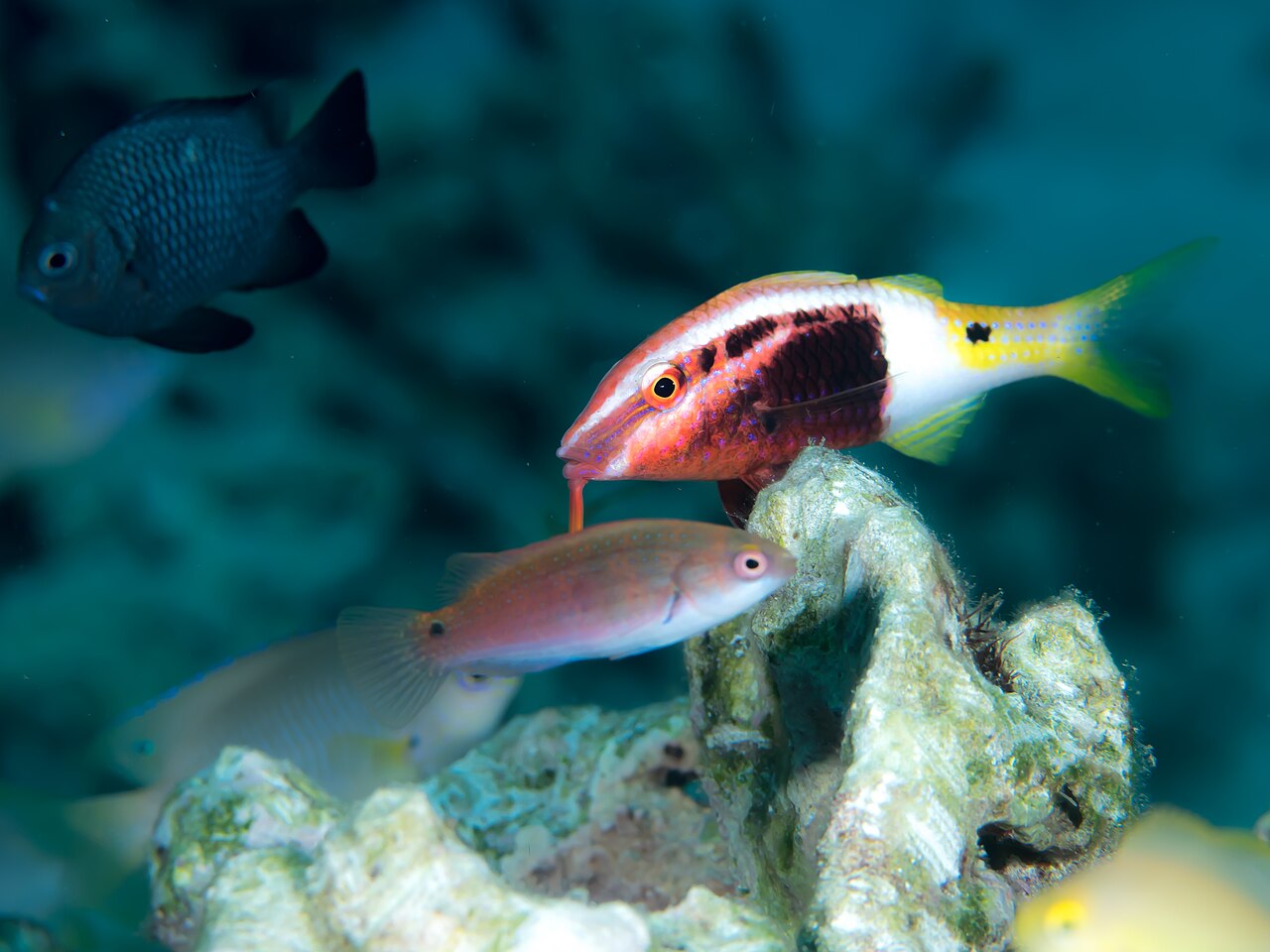
The Bicolor goatfish is a vibrant marine species known for its striking coloration and unique foraging behavior.
Pricing for Verified Importers
Log in to see wholesale prices and order.
Export Size
up to 30.0 cm
Origin
Indo-Pacific
Temperature
24.0–28.0°C
Min. Tank Size
200 L
Salinity
30.000–35.000 ppt
pH
8.10–8.40
Diet
carnivore
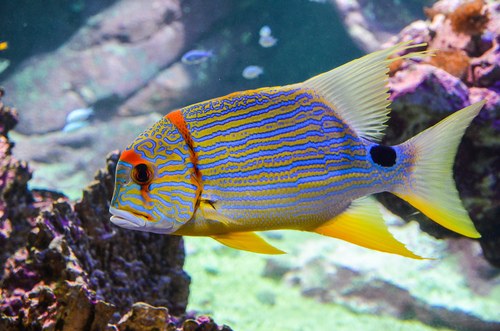
The Bicolor goatfish (Parupeneus barberinoides) is a striking marine fish native to the tropical waters of the Indo-Pacific region. This species is characterized by its distinctive coloration, featuring a vibrant yellow body with a contrasting bright pinkish hue towards the head. The Bicolor goatfish is known for its elongated body and two prominent barbels on its chin, which it uses to probe the sandy substrate for food. Adult specimens can reach a maximum length of about 30 cm, making them a visually appealing addition to any marine aquarium.
In terms of behavior, Bicolor goatfish are social creatures that often form small groups, foraging together in search of small crustaceans, worms, and other benthic invertebrates. They are known for their unique feeding technique, which involves using their barbels to sift through sand and uncover hidden prey. This behavior not only enhances their foraging efficiency but also adds a dynamic and engaging aspect to their presence in an aquarium setting.
Bicolor goatfish inhabit various reef environments, from shallow lagoons to deeper reef slopes, often found in sandy or rubble substrates. They thrive in warm, clear waters and are typically seen swimming in schools, which provides both protection from predators and social interaction. Their natural habitat contributes to their vibrant coloration and active lifestyle, making them a popular choice among marine aquarists looking to replicate the beauty of coral reefs in captivity.
Overall, the Bicolor goatfish is not only a feast for the eyes but also a fascinating species that adds both color and life to marine aquariums. Their unique behaviors and social nature make them a delightful choice for both novice and experienced aquarists alike.
In terms of behavior, Bicolor goatfish are social creatures that often form small groups, foraging together in search of small crustaceans, worms, and other benthic invertebrates. They are known for their unique feeding technique, which involves using their barbels to sift through sand and uncover hidden prey. This behavior not only enhances their foraging efficiency but also adds a dynamic and engaging aspect to their presence in an aquarium setting.
Bicolor goatfish inhabit various reef environments, from shallow lagoons to deeper reef slopes, often found in sandy or rubble substrates. They thrive in warm, clear waters and are typically seen swimming in schools, which provides both protection from predators and social interaction. Their natural habitat contributes to their vibrant coloration and active lifestyle, making them a popular choice among marine aquarists looking to replicate the beauty of coral reefs in captivity.
Overall, the Bicolor goatfish is not only a feast for the eyes but also a fascinating species that adds both color and life to marine aquariums. Their unique behaviors and social nature make them a delightful choice for both novice and experienced aquarists alike.
To maintain the health and vibrancy of Bicolor goatfish, importers and retailers should ensure optimal water parameters. Ideal temperature ranges between 24°C and 28°C, with a salinity of 30-35 ppt. The pH should be maintained between 8.1 and 8.4. A minimum tank size of 200 liters is recommended to provide ample swimming space and reduce stress.
Feeding Bicolor goatfish is relatively straightforward, as they are carnivorous in nature. A varied diet consisting of high-quality marine pellets, frozen or live foods such as shrimp and worms will keep them healthy and thriving. It's essential to provide multiple feedings throughout the day to mimic their natural foraging behavior and support their active lifestyle.
Compatibility-wise, Bicolor goatfish are generally peaceful and can coexist with a variety of marine species. However, caution should be taken when introducing them to aggressive tank mates. Acclimation should be done slowly to minimize stress; floating the sealed bag in the aquarium for 15-20 minutes before releasing them is advisable. Quarantine for at least two weeks is recommended to monitor for any signs of disease and ensure the health of the fish before introducing them to the main display tank.
Feeding Bicolor goatfish is relatively straightforward, as they are carnivorous in nature. A varied diet consisting of high-quality marine pellets, frozen or live foods such as shrimp and worms will keep them healthy and thriving. It's essential to provide multiple feedings throughout the day to mimic their natural foraging behavior and support their active lifestyle.
Compatibility-wise, Bicolor goatfish are generally peaceful and can coexist with a variety of marine species. However, caution should be taken when introducing them to aggressive tank mates. Acclimation should be done slowly to minimize stress; floating the sealed bag in the aquarium for 15-20 minutes before releasing them is advisable. Quarantine for at least two weeks is recommended to monitor for any signs of disease and ensure the health of the fish before introducing them to the main display tank.
Bicolor goatfish are suitable for shipping, but careful attention must be paid to packing density and temperature. It is recommended to ship them in well-oxygenated bags with adequate water volume to minimize stress. The ideal shipping temperature is between 24°C and 26°C. Importers should ensure compliance with CITES regulations, as this species is not currently listed but is subject to monitoring due to its popularity in the aquarium trade.
Species Parameters
Max Adult Size
30.0 cm
Origin
Indo-Pacific
Diet
carnivore
Temp Min
24.0 °C
Temp Max
28.0 °C
Salinity Min
30.000
Salinity Max
35.000
pH Min
8.10
pH Max
8.40
Min Tank
200 L