
Red bigeye
priacanthus macracanthus
In Stock
Common stock
Wild Caught
Moderate care
With Caution
SKU: ML-MF-0181
The Red Bigeye is a vibrant marine fish known for its striking appearance and lively behavior.
Pricing for Verified Importers
Log in to see wholesale prices and order.
Export Size
up to 20.0 cm
Origin
Indo-Pacific
Temperature
24.0–28.0°C
Min. Tank Size
200 L
Salinity
30.000–35.000 ppt
pH
8.10–8.40
Diet
carnivore
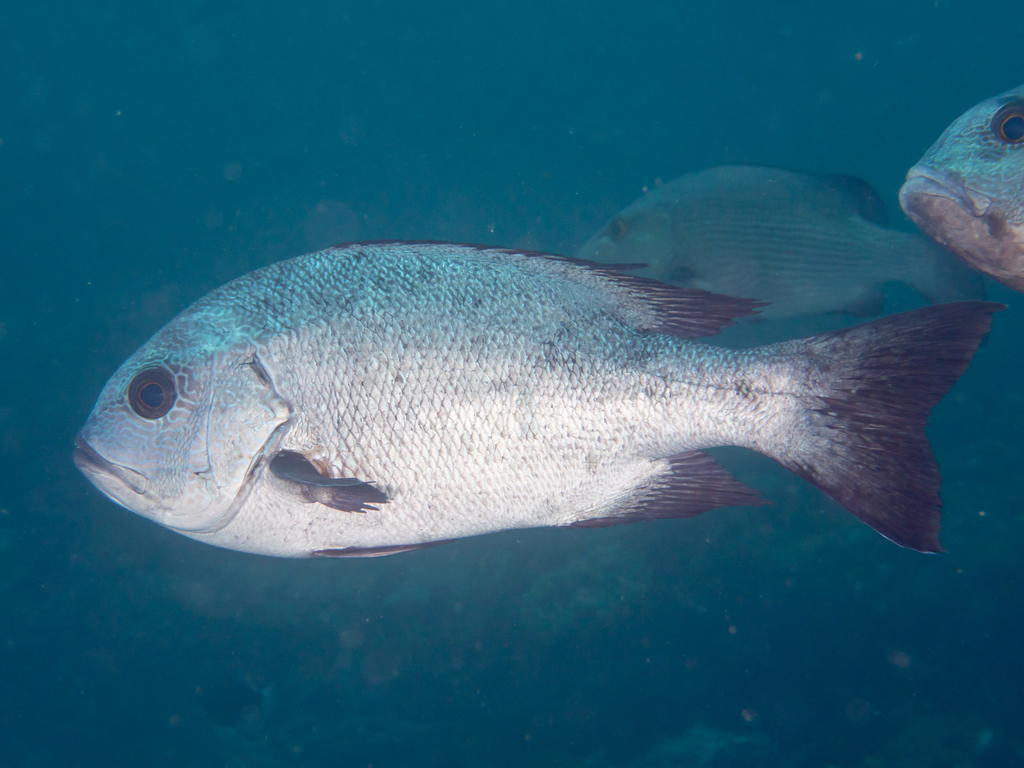
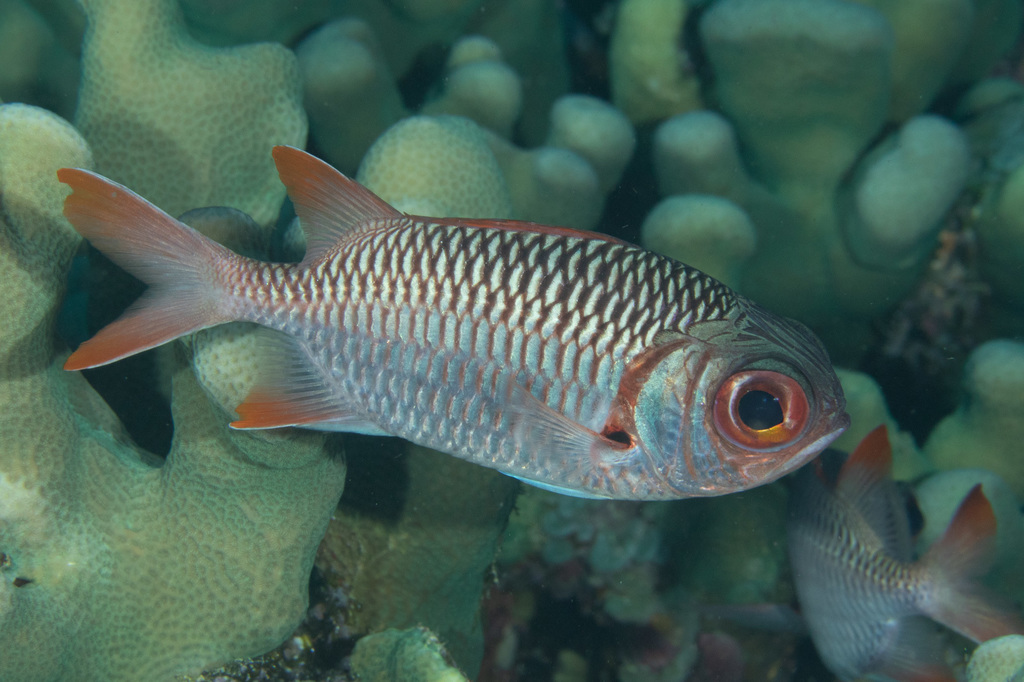
The Red Bigeye, scientifically known as Priacanthus macracanthus, is a captivating marine fish species native to the coral reefs of the Indo-Pacific region. This species is characterized by its bright red coloration, which serves as both a visual spectacle and a camouflage mechanism amidst the vibrant hues of its reef habitat. With large, prominent eyes that give it its name, this fish is well-adapted for low-light conditions often found in deeper coral environments.
In terms of natural behavior, the Red Bigeye is primarily nocturnal, emerging from its hiding spots at dusk to forage for food. Its diet mainly consists of small crustaceans and zooplankton, which it skillfully hunts using its acute vision. The Red Bigeye tends to be a social fish, often found in small groups, which helps reduce predation risk while they search for food. Their dynamic swimming patterns and curious nature make them a fascinating species for observation in aquariums.
Habitat-wise, the Red Bigeye thrives in tropical coral reef ecosystems, typically inhabiting depths ranging from 20 to 120 meters. They prefer areas with ample hiding spots, such as crevices and overhangs, providing them safety from larger predators. The health of their coral reef environment is crucial for their survival, as it offers not only food but also breeding grounds.
Overall, the Red Bigeye is an attractive addition to any marine aquarium, bringing vibrant color and lively behavior that will engage both hobbyists and aquarium visitors alike.
In terms of natural behavior, the Red Bigeye is primarily nocturnal, emerging from its hiding spots at dusk to forage for food. Its diet mainly consists of small crustaceans and zooplankton, which it skillfully hunts using its acute vision. The Red Bigeye tends to be a social fish, often found in small groups, which helps reduce predation risk while they search for food. Their dynamic swimming patterns and curious nature make them a fascinating species for observation in aquariums.
Habitat-wise, the Red Bigeye thrives in tropical coral reef ecosystems, typically inhabiting depths ranging from 20 to 120 meters. They prefer areas with ample hiding spots, such as crevices and overhangs, providing them safety from larger predators. The health of their coral reef environment is crucial for their survival, as it offers not only food but also breeding grounds.
Overall, the Red Bigeye is an attractive addition to any marine aquarium, bringing vibrant color and lively behavior that will engage both hobbyists and aquarium visitors alike.
For importers and retailers, maintaining optimal conditions for the Red Bigeye is essential for ensuring their health and well-being. The ideal water temperature for this species ranges between 24°C to 28°C, with a salinity level of 30-35 ppt, mimicking their natural reef habitat. The pH should be maintained between 8.1 and 8.4. Regular water quality testing is crucial to prevent any shifts that could stress the fish.
Feeding the Red Bigeye requires a diet rich in protein, given their carnivorous nature. High-quality frozen or live foods such as brine shrimp, mysis shrimp, and small fish are recommended. It is also beneficial to supplement their diet with marine-based pellets to ensure they receive all necessary nutrients. The Red Bigeye is generally peaceful but can exhibit territorial behavior, especially during breeding. Therefore, it’s advisable to keep them with other non-aggressive species in a suitably sized aquarium.
Acclimation is a vital process for the Red Bigeye, requiring a slow introduction to their new environment to minimize stress. A quarantine period of at least two weeks is recommended to monitor for any signs of illness before introducing them to a display tank. This careful management will help ensure a successful acclimation and long-term health for the fish.
Feeding the Red Bigeye requires a diet rich in protein, given their carnivorous nature. High-quality frozen or live foods such as brine shrimp, mysis shrimp, and small fish are recommended. It is also beneficial to supplement their diet with marine-based pellets to ensure they receive all necessary nutrients. The Red Bigeye is generally peaceful but can exhibit territorial behavior, especially during breeding. Therefore, it’s advisable to keep them with other non-aggressive species in a suitably sized aquarium.
Acclimation is a vital process for the Red Bigeye, requiring a slow introduction to their new environment to minimize stress. A quarantine period of at least two weeks is recommended to monitor for any signs of illness before introducing them to a display tank. This careful management will help ensure a successful acclimation and long-term health for the fish.
When shipping Red Bigeyes, it is crucial to maintain stable temperatures between 24°C to 28°C to avoid stress during transport. Packing density should be moderate to allow for adequate oxygenation. The species is not listed under CITES, simplifying export regulations. Proper ventilation within shipping bags is also essential to ensure the fish arrive in optimal condition.
Species Parameters
Max Adult Size
20.0 cm
Origin
Indo-Pacific
Diet
carnivore
Temp Min
24.0 °C
Temp Max
28.0 °C
Salinity Min
30.000
Salinity Max
35.000
pH Min
8.10
pH Max
8.40
Min Tank
200 L