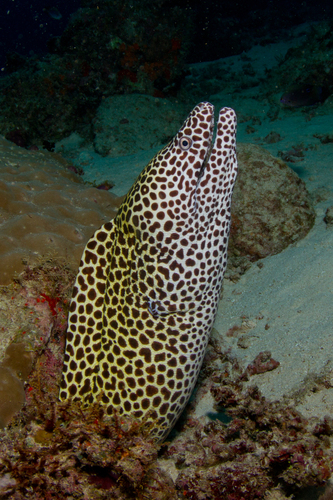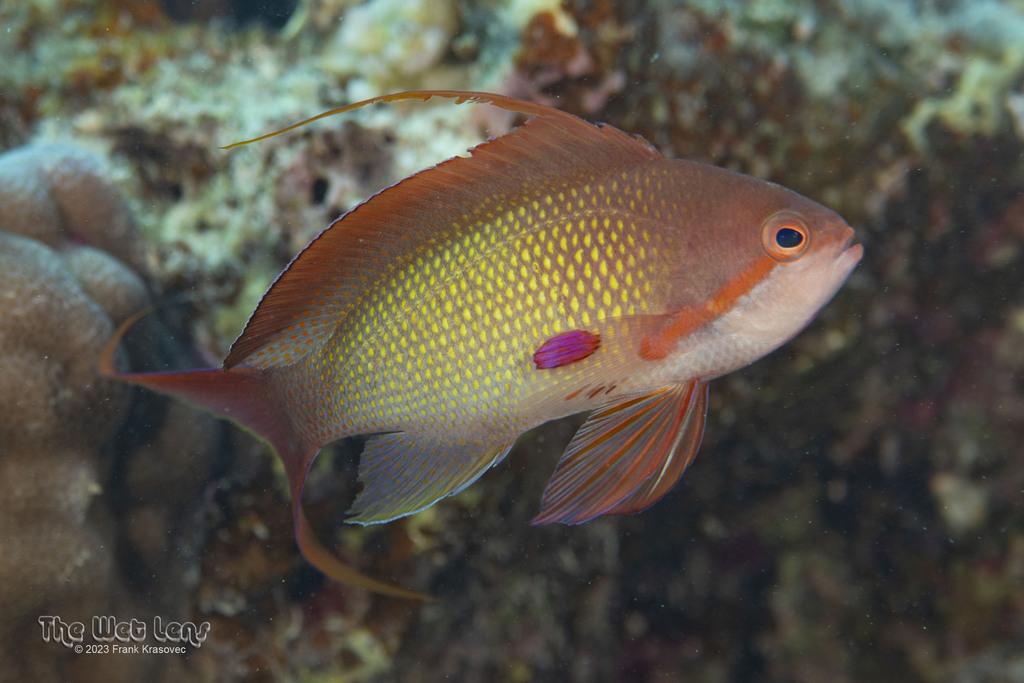
Flame anthias/Madder Seaperch Anthias /Padang
pseudanthias ignitus / pseudoanthias dispar
In Stock
Common stock
Wild Caught
Moderate care
With Caution
SKU: ML-MF-0580
The Flame Anthias is a vibrant marine fish, known for its striking colors and dynamic schooling behavior.
Pricing for Verified Importers
Log in to see wholesale prices and order.
Export Size
up to 10.0 cm
Origin
Indo-Pacific
Temperature
24.0–28.0°C
Min. Tank Size
200 L
Salinity
1.020–1.025 ppt
pH
8.10–8.40
Diet
carnivore
The Flame Anthias, scientifically known as Pseudanthias ignitus and Pseudoanthias dispar, is a stunning marine fish that captivates aquarists with its vibrant hues and lively nature. Native to the coral reefs of the Indo-Pacific region, these fish display a brilliant palette of orange, pink, and yellow, making them a favorite among aquarium enthusiasts. Their striking coloration is a result of their natural habitat, where they thrive amongst the colorful corals and diverse marine life.
In the wild, Flame Anthias are often found in small groups, inhabiting the upper regions of coral reefs. They are known for their buoyant swimming style and social behavior, often seen darting in and out of the reef structures as they feed on zooplankton and small crustaceans. This schooling behavior not only provides safety in numbers but also enhances their vibrant display, creating a mesmerizing spectacle that is a joy to observe.
Flame Anthias are relatively small, typically reaching a maximum size of around 10 cm. Males display more vivid colors and are larger than females, who tend to exhibit more subdued shades. Their attractive appearance, combined with their active demeanor, makes them a sought-after species for reef aquariums, where they can add a burst of color and movement.
These fish are not only beautiful but also play an important role in their ecosystem, helping to maintain the health of coral reefs by controlling plankton populations. Their presence is essential for a balanced marine environment, making them a valuable species for both aquarists and conservationists alike.
In the wild, Flame Anthias are often found in small groups, inhabiting the upper regions of coral reefs. They are known for their buoyant swimming style and social behavior, often seen darting in and out of the reef structures as they feed on zooplankton and small crustaceans. This schooling behavior not only provides safety in numbers but also enhances their vibrant display, creating a mesmerizing spectacle that is a joy to observe.
Flame Anthias are relatively small, typically reaching a maximum size of around 10 cm. Males display more vivid colors and are larger than females, who tend to exhibit more subdued shades. Their attractive appearance, combined with their active demeanor, makes them a sought-after species for reef aquariums, where they can add a burst of color and movement.
These fish are not only beautiful but also play an important role in their ecosystem, helping to maintain the health of coral reefs by controlling plankton populations. Their presence is essential for a balanced marine environment, making them a valuable species for both aquarists and conservationists alike.
When importing and caring for Flame Anthias, it's crucial to maintain optimal water parameters to ensure their health and well-being. Ideal water temperature ranges from 24°C to 28°C, with a salinity level between 1.020 and 1.025 ppt. The pH should be kept between 8.1 and 8.4 to mimic their natural reef environment. A minimum tank size of 200 liters is recommended to provide ample swimming space and to accommodate their social nature.
Flame Anthias are carnivores that require a varied diet to thrive. They should be fed high-quality flakes, pellets, and live or frozen foods such as brine shrimp and mysis shrimp. Regular feeding, ideally several times a day, will help maintain their vibrant colors and active behavior. It's important to introduce them to the tank gradually to reduce stress, and they should be acclimated using the drip method over several hours.
Compatibility is key when housing Flame Anthias; they do best in a community tank with other peaceful species. Avoid housing them with aggressive fish that may outcompete them for food or territory. Quarantine new arrivals for at least two weeks to prevent the introduction of diseases into the main aquarium. Monitoring water quality regularly is essential, as these fish are sensitive to poor water conditions.
Flame Anthias are carnivores that require a varied diet to thrive. They should be fed high-quality flakes, pellets, and live or frozen foods such as brine shrimp and mysis shrimp. Regular feeding, ideally several times a day, will help maintain their vibrant colors and active behavior. It's important to introduce them to the tank gradually to reduce stress, and they should be acclimated using the drip method over several hours.
Compatibility is key when housing Flame Anthias; they do best in a community tank with other peaceful species. Avoid housing them with aggressive fish that may outcompete them for food or territory. Quarantine new arrivals for at least two weeks to prevent the introduction of diseases into the main aquarium. Monitoring water quality regularly is essential, as these fish are sensitive to poor water conditions.
Flame Anthias are suitable for shipping due to their hardiness, but care must be taken to maintain proper conditions during transit. Packing density should be moderate to avoid stress, and temperatures should be kept stable between 24°C and 26°C. It is advisable to use insulated boxes with oxygen supplementation for longer shipping durations. The species is not listed under CITES, making it easier for exporters and importers to handle.
Species Parameters
Max Adult Size
10.0 cm
Origin
Indo-Pacific
Diet
carnivore
Temp Min
24.0 °C
Temp Max
28.0 °C
Salinity Min
1.020
Salinity Max
1.025
pH Min
8.10
pH Max
8.40
Min Tank
200 L