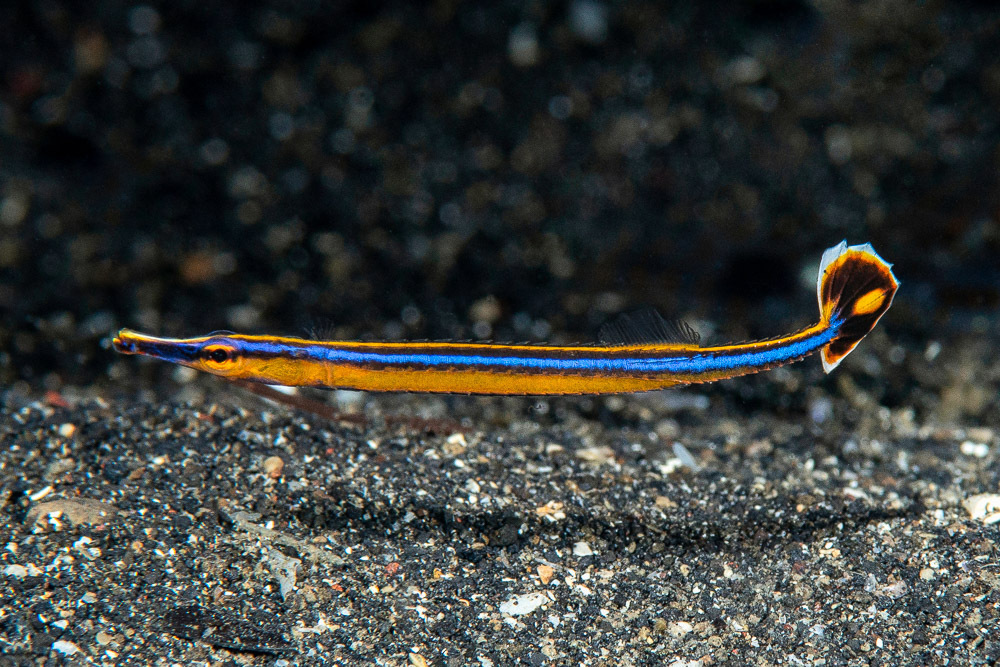
Honshu pipefish
doryrhamphus japonicus
In Stock
Common stock
Wild Caught
Moderate care
With Caution
SKU: ML-MF-0245
The Honshu pipefish is a fascinating marine species known for its unique shape and behavior.
Pricing for Verified Importers
Log in to see wholesale prices and order.
Export Size
up to 15.0 cm
Origin
Indo-Pacific
Temperature
22.0–26.0°C
Min. Tank Size
100 L
Salinity
30.000–35.000 ppt
pH
7.80–8.40
Diet
carnivore
The Honshu pipefish (Doryrhamphus japonicus) is a captivating marine species native to the temperate waters of East Asia, particularly around Japan and the coasts of Bali, Indonesia. This slender fish is characterized by its elongated body and elongated snout, which closely resembles that of a seahorse. Their coloration can vary, often featuring a combination of greens and browns, which allows them to blend seamlessly with their surroundings, providing excellent camouflage against predators.
In terms of behavior, Honshu pipefish are known for their unique reproductive strategy. Males are equipped with a brood pouch, much like seahorses, where females deposit their eggs. The males then carry the fertilized eggs until they hatch, showcasing a fascinating example of parental care in the aquatic world. They are generally found in shallow coastal waters, often associating with seagrass beds and coral reefs, where they can find both shelter and food.
Honshu pipefish are also known to exhibit a shy demeanor, often remaining motionless for extended periods, which helps them avoid detection by potential predators. Their diet primarily consists of tiny crustaceans and zooplankton, which they capture using their specialized feeding mechanism. This behavior makes them an interesting species to observe in both natural habitats and controlled environments such as aquariums.
Overall, the Honshu pipefish's unique morphology and fascinating reproductive behavior make it a special addition to marine tanks, appealing to both enthusiasts and researchers alike. Their delicate nature and specific habitat requirements necessitate careful attention to ensure their health and well-being in captivity.
When caring for Honshu pipefish, it is crucial to replicate their natural habitat as closely as possible. Ideally, they thrive in a well-established marine aquarium with a minimum tank size of 100 liters to provide ample swimming space and security. The water parameters should be maintained at a temperature between 22°C and 26°C, with a salinity level of 30-35 ppt. It is also essential to keep the pH within a range of 7.8 to 8.4 for optimal health.
Feeding Honshu pipefish can be somewhat specialized, as they prefer live or frozen foods such as brine shrimp, mysis shrimp, and other small zooplankton. Regular feeding is necessary to ensure they receive adequate nutrition, and it's best to offer small portions multiple times a day. For compatibility, Honshu pipefish are generally peaceful and can be housed with other small, non-aggressive fish; however, care should be taken to avoid larger or more boisterous species that may outcompete them for food.
Acclimatization is key when introducing Honshu pipefish to a new environment. Gradual acclimatization over several hours is recommended to reduce stress. Additionally, a quarantine period of at least two weeks is advised for new arrivals to monitor for any signs of disease or stress before adding them to the main tank. Proper care and attention to their specific needs will result in a thriving population of these unique marine fish.
Honshu pipefish are moderately sensitive to temperature fluctuations, so shipping should be done in insulated boxes with appropriate heat packs or cool packs as needed. A packing density of 1-2 individuals per liter of water is recommended to minimize stress during transport. As they are not listed under CITES, there are no specific export restrictions, but compliance with local regulations is essential.
Species Parameters
Max Adult Size
15.0 cm
Origin
Indo-Pacific
Diet
carnivore
Temp Min
22.0 °C
Temp Max
26.0 °C
Salinity Min
30.000
Salinity Max
35.000
pH Min
7.80
pH Max
8.40
Min Tank
100 L