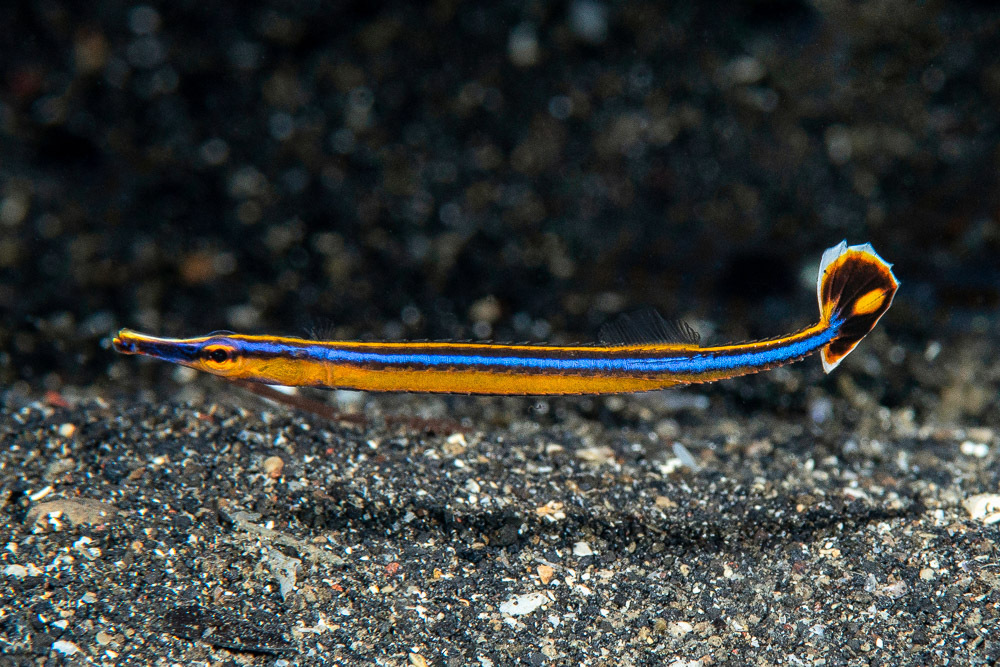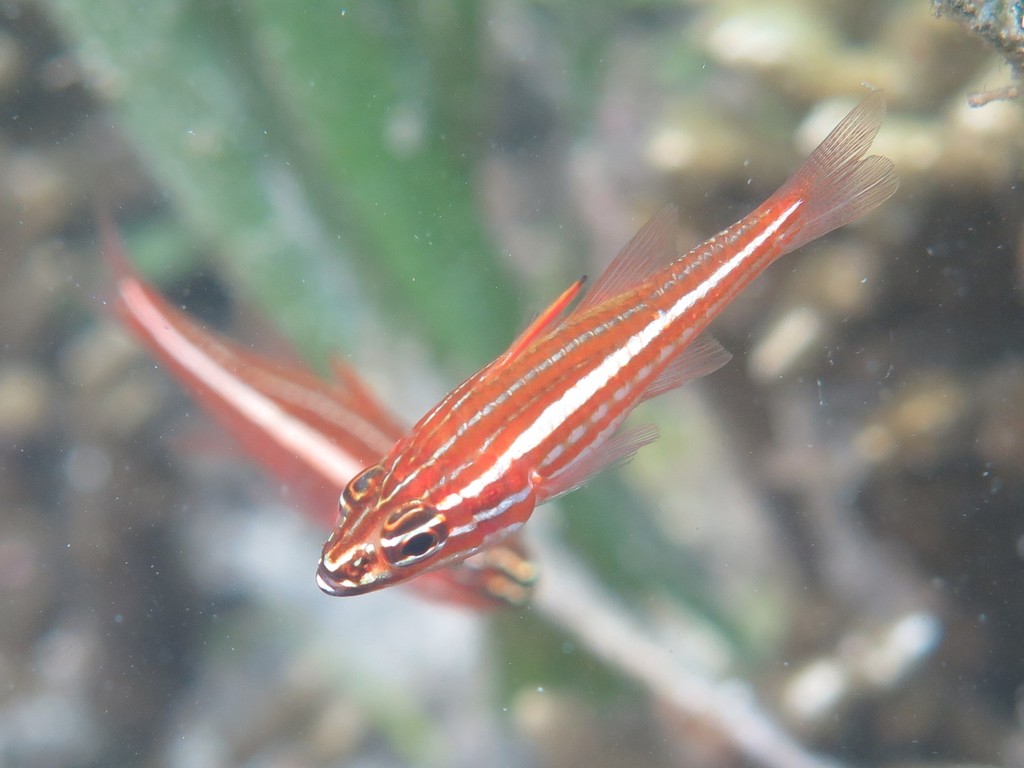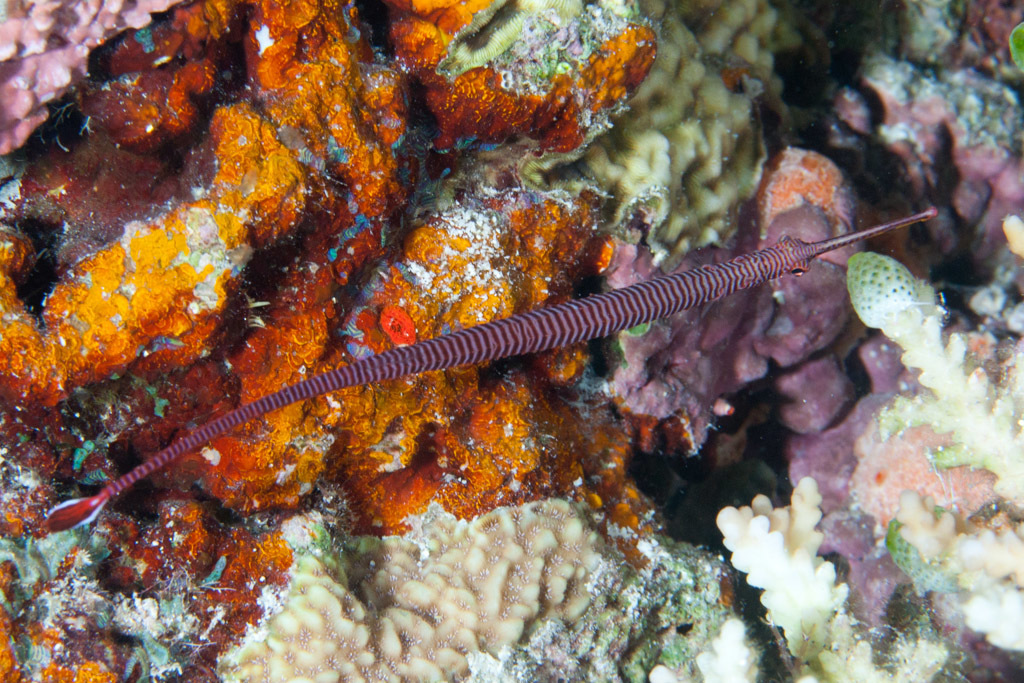
Many banded pipefish
dunckerocampus multiannulatus
In Stock
Common stock
Wild Caught
Moderate care
With Caution
SKU: ML-MF-0247
The Many banded pipefish captivates with its unique banded appearance and fascinating behaviors.
Pricing for Verified Importers
Log in to see wholesale prices and order.
Export Size
up to 15.0 cm
Origin
Coral Triangle
Temperature
24.0–28.0°C
Min. Tank Size
100 L
Salinity
30.000–35.000 ppt
pH
8.10–8.40
Diet
carnivore
The Many banded pipefish (Dunckerocampus multiannulatus) is a striking marine species found primarily in the shallow waters of the Coral Triangle. Known for its elongated, slender body adorned with distinctive bands, this pipefish can reach lengths of up to 15 cm. Its coloration typically consists of a mix of browns, greens, and yellows, which provides effective camouflage among the seagrass and coral environments it inhabits.
In terms of behavior, Many banded pipefish are known for their unique reproductive strategy. They exhibit a fascinating form of parental care, with males carrying fertilized eggs in a brood pouch until they are ready to hatch. This species is primarily found in seagrass beds and coral reefs, where it thrives in environments that offer both shelter and access to food sources.
The Many banded pipefish is generally a peaceful species, often seen hovering in a vertical position, using its elongated snout to feed on small crustaceans and plankton. They are known to form loose aggregations, which can enhance their chances of finding food while providing safety in numbers from potential predators. Their unique locomotion and the way they interact with their surroundings make them a captivating addition to any marine aquarium.
Due to their specialized habitat requirements and unique behaviors, Many banded pipefish are not just visually appealing but also ecologically significant. They play a role in the health of seagrass ecosystems, making their conservation vital in the face of habitat loss and environmental changes.
In terms of behavior, Many banded pipefish are known for their unique reproductive strategy. They exhibit a fascinating form of parental care, with males carrying fertilized eggs in a brood pouch until they are ready to hatch. This species is primarily found in seagrass beds and coral reefs, where it thrives in environments that offer both shelter and access to food sources.
The Many banded pipefish is generally a peaceful species, often seen hovering in a vertical position, using its elongated snout to feed on small crustaceans and plankton. They are known to form loose aggregations, which can enhance their chances of finding food while providing safety in numbers from potential predators. Their unique locomotion and the way they interact with their surroundings make them a captivating addition to any marine aquarium.
Due to their specialized habitat requirements and unique behaviors, Many banded pipefish are not just visually appealing but also ecologically significant. They play a role in the health of seagrass ecosystems, making their conservation vital in the face of habitat loss and environmental changes.
When caring for Many banded pipefish, it is essential to maintain stable water parameters. The ideal temperature range for this species is between 24°C and 28°C, with a salinity level between 30 and 35 ppt. pH should be kept between 8.1 and 8.4. A minimum tank size of 100 liters is recommended to ensure ample swimming space and to accommodate their social behaviors.
Feeding Many banded pipefish requires a diet rich in live or frozen foods such as small crustaceans, brine shrimp, and copepods. It is important to feed them multiple times a day in small amounts to ensure they receive adequate nutrition. Compatibility-wise, they do best in a community tank with other peaceful species; however, caution should be exercised when introducing them to potential predators.
Acclimation should be done slowly to minimize stress, ideally over several hours. Quarantine new arrivals for at least two weeks to monitor for any signs of disease before introducing them to the main tank. Providing hiding spots and stable environmental conditions will help to reduce stress and promote the health of this captivating species.
Feeding Many banded pipefish requires a diet rich in live or frozen foods such as small crustaceans, brine shrimp, and copepods. It is important to feed them multiple times a day in small amounts to ensure they receive adequate nutrition. Compatibility-wise, they do best in a community tank with other peaceful species; however, caution should be exercised when introducing them to potential predators.
Acclimation should be done slowly to minimize stress, ideally over several hours. Quarantine new arrivals for at least two weeks to monitor for any signs of disease before introducing them to the main tank. Providing hiding spots and stable environmental conditions will help to reduce stress and promote the health of this captivating species.
Many banded pipefish are suitable for shipping, but care must be taken to pack them securely to minimize movement. A packing density of 1-2 fish per liter is recommended to ensure their comfort during transit. They are sensitive to temperature fluctuations, so maintaining a stable environment is critical. There are currently no CITES restrictions on this species, making it easier for exporters to manage compliance.
Species Parameters
Max Adult Size
15.0 cm
Origin
Coral Triangle
Diet
carnivore
Temp Min
24.0 °C
Temp Max
28.0 °C
Salinity Min
30.000
Salinity Max
35.000
pH Min
8.10
pH Max
8.40
Min Tank
100 L