Myer's Ballonfish ML
dicotylichthys punctulatus
In Stock
Common stock
Wild Caught
Moderate care
With Caution
SKU: ML-MF-0256
Discover the unique Myer's Ballonfish, a captivating marine species from Bali.
Pricing for Verified Importers
Log in to see wholesale prices and order.
Export Size
up to 25.0 cm
Origin
Indo-Pacific
Temperature
24.0–28.0°C
Min. Tank Size
200 L
Salinity
1.020–1.025 ppt
pH
8.10–8.40
Diet
carnivore
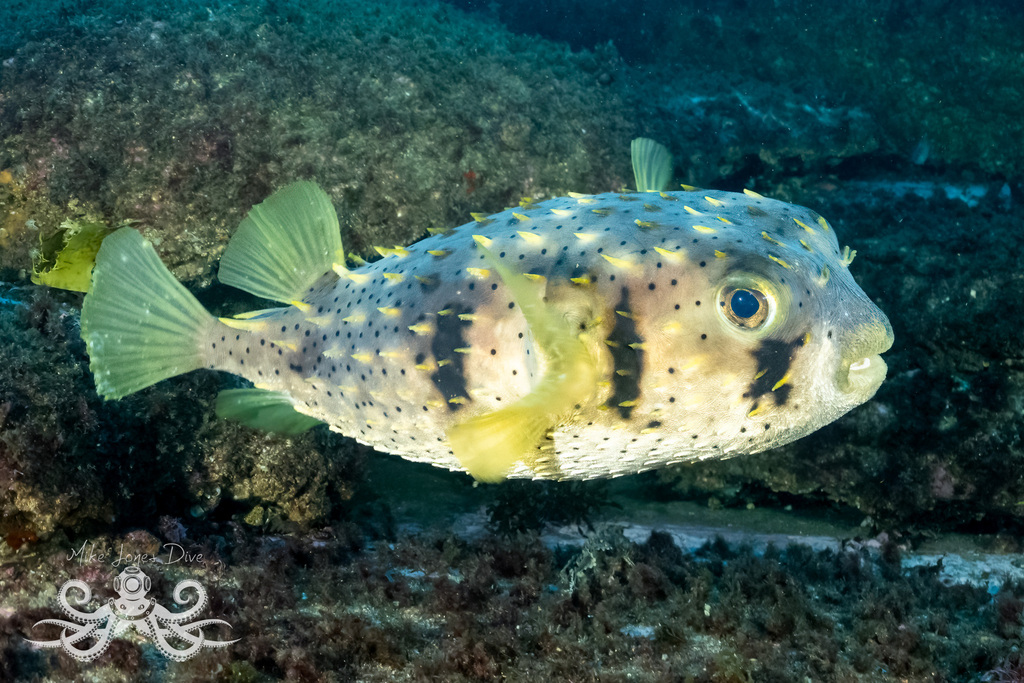
The Myer's Ballonfish (Dicotylichthys punctulatus) is a distinctive marine fish known for its unique balloon-like appearance. This species is often characterized by its rounded body and large, protruding eyes, which help it navigate through its reef habitat. Its coloration can vary, typically featuring shades of yellow and brown with intricate patterns, making it an attractive addition to any aquarium.
In the wild, Myer's Ballonfish inhabit shallow reefs and lagoons, where they find refuge among coral structures. They are primarily found in the Indo-Pacific region, especially around Indonesia, where they thrive in warm, clear waters. Their natural behavior involves swimming among corals and rocky substrates, providing them with both food and protection from predators.
Myer's Ballonfish are known for their intriguing behavior and interactions with other marine species. They exhibit a calm demeanor, often seen hovering near their preferred habitats. These fish are also known to inflate their bodies when threatened, a defense mechanism that deters potential predators. This unique trait not only makes them fascinating to observe but also adds an element of intrigue for aquarium enthusiasts.
Due to their captivating appearance and fascinating behaviors, Myer's Ballonfish are increasingly sought after by aquarium hobbyists. They are best suited for larger marine tanks that replicate their natural habitat, providing ample space for swimming and hiding among decorations.
In the wild, Myer's Ballonfish inhabit shallow reefs and lagoons, where they find refuge among coral structures. They are primarily found in the Indo-Pacific region, especially around Indonesia, where they thrive in warm, clear waters. Their natural behavior involves swimming among corals and rocky substrates, providing them with both food and protection from predators.
Myer's Ballonfish are known for their intriguing behavior and interactions with other marine species. They exhibit a calm demeanor, often seen hovering near their preferred habitats. These fish are also known to inflate their bodies when threatened, a defense mechanism that deters potential predators. This unique trait not only makes them fascinating to observe but also adds an element of intrigue for aquarium enthusiasts.
Due to their captivating appearance and fascinating behaviors, Myer's Ballonfish are increasingly sought after by aquarium hobbyists. They are best suited for larger marine tanks that replicate their natural habitat, providing ample space for swimming and hiding among decorations.
When caring for Myer's Ballonfish, maintaining optimal water parameters is crucial. Ideal temperature ranges from 24°C to 28°C, with a salinity of 1.020 to 1.025 ppt. The pH should be stable between 8.1 and 8.4, ensuring a healthy environment for these marine fish. Proper filtration and regular water changes will help maintain water quality.
Myer's Ballonfish are carnivorous and thrive on a diet of high-quality marine pellets, frozen or live foods such as shrimp, and other protein-rich options. Offering a varied diet will enhance their health and coloration. Compatibility with other species is generally good; however, they should be housed with similar-sized fish to prevent bullying or stress.
For acclimation, it is recommended to use a drip method to gradually introduce the fish to their new environment. This minimizes stress and helps them adjust to different water conditions. Quarantine new arrivals for at least two weeks to monitor for any signs of disease before introducing them to a display tank, ensuring the health of existing inhabitants.
Myer's Ballonfish are carnivorous and thrive on a diet of high-quality marine pellets, frozen or live foods such as shrimp, and other protein-rich options. Offering a varied diet will enhance their health and coloration. Compatibility with other species is generally good; however, they should be housed with similar-sized fish to prevent bullying or stress.
For acclimation, it is recommended to use a drip method to gradually introduce the fish to their new environment. This minimizes stress and helps them adjust to different water conditions. Quarantine new arrivals for at least two weeks to monitor for any signs of disease before introducing them to a display tank, ensuring the health of existing inhabitants.
Myer's Ballonfish are suitable for live shipping, provided they are packed securely to minimize stress during transit. A packing density of 1 fish per 10 liters of water is advisable. They are sensitive to temperature fluctuations, so maintaining a stable shipping temperature between 24°C and 28°C is essential. This species is not listed under CITES, making export regulations straightforward.
Species Parameters
Max Adult Size
25.0 cm
Origin
Indo-Pacific
Diet
carnivore
Temp Min
24.0 °C
Temp Max
28.0 °C
Salinity Min
1.020
Salinity Max
1.025
pH Min
8.10
pH Max
8.40
Min Tank
200 L