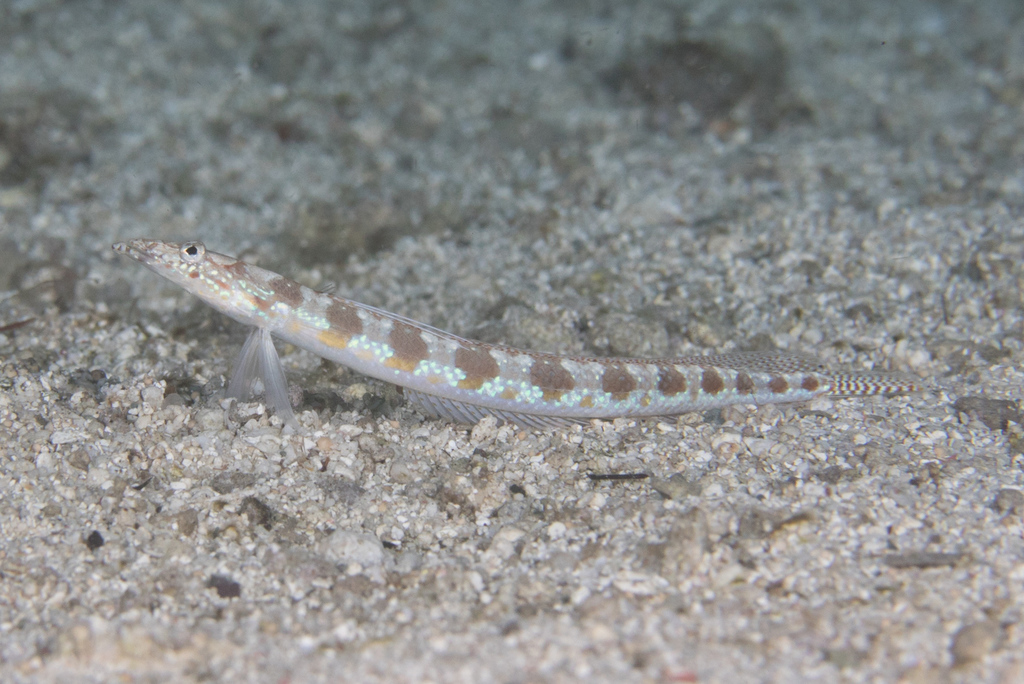
Spotted Sand-Diver
Trichonotus setigerus
In Stock
Common stock
Wild Caught
Moderate care
With Caution
SKU: CB-MF-0381
The Spotted Sand-Diver is a unique marine fish known for its striking coloration and playful behavior.
Pricing for Verified Importers
Log in to see wholesale prices and order.
Export Size
up to 15.0 cm
Origin
Indo-Pacific
Temperature
24.0–28.0°C
Min. Tank Size
150 L
Salinity
32.000–35.000 ppt
pH
8.10–8.40
Diet
carnivore
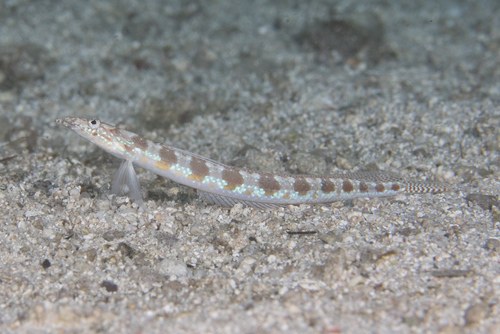
The Spotted Sand-Diver (Trichonotus setigerus) is a captivating marine fish native to the sandy substrates of the Indo-Pacific region. This species is easily recognizable by its elongated body adorned with distinctive spots, which provides excellent camouflage against the ocean floor. Adult sand-divers can reach a maximum size of approximately 15 cm, making them a manageable addition to various marine environments.
In terms of behavior, Spotted Sand-Divers are known for their energetic and curious nature. They exhibit a remarkable ability to quickly burrow into the sand when threatened, utilizing their specialized body shape to evade predators. This behavior not only helps them survive but also adds a dynamic element to aquarium displays, as they often emerge to explore their surroundings.
The natural habitat of the Spotted Sand-Diver includes sandy and rubble areas near coral reefs, where they can easily hide from predators. They are typically found at depths ranging from 5 to 30 meters, where they feed on small invertebrates and plankton. Their presence is often indicative of a healthy marine ecosystem, as they contribute to the biological control of these populations.
Overall, the Spotted Sand-Diver is not only a visually appealing addition to marine aquariums but also an important species that reflects the biodiversity of tropical marine environments. Its playful demeanor and unique adaptations make it a standout choice for both novice and experienced aquarists alike.
In terms of behavior, Spotted Sand-Divers are known for their energetic and curious nature. They exhibit a remarkable ability to quickly burrow into the sand when threatened, utilizing their specialized body shape to evade predators. This behavior not only helps them survive but also adds a dynamic element to aquarium displays, as they often emerge to explore their surroundings.
The natural habitat of the Spotted Sand-Diver includes sandy and rubble areas near coral reefs, where they can easily hide from predators. They are typically found at depths ranging from 5 to 30 meters, where they feed on small invertebrates and plankton. Their presence is often indicative of a healthy marine ecosystem, as they contribute to the biological control of these populations.
Overall, the Spotted Sand-Diver is not only a visually appealing addition to marine aquariums but also an important species that reflects the biodiversity of tropical marine environments. Its playful demeanor and unique adaptations make it a standout choice for both novice and experienced aquarists alike.
When caring for Spotted Sand-Divers, maintaining optimal water parameters is crucial to ensure their health and well-being. The ideal temperature range for this species is between 24°C and 28°C, with a salinity level of 32-35 ppt. A pH level between 8.1 and 8.4 is recommended to mimic their natural habitat. These fish thrive in larger tanks with a minimum size of 150 liters, as they appreciate ample space to swim and hide.
Feeding Spotted Sand-Divers is straightforward, as they are carnivorous and will readily accept high-quality frozen or live foods, such as brine shrimp, mysis shrimp, and small pieces of fish. It's advisable to feed them multiple times a day in smaller portions to prevent waste and maintain water quality.
Compatibility is an important factor to consider when introducing Spotted Sand-Divers into a community tank. They generally coexist well with other peaceful species but may become territorial during breeding. Acclimation should be done slowly, allowing the fish to adjust to new water conditions gradually. A quarantine period of at least two weeks is recommended to monitor for any signs of disease before introducing them to a display tank, ensuring a healthy environment for all aquatic inhabitants.
Feeding Spotted Sand-Divers is straightforward, as they are carnivorous and will readily accept high-quality frozen or live foods, such as brine shrimp, mysis shrimp, and small pieces of fish. It's advisable to feed them multiple times a day in smaller portions to prevent waste and maintain water quality.
Compatibility is an important factor to consider when introducing Spotted Sand-Divers into a community tank. They generally coexist well with other peaceful species but may become territorial during breeding. Acclimation should be done slowly, allowing the fish to adjust to new water conditions gradually. A quarantine period of at least two weeks is recommended to monitor for any signs of disease before introducing them to a display tank, ensuring a healthy environment for all aquatic inhabitants.
Spotted Sand-Divers are suitable for shipping due to their resilient nature. It is essential to pack them with sufficient oxygen and maintain a stable temperature between 24°C and 28°C during transit. A packing density of 1 fish per liter is recommended to minimize stress. The species is not listed under CITES, which simplifies export regulations.
Species Parameters
Max Adult Size
15.0 cm
Origin
Indo-Pacific
Diet
carnivore
Temp Min
24.0 °C
Temp Max
28.0 °C
Salinity Min
32.000
Salinity Max
35.000
pH Min
8.10
pH Max
8.40
Min Tank
150 L