New Sea Ster
henricia pachyderma
In Stock
Common stock
Wild Caught
Moderate care
With Caution
SKU: ML-MF-0502
Discover the unique New Sea Ster, a captivating marine species with striking features.
Pricing for Verified Importers
Log in to see wholesale prices and order.
Export Size
up to 30.0 cm
Origin
Indo-Pacific
Temperature
20.0–26.0°C
Min. Tank Size
100 L
Salinity
30.000–35.000 ppt
pH
7.80–8.40
Diet
omnivore
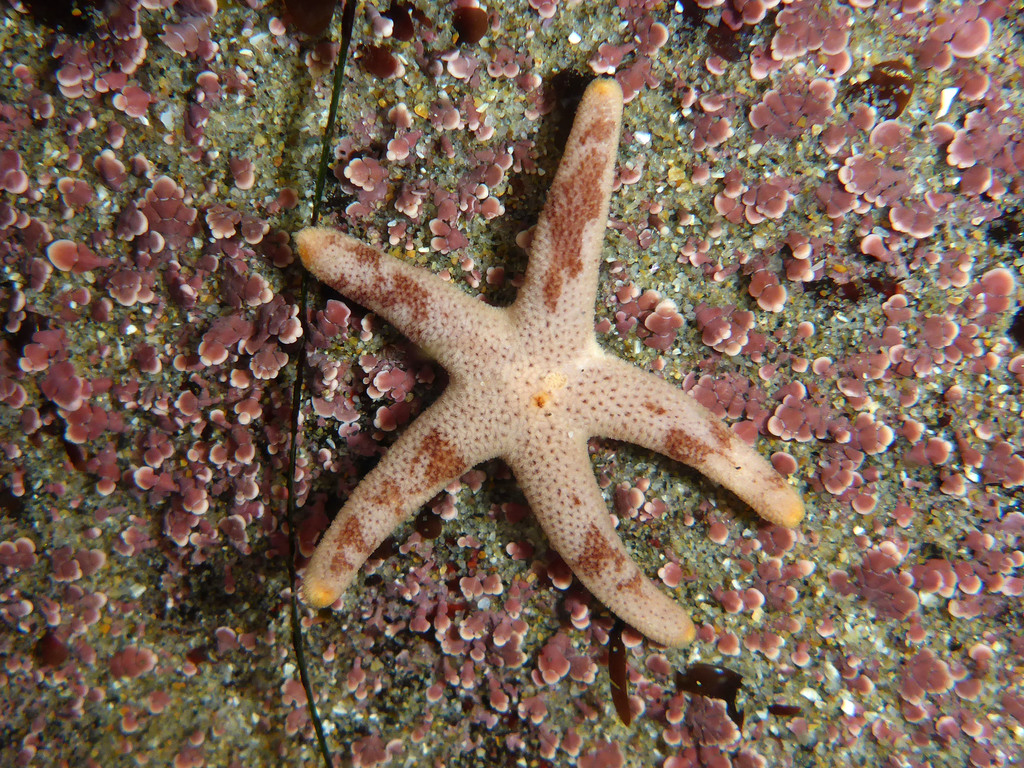
The New Sea Ster (Henricia pachyderma) is a fascinating marine echinoderm found predominantly in the Indo-Pacific region, including the vibrant waters of Bali, Indonesia. This species is known for its distinctive appearance, featuring a star-shaped body with thick, robust arms that can reach a span of up to 30 cm. Its coloration varies from reddish to purplish hues, often adorned with lighter spots that provide excellent camouflage against the rocky substrates of its natural habitat.
In terms of natural history, the New Sea Ster thrives in rocky intertidal zones and shallow waters, where it plays a crucial role in the ecosystem as both predator and prey. This species primarily feeds on small invertebrates, detritus, and algae, using its tube feet to capture food particles. The New Sea Ster exhibits fascinating behaviors, including the ability to regenerate lost arms, a vital adaptation for survival in its often harsh environment.
Socially, New Sea Sters are generally solitary but may be found in small groups during breeding seasons. They utilize a unique method of reproduction, releasing gametes into the water column, where fertilization occurs externally. This reproductive strategy ensures genetic diversity within populations and is vital for the continuation of the species in their natural habitats.
Overall, the New Sea Ster is not only an intriguing species due to its appearance and behavior but also contributes significantly to the ecological balance of its environment. Its resilience and adaptability make it a remarkable addition to any marine aquarium setup, offering both beauty and educational opportunities for enthusiasts and professionals alike.
In terms of natural history, the New Sea Ster thrives in rocky intertidal zones and shallow waters, where it plays a crucial role in the ecosystem as both predator and prey. This species primarily feeds on small invertebrates, detritus, and algae, using its tube feet to capture food particles. The New Sea Ster exhibits fascinating behaviors, including the ability to regenerate lost arms, a vital adaptation for survival in its often harsh environment.
Socially, New Sea Sters are generally solitary but may be found in small groups during breeding seasons. They utilize a unique method of reproduction, releasing gametes into the water column, where fertilization occurs externally. This reproductive strategy ensures genetic diversity within populations and is vital for the continuation of the species in their natural habitats.
Overall, the New Sea Ster is not only an intriguing species due to its appearance and behavior but also contributes significantly to the ecological balance of its environment. Its resilience and adaptability make it a remarkable addition to any marine aquarium setup, offering both beauty and educational opportunities for enthusiasts and professionals alike.
When caring for the New Sea Ster, maintain water parameters that mimic its natural environment to ensure optimal health. Aim for a temperature range of 20-26°C and a salinity level of 30-35 ppt. The pH should be kept between 7.8 and 8.4. A minimum tank size of 100 liters is recommended to provide ample space for movement and foraging.
Feeding the New Sea Ster involves providing a varied diet that includes high-quality frozen or live foods such as brine shrimp, mysis shrimp, and finely chopped seafood. It is important to ensure that the food particles are small enough for the star to consume easily. Compatibility with other species is generally good; however, avoid housing them with aggressive fish or large predatory species that may harm them.
Acclimation should be conducted gradually to prevent shock. Introduce the New Sea Ster into the aquarium using a drip acclimation method over several hours. Quarantine is also recommended for new arrivals to monitor for any signs of disease or stress before introducing them to a display tank. Regular maintenance of water quality and tank cleanliness will further promote the health and longevity of this unique species.
Feeding the New Sea Ster involves providing a varied diet that includes high-quality frozen or live foods such as brine shrimp, mysis shrimp, and finely chopped seafood. It is important to ensure that the food particles are small enough for the star to consume easily. Compatibility with other species is generally good; however, avoid housing them with aggressive fish or large predatory species that may harm them.
Acclimation should be conducted gradually to prevent shock. Introduce the New Sea Ster into the aquarium using a drip acclimation method over several hours. Quarantine is also recommended for new arrivals to monitor for any signs of disease or stress before introducing them to a display tank. Regular maintenance of water quality and tank cleanliness will further promote the health and longevity of this unique species.
The New Sea Ster is suitable for shipping due to its hardy nature, but care must be taken to ensure proper packing density and temperature control. It is recommended to ship at temperatures between 20-24°C to minimize stress during transport. The species is not listed under CITES, making it easier for export. Ensure adequate water volume in shipping bags to provide oxygen and reduce stress during transit.
Species Parameters
Max Adult Size
30.0 cm
Origin
Indo-Pacific
Diet
omnivore
Temp Min
20.0 °C
Temp Max
26.0 °C
Salinity Min
30.000
Salinity Max
35.000
pH Min
7.80
pH Max
8.40
Min Tank
100 L