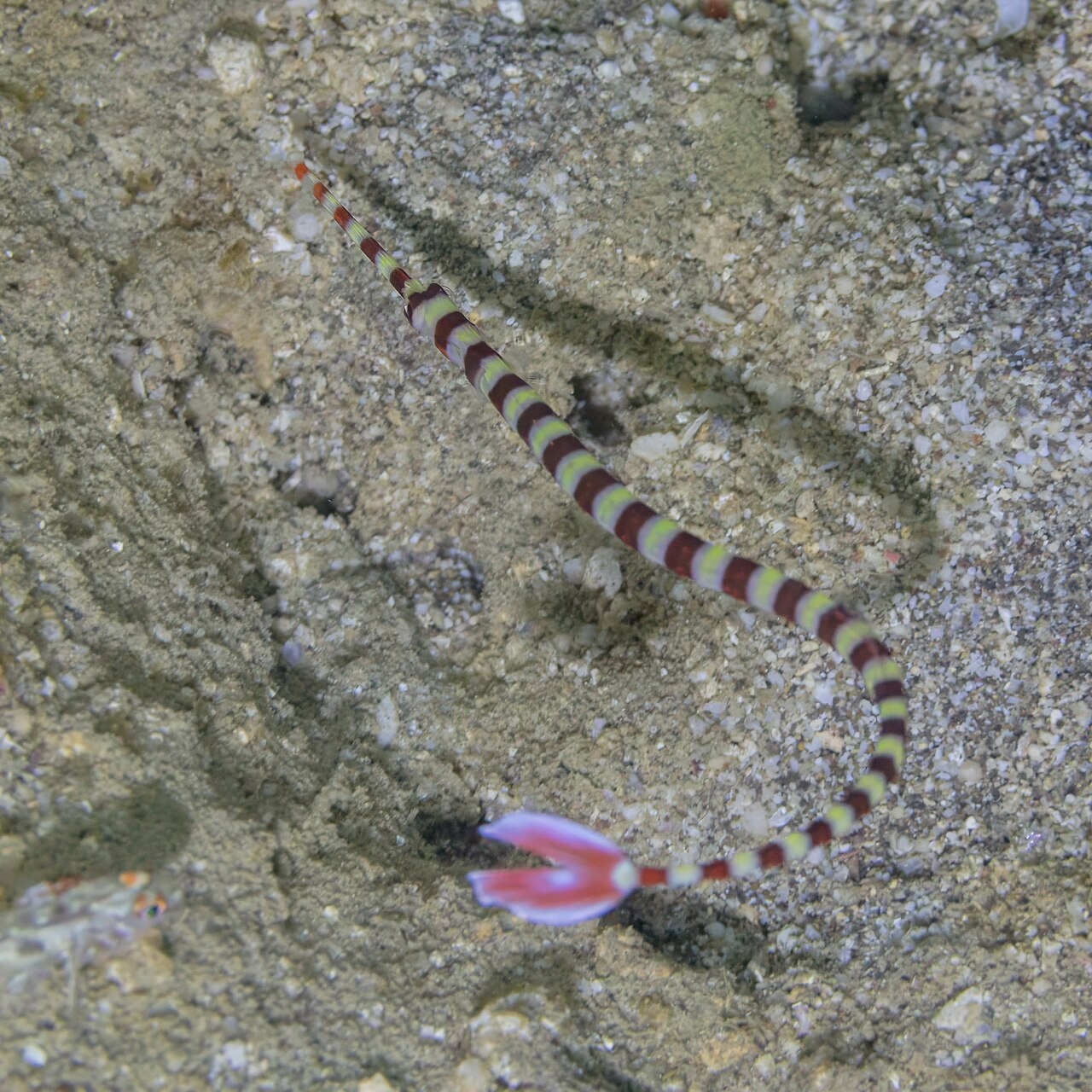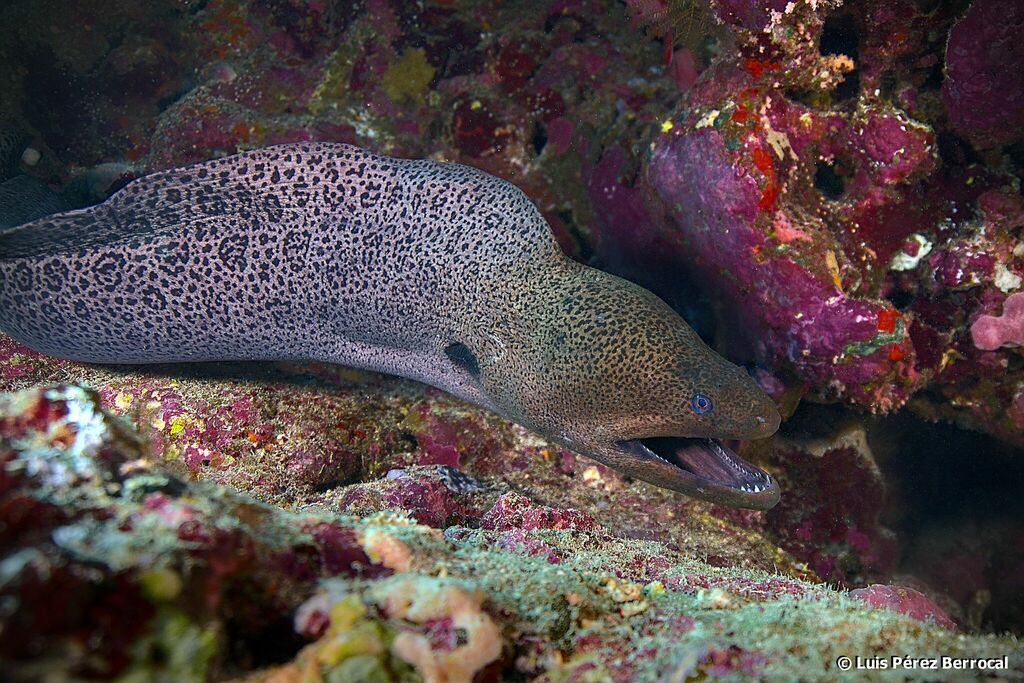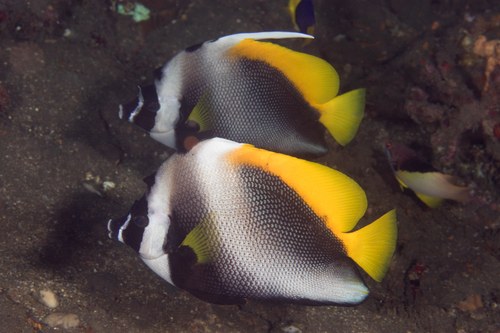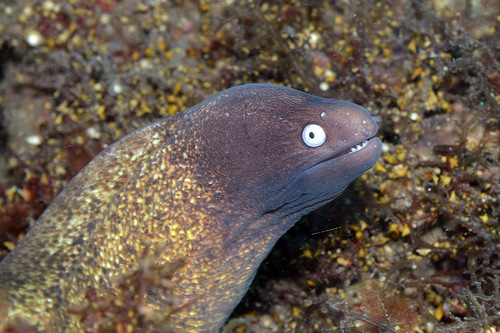
Caranx
Caranx sp.
In Stock
Common stock
Wild Caught
Moderate care
With Caution
SKU: CB-MF-0087
Caranx (Caranx sp.) is a dynamic marine fish known for its striking appearance and agile swimming abilities.
Pricing for Verified Importers
Log in to see wholesale prices and order.
Export Size
up to 100.0 cm
Origin
Indo-Pacific
Temperature
22.0–28.0°C
Min. Tank Size
500 L
Salinity
30.000–35.000 ppt
pH
8.10–8.40
Diet
carnivore
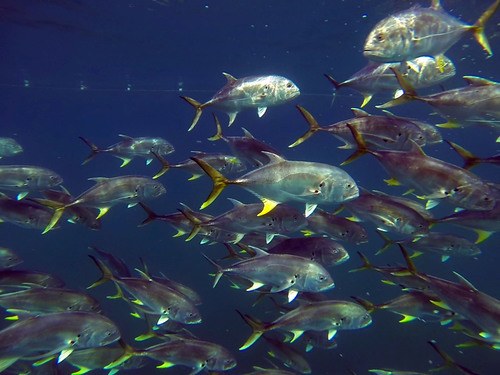
The Caranx genus comprises several species of marine fish, commonly known as jacks or trevallies, that are found in tropical and subtropical waters. These fish are characterized by their streamlined bodies, large eyes, and forked tails, which make them exceptional swimmers. Caranx species are often recognized by their metallic sheen, which can range from bluish-green to silver, depending on the species and environmental conditions. They play a crucial role in marine ecosystems as both predators and prey.
In terms of behavior, Caranx species are known for their schooling tendencies, often forming large groups that provide safety in numbers. They are highly active and agile, capable of rapid bursts of speed when chasing prey or evading predators. These fish primarily feed on smaller fish, crustaceans, and squid, showcasing their carnivorous diet. Caranx species are also known for their intelligence and complex social structures, often engaging in cooperative hunting strategies within their schools.
Caranx species inhabit a variety of marine environments, including coral reefs, lagoons, and open ocean areas. They are typically found at depths ranging from shallow coastal waters to deeper offshore regions. These fish are often associated with rocky substrates and coral formations, where they can find ample food and shelter. Their preference for warm, tropical waters makes them a popular choice for aquariums and marine displays, appealing to both hobbyists and professionals alike.
As a species adapted to dynamic marine environments, Caranx fish contribute to the health of coral reef ecosystems by maintaining the balance of prey populations. Their presence is essential for the overall biodiversity of marine habitats, making them a valuable addition to aquarium collections and a focus for conservation efforts in their native regions.
In terms of behavior, Caranx species are known for their schooling tendencies, often forming large groups that provide safety in numbers. They are highly active and agile, capable of rapid bursts of speed when chasing prey or evading predators. These fish primarily feed on smaller fish, crustaceans, and squid, showcasing their carnivorous diet. Caranx species are also known for their intelligence and complex social structures, often engaging in cooperative hunting strategies within their schools.
Caranx species inhabit a variety of marine environments, including coral reefs, lagoons, and open ocean areas. They are typically found at depths ranging from shallow coastal waters to deeper offshore regions. These fish are often associated with rocky substrates and coral formations, where they can find ample food and shelter. Their preference for warm, tropical waters makes them a popular choice for aquariums and marine displays, appealing to both hobbyists and professionals alike.
As a species adapted to dynamic marine environments, Caranx fish contribute to the health of coral reef ecosystems by maintaining the balance of prey populations. Their presence is essential for the overall biodiversity of marine habitats, making them a valuable addition to aquarium collections and a focus for conservation efforts in their native regions.
When caring for Caranx species, it is essential to replicate their natural habitat as closely as possible. Maintain water parameters at a temperature between 22-28°C, with a salinity level of 30-35 ppt. The pH should ideally be kept between 8.1 and 8.4 to ensure optimal health. A minimum tank size of 500 liters is recommended, as these fish require ample swimming space.
In terms of diet, Caranx species are carnivorous and thrive on a varied diet of high-quality pellets, frozen or live foods such as fish, shrimp, and squid. It is crucial to provide a balanced diet to maintain their health and vibrancy. These fish can be territorial, especially as they mature, so it’s important to consider tank mates carefully. Compatible species include larger, robust fish, while smaller or more docile species should be avoided.
Acclimation should be done gradually to minimize stress. Introduce Caranx species to the aquarium slowly, allowing them to adjust to the new environment. Quarantine new arrivals for at least two weeks to monitor for any signs of disease or parasites before introducing them to the main tank. Regular water quality testing and maintenance are vital to support their health and longevity in captivity.
In terms of diet, Caranx species are carnivorous and thrive on a varied diet of high-quality pellets, frozen or live foods such as fish, shrimp, and squid. It is crucial to provide a balanced diet to maintain their health and vibrancy. These fish can be territorial, especially as they mature, so it’s important to consider tank mates carefully. Compatible species include larger, robust fish, while smaller or more docile species should be avoided.
Acclimation should be done gradually to minimize stress. Introduce Caranx species to the aquarium slowly, allowing them to adjust to the new environment. Quarantine new arrivals for at least two weeks to monitor for any signs of disease or parasites before introducing them to the main tank. Regular water quality testing and maintenance are vital to support their health and longevity in captivity.
Caranx species are suitable for shipping but require careful handling due to their size and activity level. Packing density should be moderate to allow for movement without stress. Maintain water temperature between 22-26°C during transport to minimize temperature shock. These fish are not listed under CITES but should still be sourced sustainably to support conservation efforts.
Species Parameters
Max Adult Size
100.0 cm
Origin
Indo-Pacific
Diet
carnivore
Temp Min
22.0 °C
Temp Max
28.0 °C
Salinity Min
30.000
Salinity Max
35.000
pH Min
8.10
pH Max
8.40
Min Tank
500 L