Striated Frogfish
antennarius striatus
In Stock
Common stock
Wild Caught
Moderate care
With Caution
SKU: ML-MF-0290
Discover the Striated Frogfish, a master of disguise and ambush predator from Bali's vibrant reefs.
Pricing for Verified Importers
Log in to see wholesale prices and order.
Export Size
up to 15.0 cm
Origin
Coral Triangle
Temperature
24.0–28.0°C
Min. Tank Size
100 L
Salinity
1.020–1.025 ppt
pH
8.10–8.40
Diet
carnivore
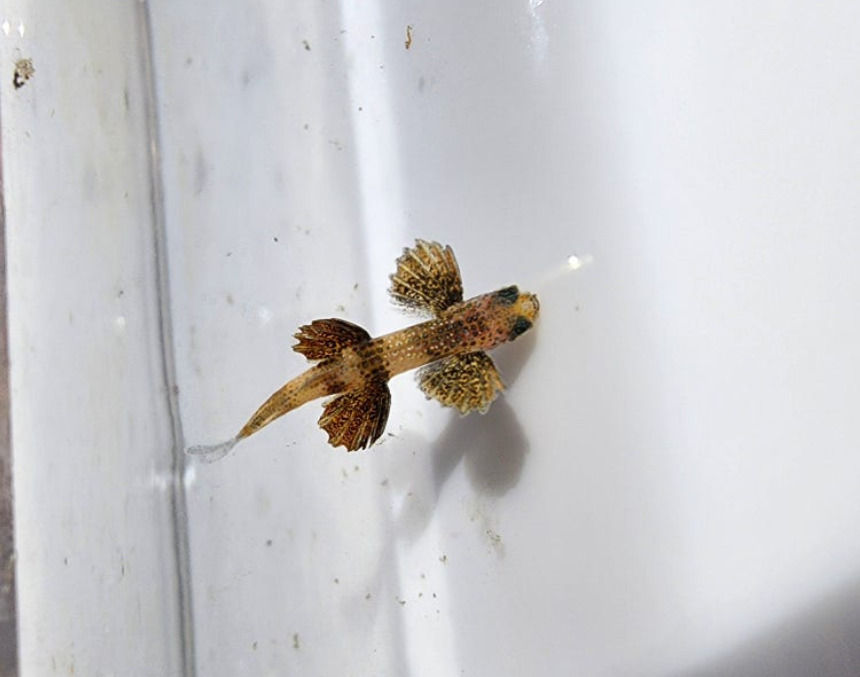
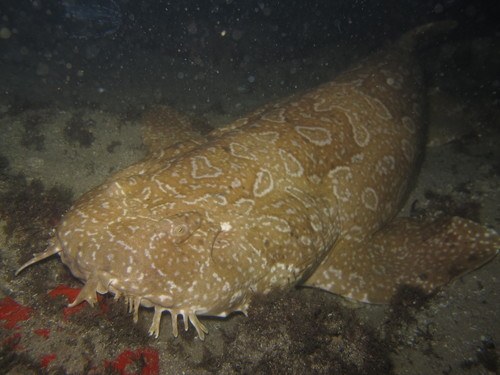
The Striated Frogfish (Antennarius striatus) is a remarkable species known for its incredible camouflage and unique hunting techniques. Found primarily in the shallow waters of the Coral Triangle, this marine fish thrives in rocky and coral-rich environments. Its body is adorned with striking patterns that mimic the surrounding substrate, making it an expert ambush predator. The Striated Frogfish relies on this disguise to catch unsuspecting prey, such as small fish and crustaceans, as it sits motionless waiting for the perfect moment to strike.
Physically, the Striated Frogfish can grow up to 15 cm in length and exhibits a variety of colorations, from browns and greens to vibrant yellows and oranges, depending on its environment. Its body is characterized by a rounded, flattened shape and a wide mouth filled with sharp teeth, enabling it to capture prey efficiently. The species also possesses unique pectoral fins that resemble limbs, allowing it to ‘walk’ along the seafloor in search of food, further enhancing its ambush strategy.
Behaviorally, the Striated Frogfish is solitary, preferring to inhabit an area where it can blend in and hunt without competition. Its diet primarily consists of small fish, which it can capture using its rapid suction feeding mechanism. This species is also known for its intriguing mating rituals, where males seek out females through a series of vocalizations and displays, often leading to elaborate courtship behaviors.
In terms of habitat, Striated Frogfish are typically found at depths ranging from 1 to 40 meters, often hiding amongst rocks, corals, and rubble. Their preference for a diverse habitat with ample hiding spots makes them well-suited to the dynamic ecosystems of Bali’s reefs, where they can thrive and play a crucial role in the marine food web.
Physically, the Striated Frogfish can grow up to 15 cm in length and exhibits a variety of colorations, from browns and greens to vibrant yellows and oranges, depending on its environment. Its body is characterized by a rounded, flattened shape and a wide mouth filled with sharp teeth, enabling it to capture prey efficiently. The species also possesses unique pectoral fins that resemble limbs, allowing it to ‘walk’ along the seafloor in search of food, further enhancing its ambush strategy.
Behaviorally, the Striated Frogfish is solitary, preferring to inhabit an area where it can blend in and hunt without competition. Its diet primarily consists of small fish, which it can capture using its rapid suction feeding mechanism. This species is also known for its intriguing mating rituals, where males seek out females through a series of vocalizations and displays, often leading to elaborate courtship behaviors.
In terms of habitat, Striated Frogfish are typically found at depths ranging from 1 to 40 meters, often hiding amongst rocks, corals, and rubble. Their preference for a diverse habitat with ample hiding spots makes them well-suited to the dynamic ecosystems of Bali’s reefs, where they can thrive and play a crucial role in the marine food web.
For importers and retailers, maintaining optimal conditions for the Striated Frogfish is crucial to ensure their health and longevity. Ideal water parameters include a temperature range of 24-28°C and a salinity level of 1.020-1.025 ppt. The pH should be kept between 8.1 and 8.4 to mimic their natural habitat. A minimum tank size of 100 liters is recommended to provide ample space for movement and territorial behavior.
Feeding the Striated Frogfish requires a diet rich in protein. They thrive on live or frozen foods such as small fish, shrimp, and other crustaceans. Regular feeding should be provided 2-3 times a week to maintain their health and vitality. Compatibility with other fish species can be challenging, as their predatory nature may lead to aggression; therefore, it is advisable to house them with larger, non-aggressive tank mates.
Acclimation should be done slowly to help the frogfish adjust to new water conditions. A quarantine period of at least two weeks is recommended before introducing them to a display tank to prevent the spread of diseases. Regular monitoring of water quality and health status is essential to ensure the well-being of this unique species.
Feeding the Striated Frogfish requires a diet rich in protein. They thrive on live or frozen foods such as small fish, shrimp, and other crustaceans. Regular feeding should be provided 2-3 times a week to maintain their health and vitality. Compatibility with other fish species can be challenging, as their predatory nature may lead to aggression; therefore, it is advisable to house them with larger, non-aggressive tank mates.
Acclimation should be done slowly to help the frogfish adjust to new water conditions. A quarantine period of at least two weeks is recommended before introducing them to a display tank to prevent the spread of diseases. Regular monitoring of water quality and health status is essential to ensure the well-being of this unique species.
Striated Frogfish are suitable for shipping under controlled conditions. They should be packed in secure bags with adequate oxygen and water to maintain temperature stability during transit. It is essential to keep shipping temperatures between 20-25°C to reduce stress. Due to their unique biological requirements, a maximum density of 1-2 specimens per liter is recommended. The species is not listed under CITES, but adherence to local regulations is advised.
Species Parameters
Max Adult Size
15.0 cm
Origin
Coral Triangle
Diet
carnivore
Temp Min
24.0 °C
Temp Max
28.0 °C
Salinity Min
1.020
Salinity Max
1.025
pH Min
8.10
pH Max
8.40
Min Tank
100 L