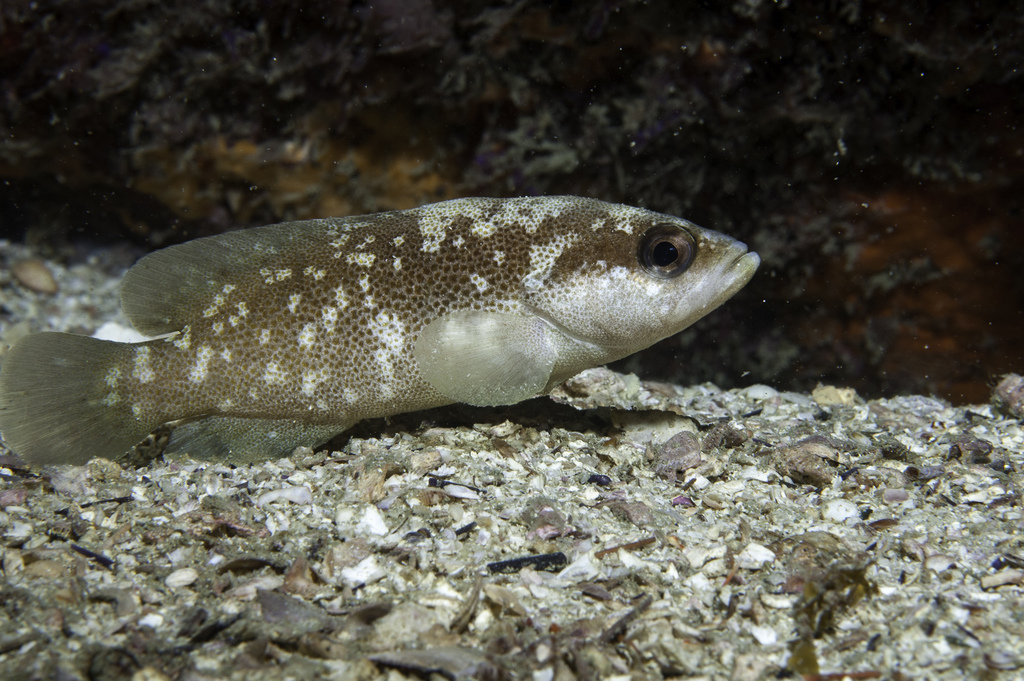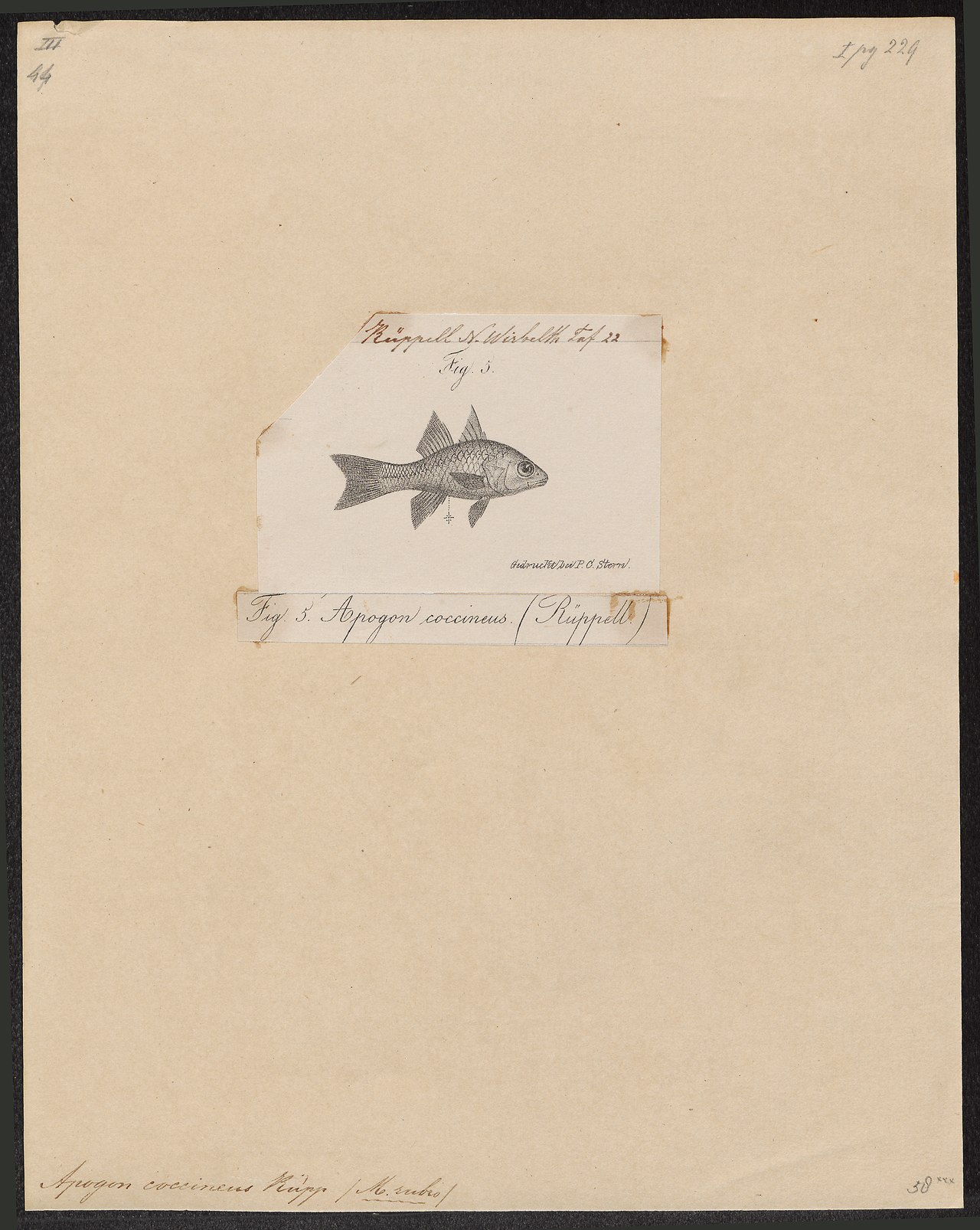
Spotfin jawfish
opistognathus robinsi
In Stock
Common stock
Wild Caught
Moderate care
With Caution
SKU: ML-MF-0210
Discover the unique Spotfin jawfish, known for its striking coloration and burrowing habits.
Pricing for Verified Importers
Log in to see wholesale prices and order.
Export Size
up to 15.0 cm
Origin
Indo-Pacific
Temperature
24.0–28.0°C
Min. Tank Size
100 L
Salinity
1.020–1.025 ppt
pH
8.10–8.40
Diet
carnivore
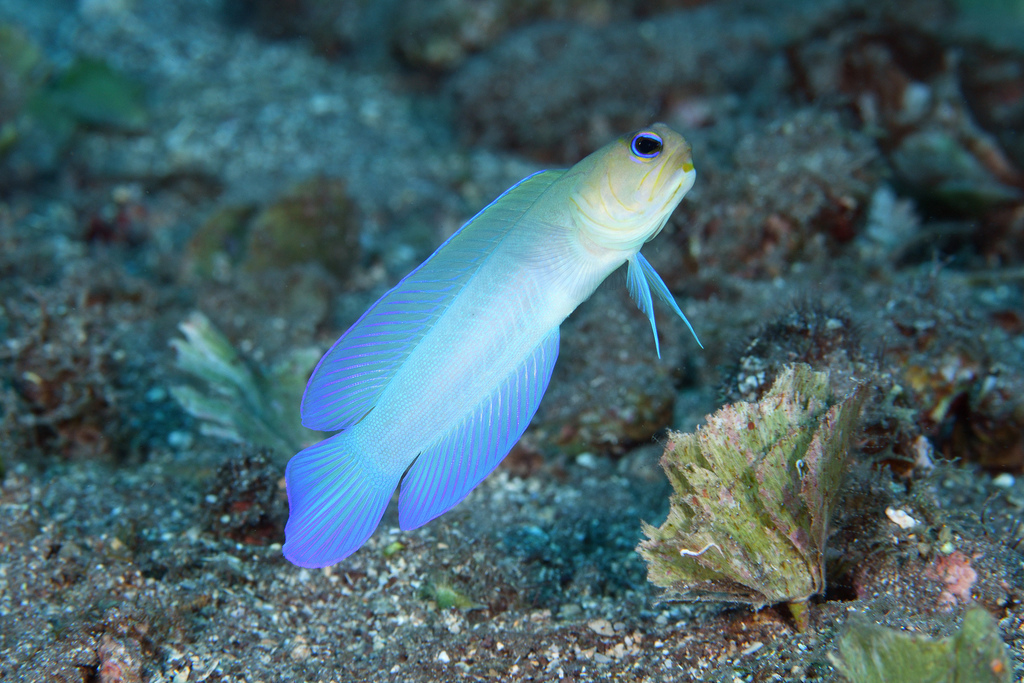
The Spotfin jawfish (Opistognathus robinsi) is a captivating marine fish native to the coral reefs of the Indo-Pacific region. This species is characterized by its vibrant yellow and blue coloration, which serves both as a warning to predators and as a means of attracting mates. The Spotfin jawfish is primarily recognized for its elongated body and distinctive, large jaws, which it uses to capture prey and construct burrows in sandy substrates.
In terms of behavior, the Spotfin jawfish is known for its unique burrowing habits. It creates elaborate burrows in sandy or rubble substrates, where it can safely retreat from predators and ambush unsuspecting prey. This species is often seen peering out from its burrow, displaying its stunning fins and vibrant colors. Their social structure is fascinating, as they may form loose colonies, often sharing burrow systems, which enhances their chances of survival in the wild.
The natural habitat of the Spotfin jawfish includes shallow reef environments, typically found at depths of 10 to 30 meters. These habitats are rich in coral and sand, which provide both shelter and hunting grounds for the fish. They thrive in areas with moderate water movement, which helps to bring in a steady supply of plankton and small crustaceans, their primary food sources. The combination of their stunning appearance and interesting behavior makes them a favorite among marine aquarium enthusiasts.
Overall, the Spotfin jawfish is a remarkable species that showcases the beauty and diversity of marine life found in Bali's waters. Their striking colors and intriguing behaviors make them a valuable addition to any marine aquarium, providing both aesthetic appeal and an opportunity for observation of unique fish behavior in a controlled environment.
In terms of behavior, the Spotfin jawfish is known for its unique burrowing habits. It creates elaborate burrows in sandy or rubble substrates, where it can safely retreat from predators and ambush unsuspecting prey. This species is often seen peering out from its burrow, displaying its stunning fins and vibrant colors. Their social structure is fascinating, as they may form loose colonies, often sharing burrow systems, which enhances their chances of survival in the wild.
The natural habitat of the Spotfin jawfish includes shallow reef environments, typically found at depths of 10 to 30 meters. These habitats are rich in coral and sand, which provide both shelter and hunting grounds for the fish. They thrive in areas with moderate water movement, which helps to bring in a steady supply of plankton and small crustaceans, their primary food sources. The combination of their stunning appearance and interesting behavior makes them a favorite among marine aquarium enthusiasts.
Overall, the Spotfin jawfish is a remarkable species that showcases the beauty and diversity of marine life found in Bali's waters. Their striking colors and intriguing behaviors make them a valuable addition to any marine aquarium, providing both aesthetic appeal and an opportunity for observation of unique fish behavior in a controlled environment.
To ensure the health and well-being of the Spotfin jawfish, maintain water parameters within specific ranges. The ideal temperature should be maintained between 24°C and 28°C, with a salinity of 1.020 to 1.025 ppt. A pH level between 8.1 and 8.4 is optimal. Providing a minimum tank size of 100 liters is recommended, as this allows ample space for burrowing and territorial behaviors.
Feeding the Spotfin jawfish is best accomplished with a varied diet that includes high-quality frozen or live foods such as small shrimp, mysis, and finely chopped marine fish. Offering a balanced diet will ensure optimal growth and coloration. Compatibility is generally good, but care should be taken when housing them with larger, aggressive tank mates, as their small size makes them vulnerable.
Acclimation is crucial for the Spotfin jawfish; a slow drip acclimation method is recommended to minimize stress and ensure a smooth transition to captivity. Quarantine new arrivals for at least two weeks to monitor for any signs of disease before introducing them to the main display tank. Providing ample hiding spots and substrate for burrowing will help the Spotfin jawfish feel secure in its new environment.
Feeding the Spotfin jawfish is best accomplished with a varied diet that includes high-quality frozen or live foods such as small shrimp, mysis, and finely chopped marine fish. Offering a balanced diet will ensure optimal growth and coloration. Compatibility is generally good, but care should be taken when housing them with larger, aggressive tank mates, as their small size makes them vulnerable.
Acclimation is crucial for the Spotfin jawfish; a slow drip acclimation method is recommended to minimize stress and ensure a smooth transition to captivity. Quarantine new arrivals for at least two weeks to monitor for any signs of disease before introducing them to the main display tank. Providing ample hiding spots and substrate for burrowing will help the Spotfin jawfish feel secure in its new environment.
The Spotfin jawfish is suitable for shipping due to its hardy nature. It should be packed with a density of no more than 1-2 fish per liter of water to minimize stress during transport. Temperature sensitivity is moderate, so maintaining a stable temperature between 24°C and 28°C is essential during shipping. This species is not listed under CITES, making it easier for exporters and importers to comply with regulations.
Species Parameters
Max Adult Size
15.0 cm
Origin
Indo-Pacific
Diet
carnivore
Temp Min
24.0 °C
Temp Max
28.0 °C
Salinity Min
1.020
Salinity Max
1.025
pH Min
8.10
pH Max
8.40
Min Tank
100 L