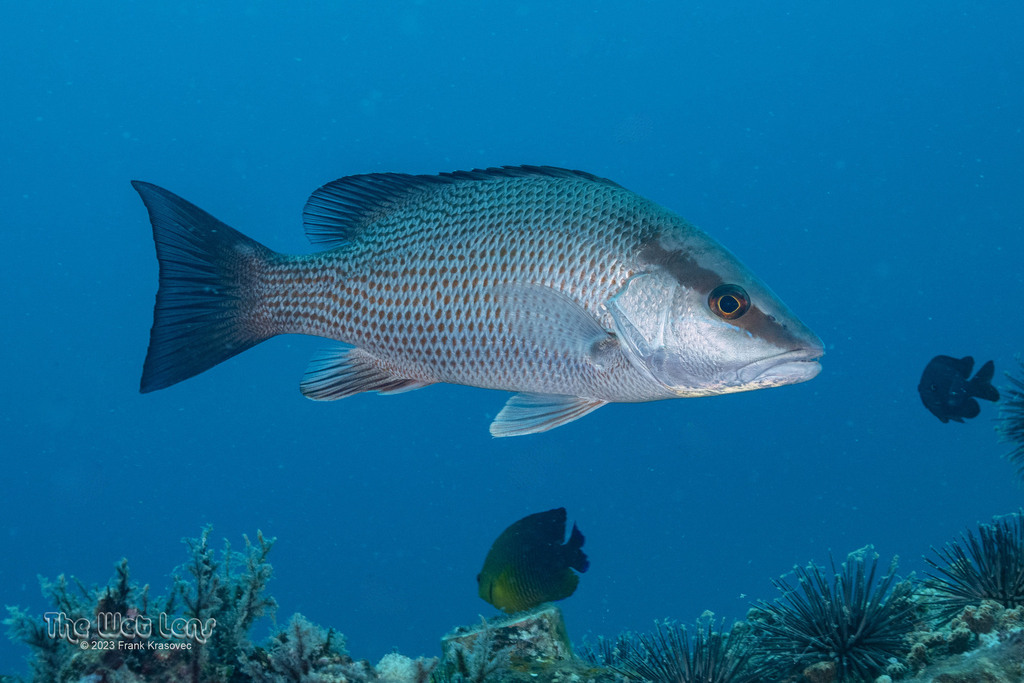
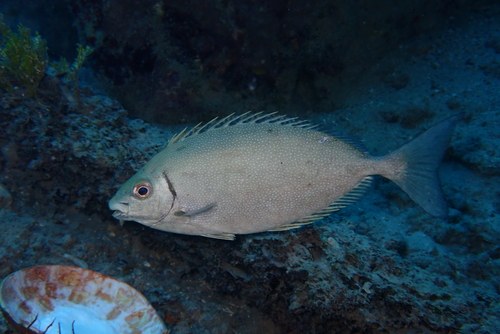
White-spotted Spinefoot
Siganus canaliculatus
In Stock
Common stock
Wild Caught
Moderate care
With Caution
SKU: CB-MF-0278
Discover the vibrant White-spotted Spinefoot from Bali's rich waters.
Pricing for Verified Importers
Log in to see wholesale prices and order.
Export Size
up to 30.0 cm
Origin
Indo-Pacific
Temperature
24.0–28.0°C
Min. Tank Size
200 L
Salinity
30.000–35.000 ppt
pH
8.10–8.40
Diet
herbivore
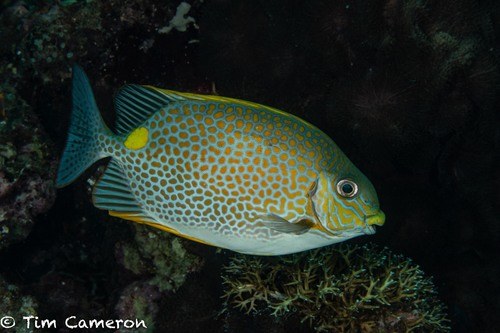
The White-spotted Spinefoot (Siganus canaliculatus) is a striking marine species found predominantly in the western Pacific and Indian Oceans. Characterized by its unique white spots and slender body, this rabbitfish is especially valued for its colorful appearance and dynamic behavior. It typically inhabits shallow reefs and lagoon environments, where it plays a crucial role in the ecosystem by grazing on algae and contributing to reef health.
This species exhibits a distinctive coloration that can vary from a golden-yellow to a more muted brown, with the white spots scattered across its body, making it an attractive addition to any marine aquarium. The White-spotted Spinefoot is known for its peaceful demeanor, often found in groups, showcasing social behavior that can be quite engaging for aquarists. Their ability to adapt to various environments makes them resilient, although they thrive best in stable conditions.
In the wild, the White-spotted Spinefoot typically feeds on algae and seagrasses, which are abundant in their natural habitats. They are often seen foraging along the substrate and among rocks, exhibiting a behavior that highlights their role as herbivores in maintaining the balance of reef ecosystems. This species is also known for its unique defense mechanism, where it can release venom from its spines if threatened, making it a fascinating subject of study for marine biologists.
Overall, the White-spotted Spinefoot is more than just a visually appealing fish; it is an integral part of its ecosystem, contributing to both its own survival and the health of the reefs it inhabits. Its adaptability and social nature make it a popular choice among aquarium enthusiasts and professionals alike.
This species exhibits a distinctive coloration that can vary from a golden-yellow to a more muted brown, with the white spots scattered across its body, making it an attractive addition to any marine aquarium. The White-spotted Spinefoot is known for its peaceful demeanor, often found in groups, showcasing social behavior that can be quite engaging for aquarists. Their ability to adapt to various environments makes them resilient, although they thrive best in stable conditions.
In the wild, the White-spotted Spinefoot typically feeds on algae and seagrasses, which are abundant in their natural habitats. They are often seen foraging along the substrate and among rocks, exhibiting a behavior that highlights their role as herbivores in maintaining the balance of reef ecosystems. This species is also known for its unique defense mechanism, where it can release venom from its spines if threatened, making it a fascinating subject of study for marine biologists.
Overall, the White-spotted Spinefoot is more than just a visually appealing fish; it is an integral part of its ecosystem, contributing to both its own survival and the health of the reefs it inhabits. Its adaptability and social nature make it a popular choice among aquarium enthusiasts and professionals alike.
When caring for the White-spotted Spinefoot, it is essential to maintain optimal water parameters. The ideal temperature range is between 24°C to 28°C, with a salinity of 30-35 ppt. The pH should be maintained between 8.1 and 8.4. A minimum tank size of 200 liters is recommended to provide ample swimming space and ensure a stable environment.
Feeding the White-spotted Spinefoot requires a varied diet rich in plant matter, as they are primarily herbivorous. High-quality algae-based foods, spirulina flakes, and fresh vegetables should be offered daily. Ensuring compatibility with other species is crucial; they tend to do well with other peaceful fish but may become territorial if housed with overly aggressive species.
Acclimation should be gradual, using the drip method to minimize stress. A quarantine period of at least two weeks is advisable before introducing the fish into a display tank to prevent the spread of diseases. Regular monitoring of water quality and the fish's health will help ensure a thriving environment.
Feeding the White-spotted Spinefoot requires a varied diet rich in plant matter, as they are primarily herbivorous. High-quality algae-based foods, spirulina flakes, and fresh vegetables should be offered daily. Ensuring compatibility with other species is crucial; they tend to do well with other peaceful fish but may become territorial if housed with overly aggressive species.
Acclimation should be gradual, using the drip method to minimize stress. A quarantine period of at least two weeks is advisable before introducing the fish into a display tank to prevent the spread of diseases. Regular monitoring of water quality and the fish's health will help ensure a thriving environment.
The White-spotted Spinefoot is suitable for shipping with appropriate care. When packing, ensure adequate space to minimize stress and avoid overcrowding, with a recommended density of 1 fish per 5 liters. They are sensitive to temperature fluctuations; thus, maintaining a consistent temperature between 24°C to 28°C during transit is crucial. This species is not listed under CITES, which simplifies compliance for importers.
Species Parameters
Max Adult Size
30.0 cm
Origin
Indo-Pacific
Diet
herbivore
Temp Min
24.0 °C
Temp Max
28.0 °C
Salinity Min
30.000
Salinity Max
35.000
pH Min
8.10
pH Max
8.40
Min Tank
200 L