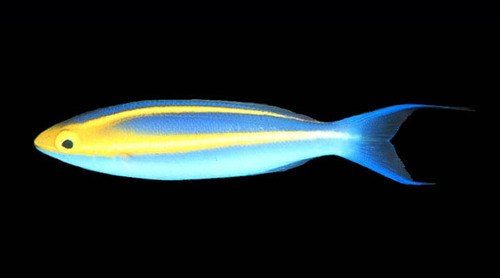
Yellow Line Snapper
Pentapodus nemurus
In Stock
Common stock
Wild Caught
Moderate care
With Caution
SKU: CB-MF-0356
The Yellow Line Snapper is a vibrant marine species known for its striking coloration and adaptability.
Pricing for Verified Importers
Log in to see wholesale prices and order.
Export Size
up to 30.0 cm
Origin
Indo-Pacific
Temperature
24.0–28.0°C
Min. Tank Size
200 L
Salinity
30.000–35.000 ppt
pH
8.10–8.40
Diet
carnivore
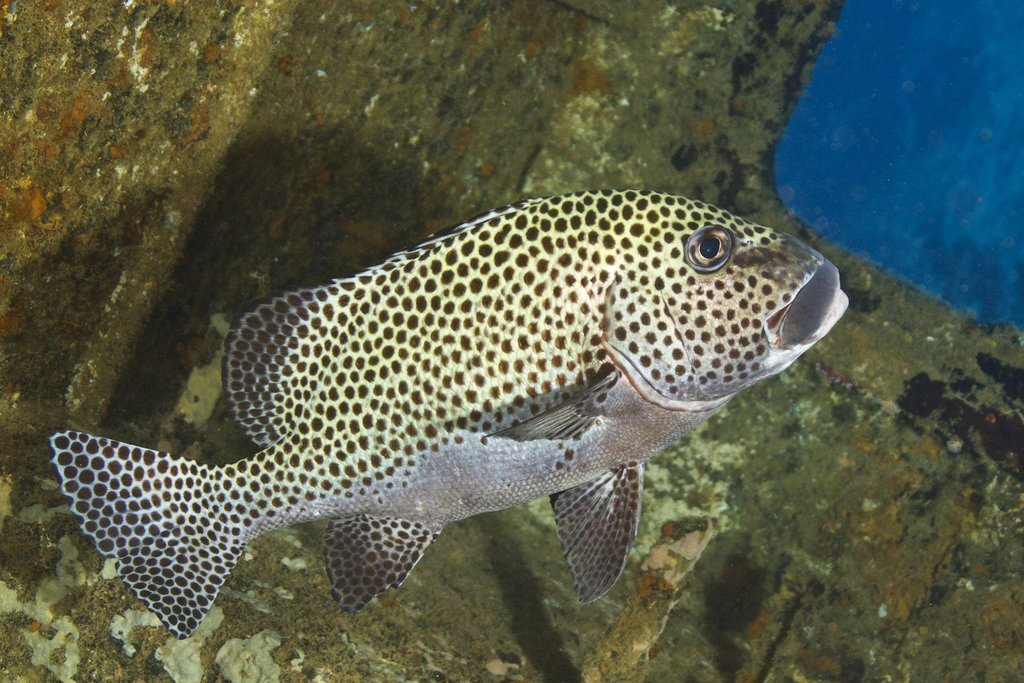
The Yellow Line Snapper, scientifically known as Pentapodus nemurus, is a captivating marine fish found primarily in the coral reefs of the Indo-Pacific region. This species is characterized by its distinctive yellow lines that run along its body, contrasting beautifully with its silverish hue. Adult specimens can reach a maximum length of about 30 cm, making them a striking addition to any aquarium. Their body shape is elongated and streamlined, which aids in their swift movements through the water as they hunt for food.
In their natural habitat, Yellow Line Snappers are often found in shallow coastal waters, typically near coral reefs and rocky substrates. They are social fish, frequently seen in small schools, which enhances their appeal for aquarium enthusiasts. These snappers are carnivorous, feeding primarily on smaller fish and invertebrates, which they hunt with agility. Their active and inquisitive nature makes them a favorite among fish keepers who appreciate dynamic and engaging species in their displays.
Behaviorally, Yellow Line Snappers are known for their territorial instincts, particularly during breeding seasons. They exhibit interesting social hierarchies within their schools and can display various colors and patterns depending on their mood and environment. This adaptability not only contributes to their survival in the wild but also makes them resilient when introduced into captivity, provided their environmental needs are met.
Overall, the Yellow Line Snapper is not just visually appealing but also brings a lively energy to aquarium settings. Their fascinating behavior and social dynamics, combined with their stunning appearance, make them a sought-after species for both importers and retailers alike.
In their natural habitat, Yellow Line Snappers are often found in shallow coastal waters, typically near coral reefs and rocky substrates. They are social fish, frequently seen in small schools, which enhances their appeal for aquarium enthusiasts. These snappers are carnivorous, feeding primarily on smaller fish and invertebrates, which they hunt with agility. Their active and inquisitive nature makes them a favorite among fish keepers who appreciate dynamic and engaging species in their displays.
Behaviorally, Yellow Line Snappers are known for their territorial instincts, particularly during breeding seasons. They exhibit interesting social hierarchies within their schools and can display various colors and patterns depending on their mood and environment. This adaptability not only contributes to their survival in the wild but also makes them resilient when introduced into captivity, provided their environmental needs are met.
Overall, the Yellow Line Snapper is not just visually appealing but also brings a lively energy to aquarium settings. Their fascinating behavior and social dynamics, combined with their stunning appearance, make them a sought-after species for both importers and retailers alike.
When caring for Yellow Line Snappers in captivity, it is crucial to maintain optimal water parameters. Ideal temperatures range from 24°C to 28°C, and salinity levels should be kept between 30-35 ppt. pH levels should be maintained between 8.1 and 8.4 to replicate their natural habitat. A minimum tank size of 200 liters is recommended to provide ample space for swimming and establishing territories.
Feeding Yellow Line Snappers requires a diet rich in protein. They thrive on a varied diet that includes high-quality pellets, frozen or live foods such as shrimp, small fish, and other marine proteins. It's essential to feed them multiple times a day in small amounts to ensure they receive adequate nutrition without polluting the tank.
In terms of compatibility, these snappers do best in community tanks with other active fish of similar size. They can be territorial, so it's advisable to introduce them to a well-established tank with plenty of hiding places. Acclimation should be done gradually using the drip method to reduce stress. Quarantining new arrivals for at least two weeks is essential to prevent the spread of disease and ensure a healthy introduction to the main aquarium.
Feeding Yellow Line Snappers requires a diet rich in protein. They thrive on a varied diet that includes high-quality pellets, frozen or live foods such as shrimp, small fish, and other marine proteins. It's essential to feed them multiple times a day in small amounts to ensure they receive adequate nutrition without polluting the tank.
In terms of compatibility, these snappers do best in community tanks with other active fish of similar size. They can be territorial, so it's advisable to introduce them to a well-established tank with plenty of hiding places. Acclimation should be done gradually using the drip method to reduce stress. Quarantining new arrivals for at least two weeks is essential to prevent the spread of disease and ensure a healthy introduction to the main aquarium.
Yellow Line Snappers are suitable for shipping, and should be packed in secure, insulated containers with adequate aeration. Care should be taken to maintain stable water temperatures during transit, ideally between 24°C and 28°C. It is important to monitor packing density to avoid stress and overcrowding. Currently, there are no CITES restrictions for this species, making it easier for import and export.
Species Parameters
Max Adult Size
30.0 cm
Origin
Indo-Pacific
Diet
carnivore
Temp Min
24.0 °C
Temp Max
28.0 °C
Salinity Min
30.000
Salinity Max
35.000
pH Min
8.10
pH Max
8.40
Min Tank
200 L