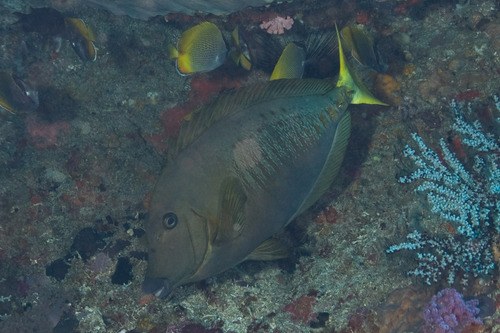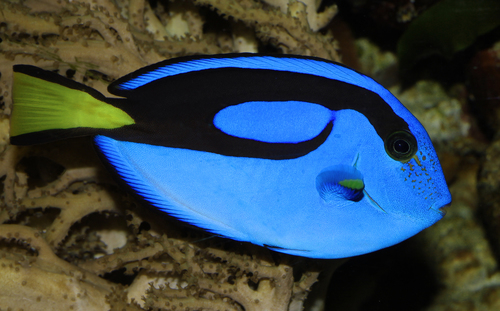
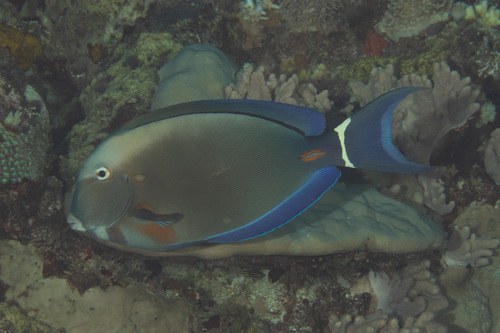
Orange Socket Surgeonfish
Acanthurus auranticavus
In Stock
Common stock
Wild Caught
Moderate care
With Caution
SKU: CB-MF-0303
The Orange Socket Surgeonfish is a vibrant marine species known for its striking coloration and dynamic behavior.
Pricing for Verified Importers
Log in to see wholesale prices and order.
Export Size
up to 25.0 cm
Origin
Indo-Pacific
Temperature
24.0–28.0°C
Min. Tank Size
300 L
Salinity
1.020–1.025 ppt
pH
8.10–8.40
Diet
herbivore
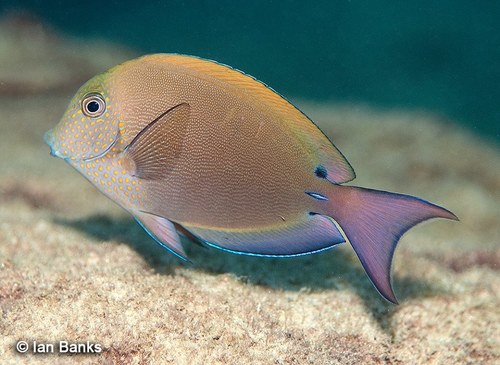
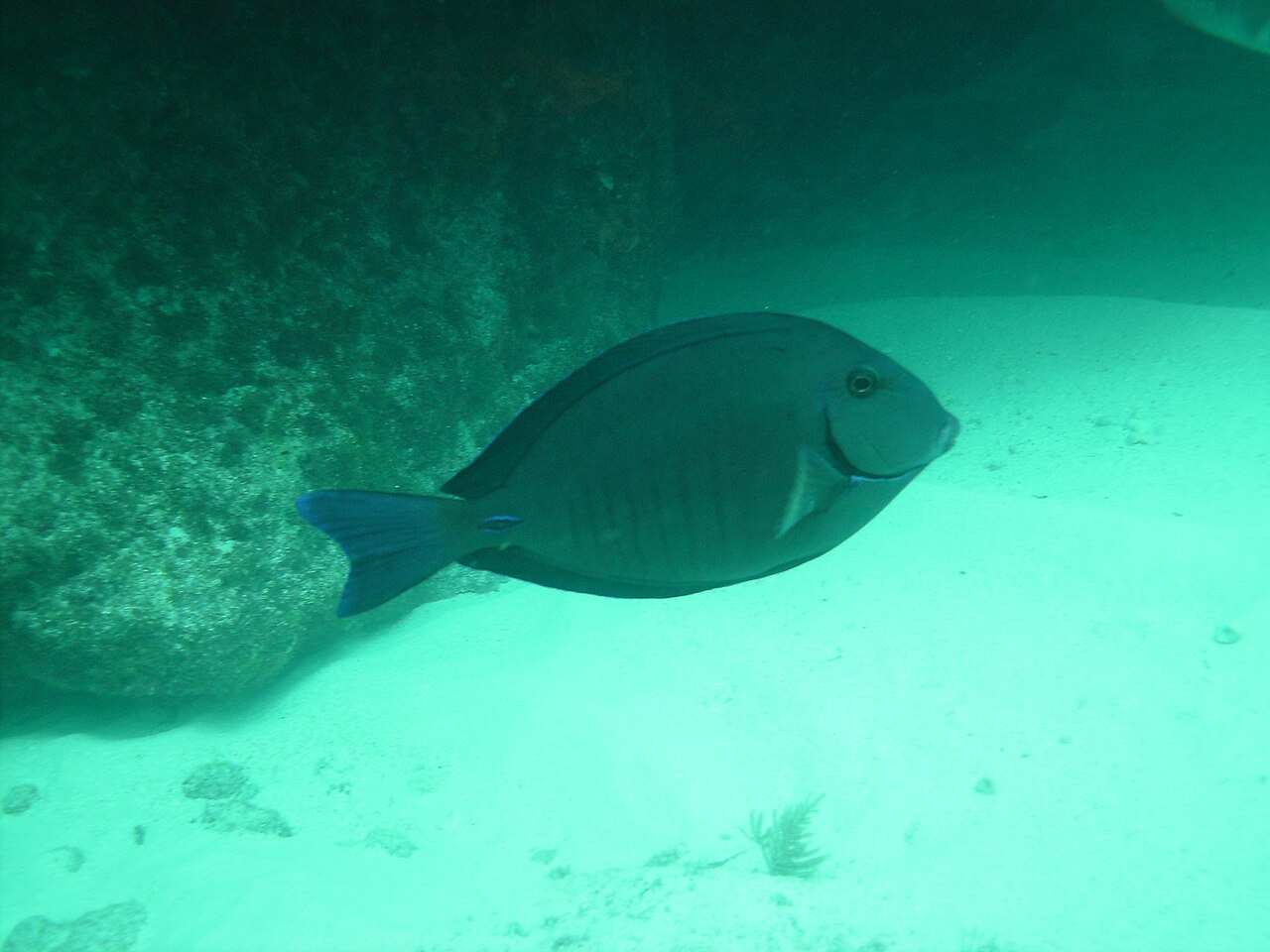
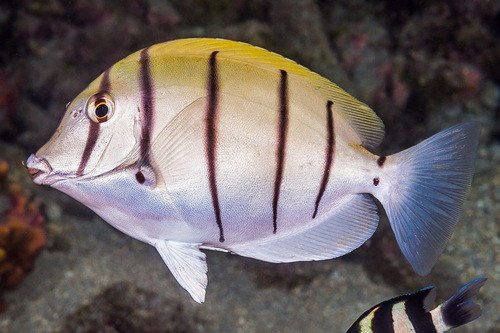
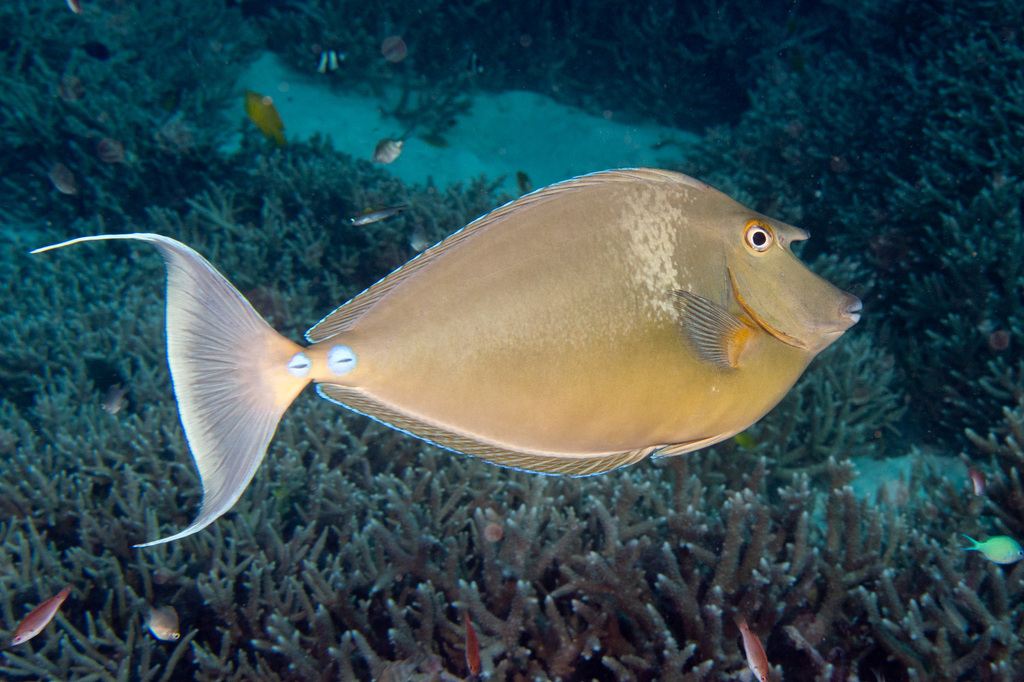
The Orange Socket Surgeonfish (Acanthurus auranticavus) is a captivating marine species native to the coral reefs of the Indo-Pacific region. This fish is easily recognized by its brilliant orange and blue coloration, particularly the distinctive orange 'sockets' around its eyes, which set it apart from other surgeonfish. Adults can reach a maximum length of about 25 cm, making them a manageable size for aquarium displays. Their sleek body shape and vibrant hues make them a popular choice among marine aquarists.
In their natural habitat, Orange Socket Surgeonfish are typically found in shallow coral reefs, where they graze on algae and other plant materials. They are social creatures, often seen in small groups, which allows them to establish social hierarchies and reduce stress. Their behavior is characterized by darting movements and occasional displays of territoriality, particularly among males. This species plays a vital role in maintaining the health of coral reef ecosystems by controlling algae populations.
The Orange Socket Surgeonfish exhibits a unique feeding behavior, using its specialized teeth to scrape algae off the rocks and coral surfaces. Their diet in the wild primarily consists of benthic algae, which they forage with agility. This feeding strategy helps to prevent algal overgrowth that can harm coral health. In captivity, they thrive in well-maintained aquariums that replicate their natural environment, including plenty of live rock and algae.
Overall, the Orange Socket Surgeonfish is not just visually stunning; it also contributes significantly to the ecological balance of its habitat. Their active nature and social behavior make them engaging additions to marine aquariums, where they can be observed interacting with their environment and fellow tank mates.
In their natural habitat, Orange Socket Surgeonfish are typically found in shallow coral reefs, where they graze on algae and other plant materials. They are social creatures, often seen in small groups, which allows them to establish social hierarchies and reduce stress. Their behavior is characterized by darting movements and occasional displays of territoriality, particularly among males. This species plays a vital role in maintaining the health of coral reef ecosystems by controlling algae populations.
The Orange Socket Surgeonfish exhibits a unique feeding behavior, using its specialized teeth to scrape algae off the rocks and coral surfaces. Their diet in the wild primarily consists of benthic algae, which they forage with agility. This feeding strategy helps to prevent algal overgrowth that can harm coral health. In captivity, they thrive in well-maintained aquariums that replicate their natural environment, including plenty of live rock and algae.
Overall, the Orange Socket Surgeonfish is not just visually stunning; it also contributes significantly to the ecological balance of its habitat. Their active nature and social behavior make them engaging additions to marine aquariums, where they can be observed interacting with their environment and fellow tank mates.
When caring for the Orange Socket Surgeonfish, it is crucial to maintain optimal water parameters to ensure their health and well-being. Ideal water temperature should range between 24°C to 28°C, with a salinity of 1.020 to 1.025 ppt. The pH level should be maintained between 8.1 and 8.4. It is recommended to have a minimum tank size of 300 liters to provide adequate swimming space and territory.
Feeding this species requires a varied diet that includes high-quality marine algae, spirulina pellets, and occasional meaty foods such as mysis shrimp or brine shrimp. Their herbivorous diet is essential for their health and coloration. Compatibility can be an issue if housing with other surgeonfish, so it is advisable to introduce them to a community tank with care and ensure ample space to reduce territorial disputes.
Acclimation should be gradual, allowing the fish to adjust to the new environment. It is recommended to quarantine new arrivals for at least two weeks to monitor for any signs of disease and to administer necessary treatments before introducing them to the main tank. With proper care, the Orange Socket Surgeonfish can thrive in captivity and be a stunning centerpiece in any marine aquarium.
Feeding this species requires a varied diet that includes high-quality marine algae, spirulina pellets, and occasional meaty foods such as mysis shrimp or brine shrimp. Their herbivorous diet is essential for their health and coloration. Compatibility can be an issue if housing with other surgeonfish, so it is advisable to introduce them to a community tank with care and ensure ample space to reduce territorial disputes.
Acclimation should be gradual, allowing the fish to adjust to the new environment. It is recommended to quarantine new arrivals for at least two weeks to monitor for any signs of disease and to administer necessary treatments before introducing them to the main tank. With proper care, the Orange Socket Surgeonfish can thrive in captivity and be a stunning centerpiece in any marine aquarium.
The Orange Socket Surgeonfish is suitable for export due to its hardiness during transit. They should be packed in well-oxygenated water with appropriate temperature control to prevent stress. A packing density of 1 fish per 10 liters is recommended to ensure adequate space. They are sensitive to temperature fluctuations, so maintaining a stable environment during shipping is critical. This species is not listed under CITES, simplifying export regulations.
Species Parameters
Max Adult Size
25.0 cm
Origin
Indo-Pacific
Diet
herbivore
Temp Min
24.0 °C
Temp Max
28.0 °C
Salinity Min
1.020
Salinity Max
1.025
pH Min
8.10
pH Max
8.40
Min Tank
300 L