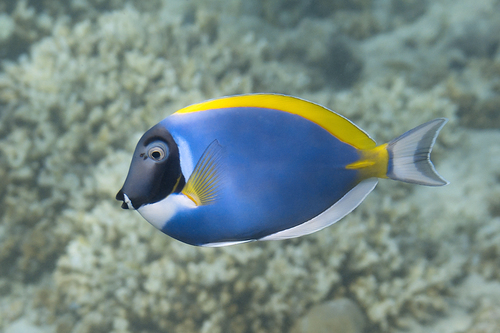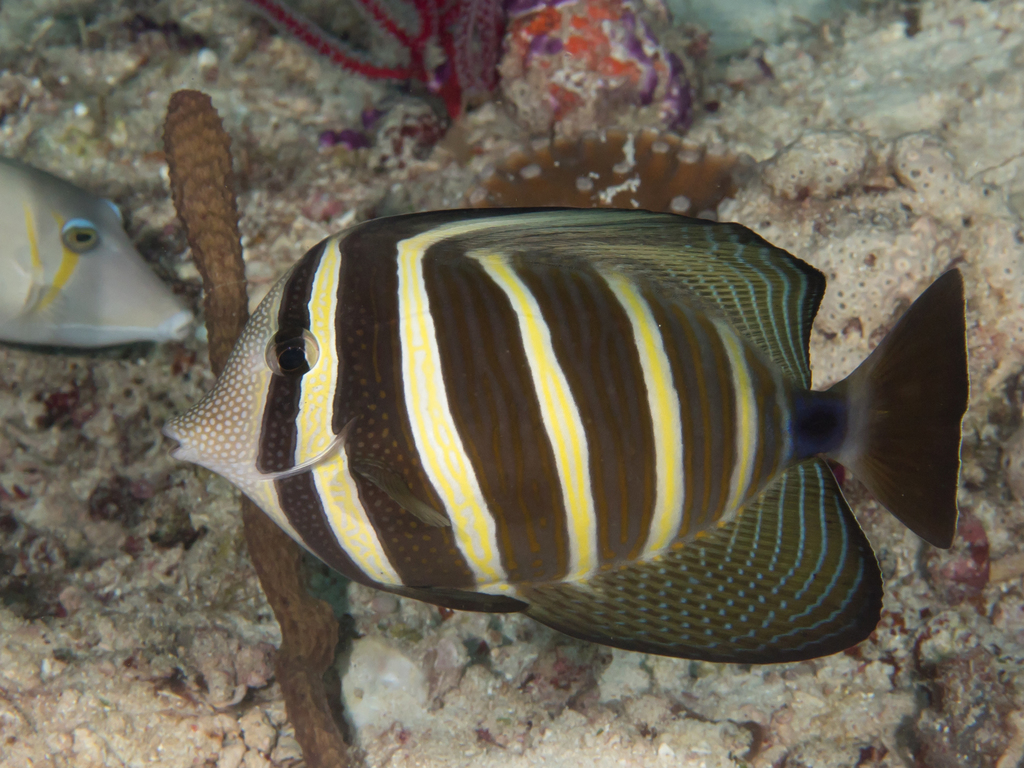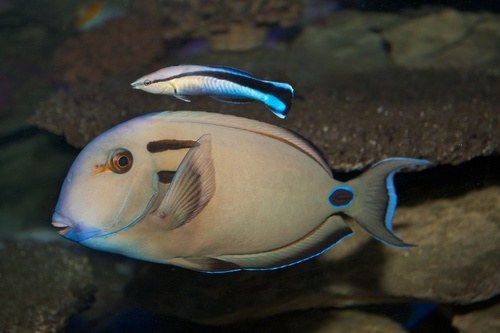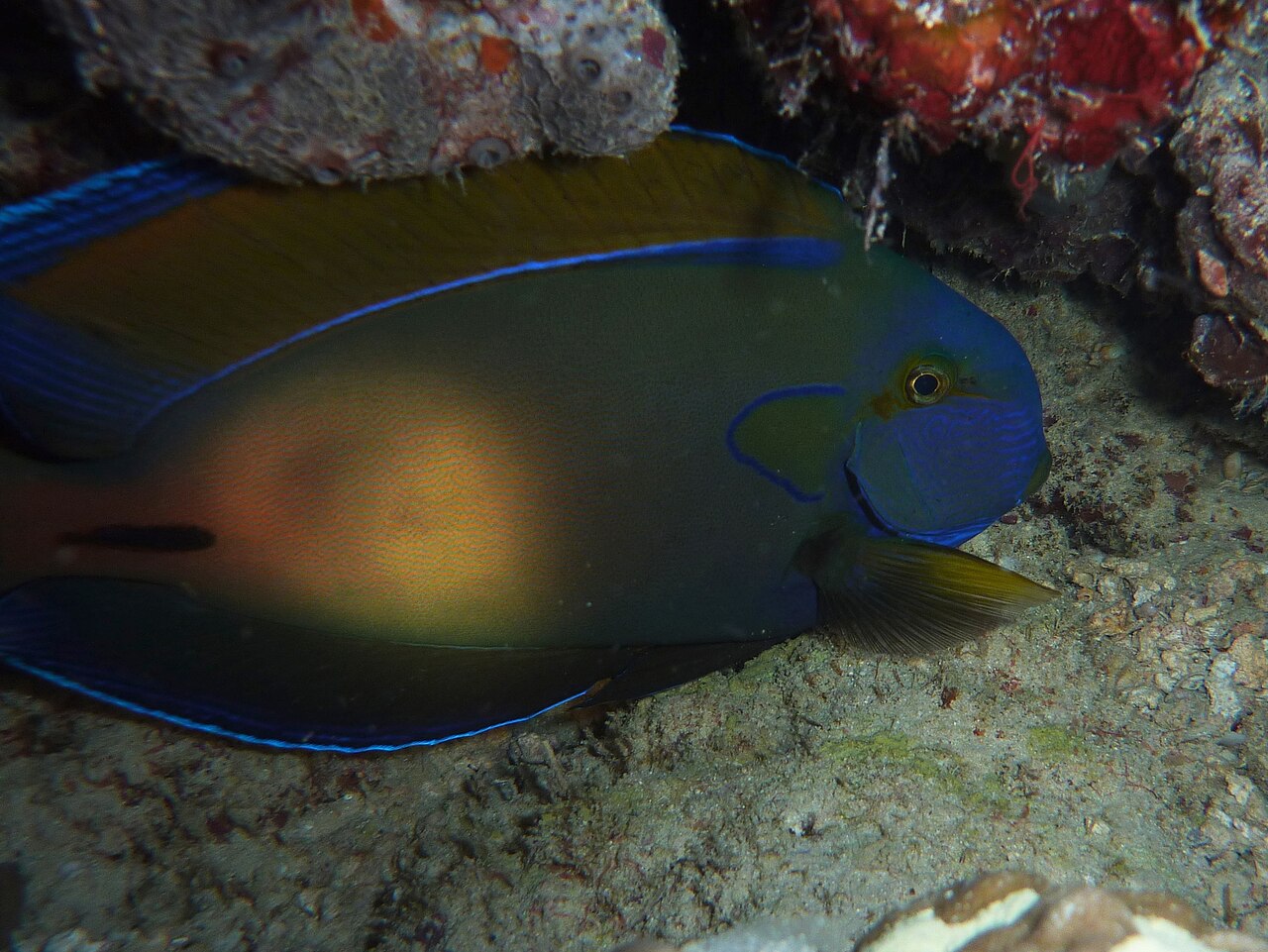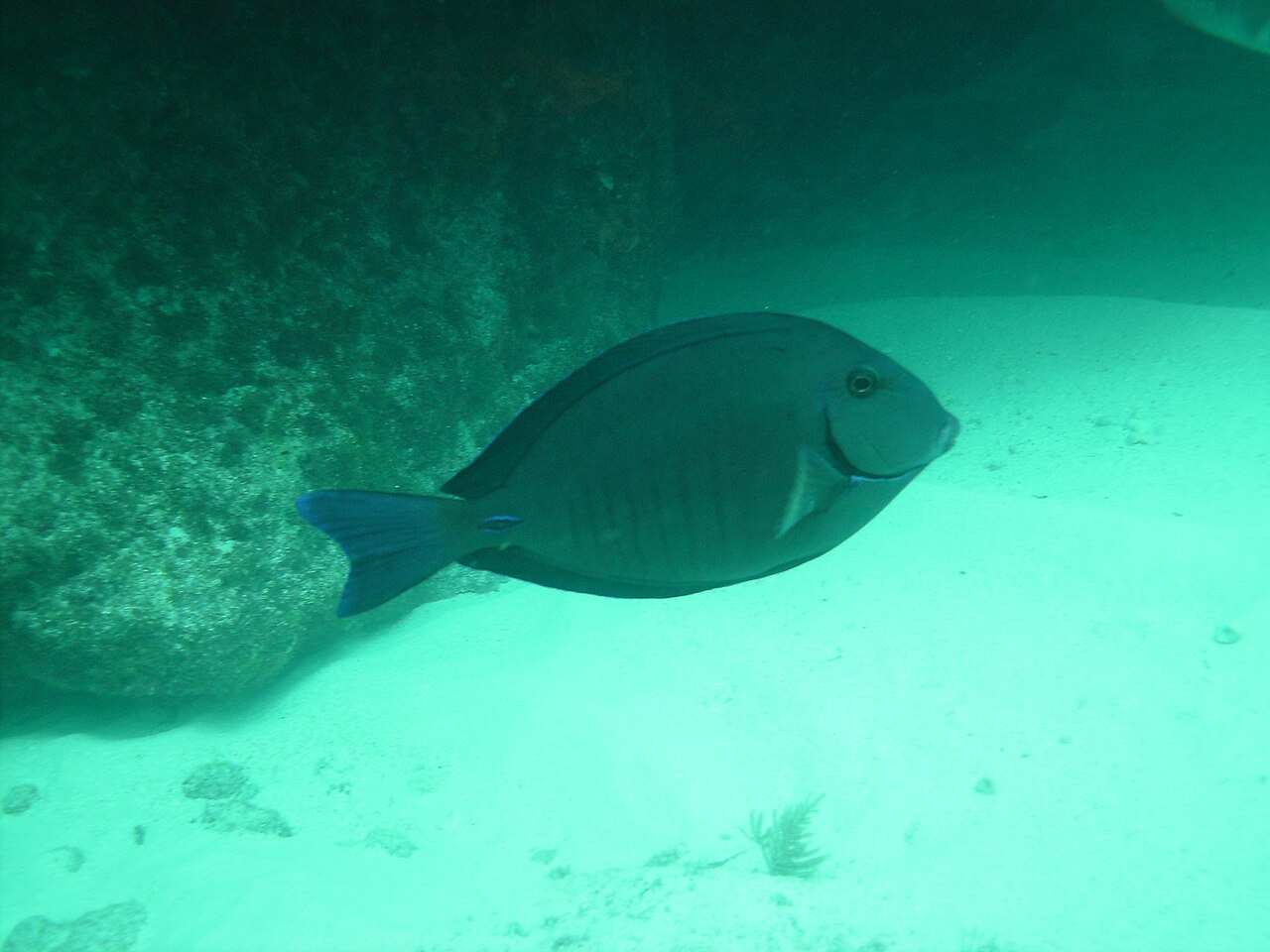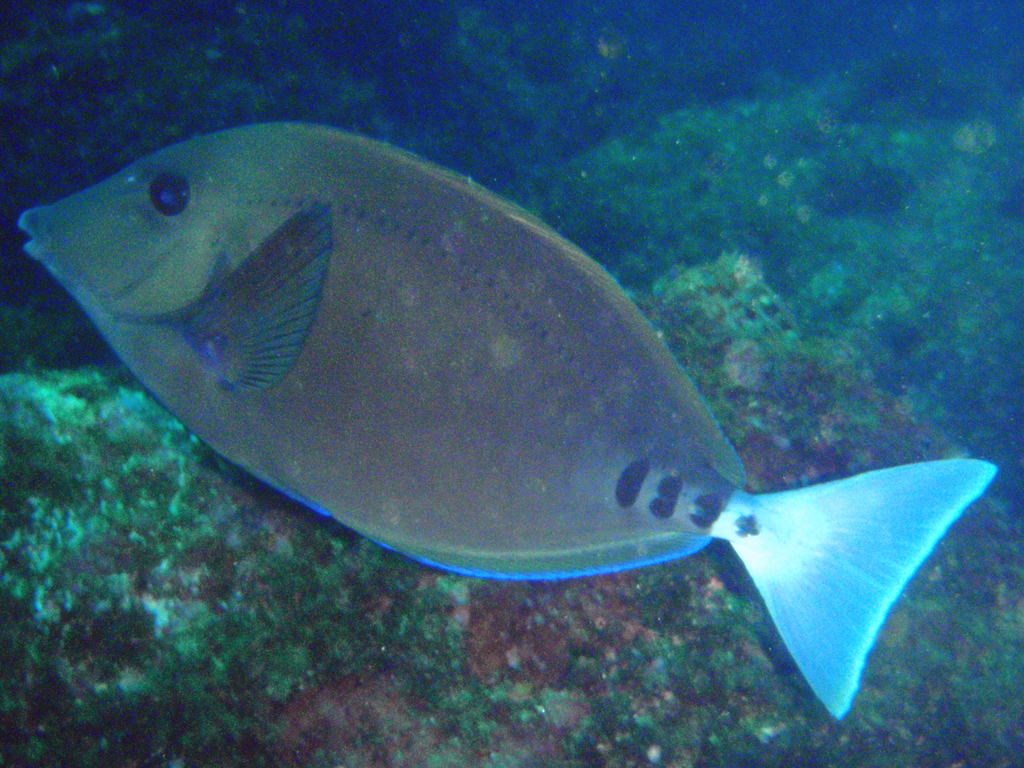
Scalpel sawtail/Blackthorn Sawtail
prionurus scalprum
In Stock
Common stock
Wild Caught
Moderate care
With Caution
SKU: ML-MF-0377
The Scalpel sawtail is a striking marine fish known for its unique tail and vibrant coloration.
Pricing for Verified Importers
Log in to see wholesale prices and order.
Export Size
up to 25.0 cm
Origin
Indo-Pacific
Temperature
24.0–28.0°C
Min. Tank Size
300 L
Salinity
1.020–1.025 ppt
pH
8.10–8.40
Diet
herbivore
The Scalpel sawtail, or Blackthorn Sawtail (Prionurus scalprum), is a visually stunning marine fish native to the coral reefs of the Indo-Pacific region, particularly around Bali, Indonesia. This species is characterized by its elongated body and distinctive saw-like tail, which gives it a unique appearance among reef fish. The Scalpel sawtail features a bold coloration, often exhibiting shades of blue, yellow, and black, making it an attractive addition to any aquarium setup.
In its natural habitat, the Scalpel sawtail thrives in shallow coral reefs, where it can be found darting among the crevices and over the substrate. This species is primarily herbivorous, feeding on algae and other plant materials, which are abundant in its reef environment. Its behavior is generally social, often seen in small groups, showcasing a fascinating dynamic as they navigate their colorful surroundings.
The Scalpel sawtail plays a vital role in maintaining the health of coral reefs by grazing on algae, which helps to prevent algal overgrowth and promotes coral health. The species is also known for its territorial behavior, particularly during breeding seasons, when males display vibrant colors to attract females. This fascinating combination of beauty and ecological importance makes the Scalpel sawtail a valuable species for both aquarists and conservation efforts.
With its striking appearance and interesting behaviors, the Scalpel sawtail is not just a visually appealing fish but also an integral part of its ecosystem, making it a popular choice among marine aquarium enthusiasts and professionals alike.
In its natural habitat, the Scalpel sawtail thrives in shallow coral reefs, where it can be found darting among the crevices and over the substrate. This species is primarily herbivorous, feeding on algae and other plant materials, which are abundant in its reef environment. Its behavior is generally social, often seen in small groups, showcasing a fascinating dynamic as they navigate their colorful surroundings.
The Scalpel sawtail plays a vital role in maintaining the health of coral reefs by grazing on algae, which helps to prevent algal overgrowth and promotes coral health. The species is also known for its territorial behavior, particularly during breeding seasons, when males display vibrant colors to attract females. This fascinating combination of beauty and ecological importance makes the Scalpel sawtail a valuable species for both aquarists and conservation efforts.
With its striking appearance and interesting behaviors, the Scalpel sawtail is not just a visually appealing fish but also an integral part of its ecosystem, making it a popular choice among marine aquarium enthusiasts and professionals alike.
For optimal care, the Scalpel sawtail requires stable water parameters, with a temperature range of 24-28°C, salinity levels between 1.020 and 1.025 ppt, and a pH between 8.1 and 8.4. It is essential to maintain good water quality through regular water changes and proper filtration. As an herbivore, the Scalpel sawtail thrives on a diet rich in marine algae, spirulina, and high-quality herbivore pellets. Supplementing their diet with occasional treats of blanched vegetables will ensure they receive all necessary nutrients.
Compatibility is generally good with other reef fish, but care should be taken with more aggressive species that could bully the Scalpel sawtail. It is advisable to introduce them into a well-established aquarium with plenty of hiding spots to reduce stress. Acclimation should be done slowly to prevent shock; using a drip acclimation method over several hours can help ease the transition.
Quarantine procedures are recommended for all new arrivals to prevent the introduction of diseases into your main display tank. A quarantine period of at least two weeks allows for observation and treatment if necessary, ensuring the health and well-being of your aquatic community.
Compatibility is generally good with other reef fish, but care should be taken with more aggressive species that could bully the Scalpel sawtail. It is advisable to introduce them into a well-established aquarium with plenty of hiding spots to reduce stress. Acclimation should be done slowly to prevent shock; using a drip acclimation method over several hours can help ease the transition.
Quarantine procedures are recommended for all new arrivals to prevent the introduction of diseases into your main display tank. A quarantine period of at least two weeks allows for observation and treatment if necessary, ensuring the health and well-being of your aquatic community.
The Scalpel sawtail is suitable for shipping, provided proper packing methods are used. Ensure a packing density that allows adequate space for movement while minimizing stress during transport. Optimal shipping temperatures should be maintained between 24-28°C to prevent thermal shock. This species is not listed on CITES, making export regulations simpler, but adherence to local laws is essential.
Species Parameters
Max Adult Size
25.0 cm
Origin
Indo-Pacific
Diet
herbivore
Temp Min
24.0 °C
Temp Max
28.0 °C
Salinity Min
1.020
Salinity Max
1.025
pH Min
8.10
pH Max
8.40
Min Tank
300 L