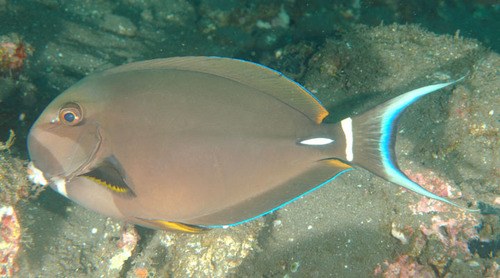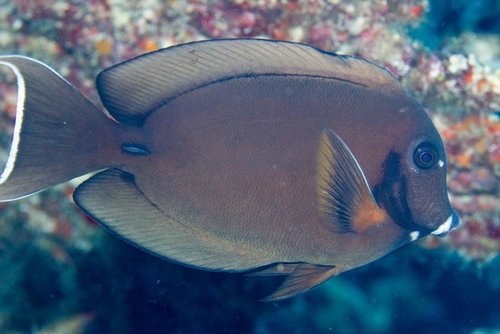
Tristis Surgeonfish
Acanthurus tristis
In Stock
Common stock
Wild Caught
Moderate care
With Caution
SKU: CB-MF-0289
The Tristis Surgeonfish is a vibrant addition to any marine aquarium, known for its striking colors and unique personality.
Pricing for Verified Importers
Log in to see wholesale prices and order.
Export Size
up to 25.0 cm
Origin
Indo-Pacific
Temperature
24.0–28.0°C
Min. Tank Size
200 L
Salinity
32.000–35.000 ppt
pH
8.10–8.40
Diet
herbivore
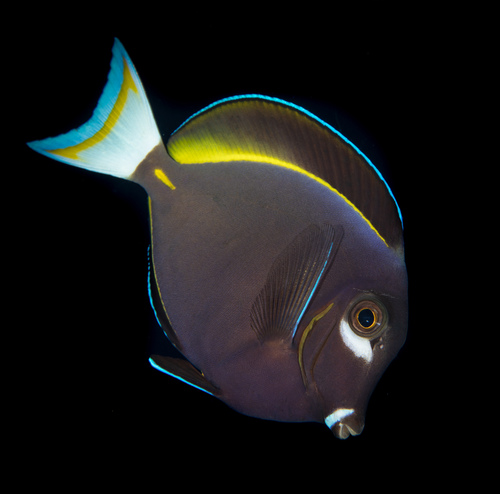
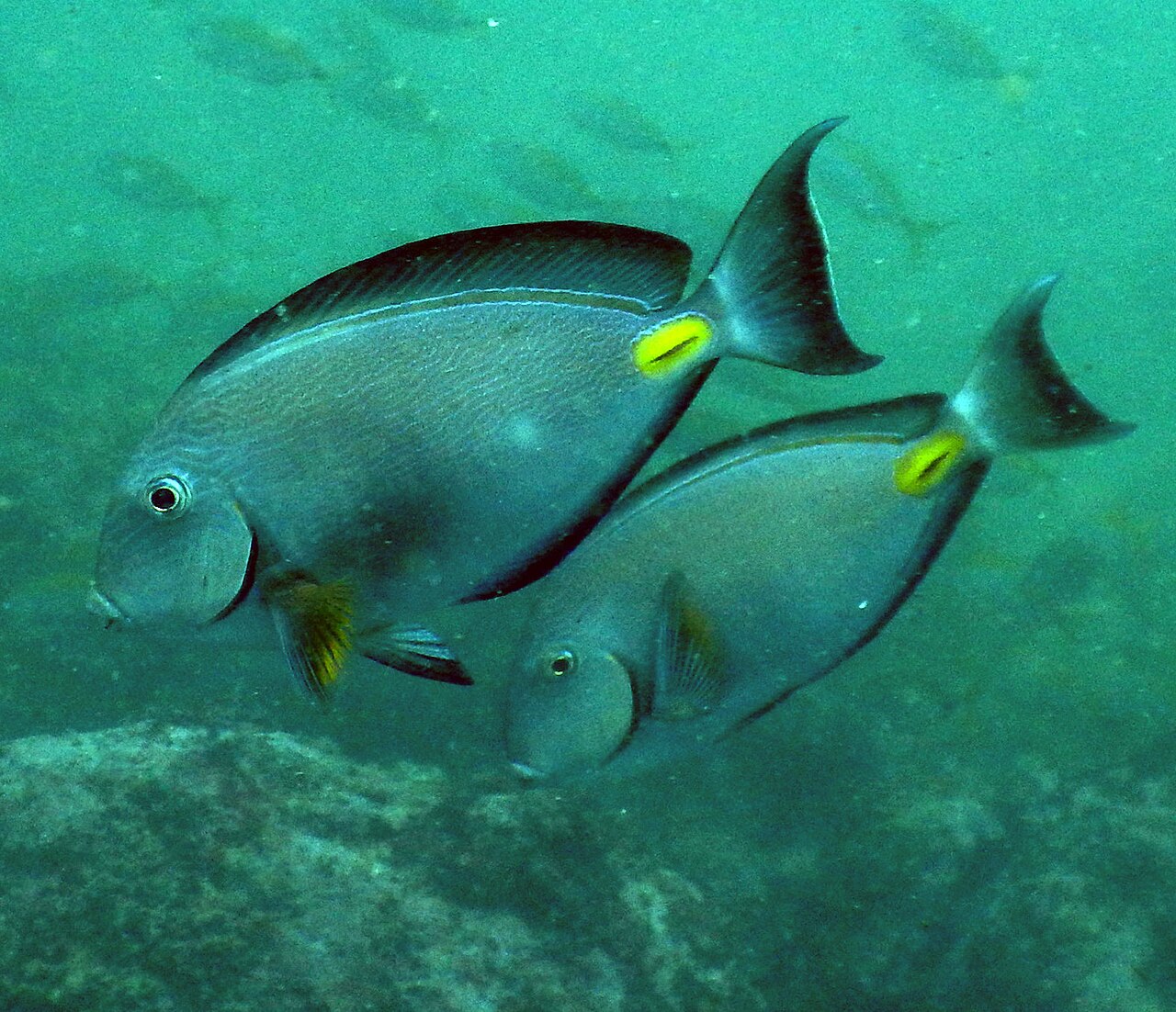
The Tristis Surgeonfish (Acanthurus tristis) is a captivating species native to the warm waters of the Indo-Pacific region. This marine fish is renowned for its distinct coloration, featuring a body adorned with shades of blue, yellow, and black, which serve as both a warning to predators and a means of attracting mates. Typically found in shallow coral reefs, this species plays a critical role in maintaining the health of its ecosystem by grazing on algae and detritus.
In terms of behavior, the Tristis Surgeonfish is a social species, often seen in small groups or schools. They exhibit a range of social interactions, from playful chasing to establishing dominance within a hierarchy. Their active and inquisitive nature makes them a delight to observe, especially in a well-maintained aquarium setting. As herbivores, they are primarily dependent on marine algae and will thrive in environments where these resources are abundant.
Habitat-wise, Acanthurus tristis prefers areas with ample rocky substrates and coral formations, where they can find shelter and forage. This species is generally found at depths ranging from 1 to 30 meters, making them accessible for divers and aquarium collectors alike. Their natural habitat is crucial for their survival and well-being, emphasizing the importance of sustainable collection practices to protect their populations in the wild.
Overall, the Tristis Surgeonfish stands out not only for its striking appearance but also for its ecological significance and engaging behaviors, making it a valuable species for marine aquarium enthusiasts and professionals alike.
In terms of behavior, the Tristis Surgeonfish is a social species, often seen in small groups or schools. They exhibit a range of social interactions, from playful chasing to establishing dominance within a hierarchy. Their active and inquisitive nature makes them a delight to observe, especially in a well-maintained aquarium setting. As herbivores, they are primarily dependent on marine algae and will thrive in environments where these resources are abundant.
Habitat-wise, Acanthurus tristis prefers areas with ample rocky substrates and coral formations, where they can find shelter and forage. This species is generally found at depths ranging from 1 to 30 meters, making them accessible for divers and aquarium collectors alike. Their natural habitat is crucial for their survival and well-being, emphasizing the importance of sustainable collection practices to protect their populations in the wild.
Overall, the Tristis Surgeonfish stands out not only for its striking appearance but also for its ecological significance and engaging behaviors, making it a valuable species for marine aquarium enthusiasts and professionals alike.
When caring for Tristis Surgeonfish, maintaining optimal water parameters is essential for their health. Ideal temperature ranges from 24°C to 28°C, with a salinity of 32-35 ppt. The pH should be kept between 8.1 and 8.4 to closely mimic their natural environment. It is recommended to have a minimum tank size of 200 liters to accommodate their active swimming habits and territorial nature.
Feeding should focus on a diet rich in marine algae, complemented by high-quality herbivore pellets and occasional treats of blanched vegetables. It's important to provide a varied diet to prevent nutritional deficiencies. Compatibility-wise, Tristis Surgeonfish can coexist with other peaceful marine species but should be monitored closely, as they may exhibit territorial behavior towards similar species, particularly other surgeonfish.
Acclimation is a critical process; it is advisable to introduce them slowly into a new environment using the drip acclimation method to minimize stress. Quarantine new arrivals for at least two weeks to prevent the introduction of diseases into the main tank. Regular monitoring of their behavior and health is crucial during this period to ensure they adapt well to their new home.
Feeding should focus on a diet rich in marine algae, complemented by high-quality herbivore pellets and occasional treats of blanched vegetables. It's important to provide a varied diet to prevent nutritional deficiencies. Compatibility-wise, Tristis Surgeonfish can coexist with other peaceful marine species but should be monitored closely, as they may exhibit territorial behavior towards similar species, particularly other surgeonfish.
Acclimation is a critical process; it is advisable to introduce them slowly into a new environment using the drip acclimation method to minimize stress. Quarantine new arrivals for at least two weeks to prevent the introduction of diseases into the main tank. Regular monitoring of their behavior and health is crucial during this period to ensure they adapt well to their new home.
Tristis Surgeonfish are suitable for shipping due to their robust nature, but care must be taken to provide adequate space during transport. A packing density of 1 fish per 10 liters is recommended to reduce stress. They are sensitive to temperature fluctuations, so shipping should occur within a temperature range of 22°C to 26°C. As a species not listed under CITES, they can be exported freely, provided that sustainable collection practices are followed.
Species Parameters
Max Adult Size
25.0 cm
Origin
Indo-Pacific
Diet
herbivore
Temp Min
24.0 °C
Temp Max
28.0 °C
Salinity Min
32.000
Salinity Max
35.000
pH Min
8.10
pH Max
8.40
Min Tank
200 L