Spotted Oceanic Trigger
Canthidermis maculatus
In Stock
Common stock
Wild Caught
Moderate care
With Caution
SKU: CB-MF-0343
The Spotted Oceanic Trigger is a vibrant marine fish known for its striking coloration and unique behaviors.
Pricing for Verified Importers
Log in to see wholesale prices and order.
Export Size
up to 30.0 cm
Origin
Indo-Pacific
Temperature
24.0–28.0°C
Min. Tank Size
150 L
Salinity
20.000–25.000 ppt
pH
8.10–8.40
Diet
carnivore
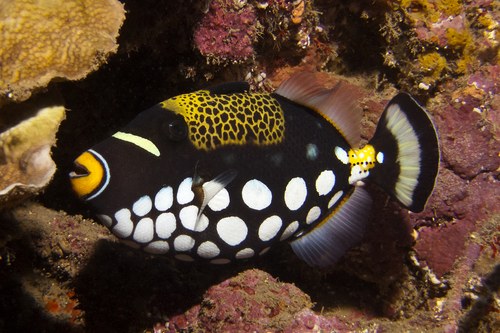
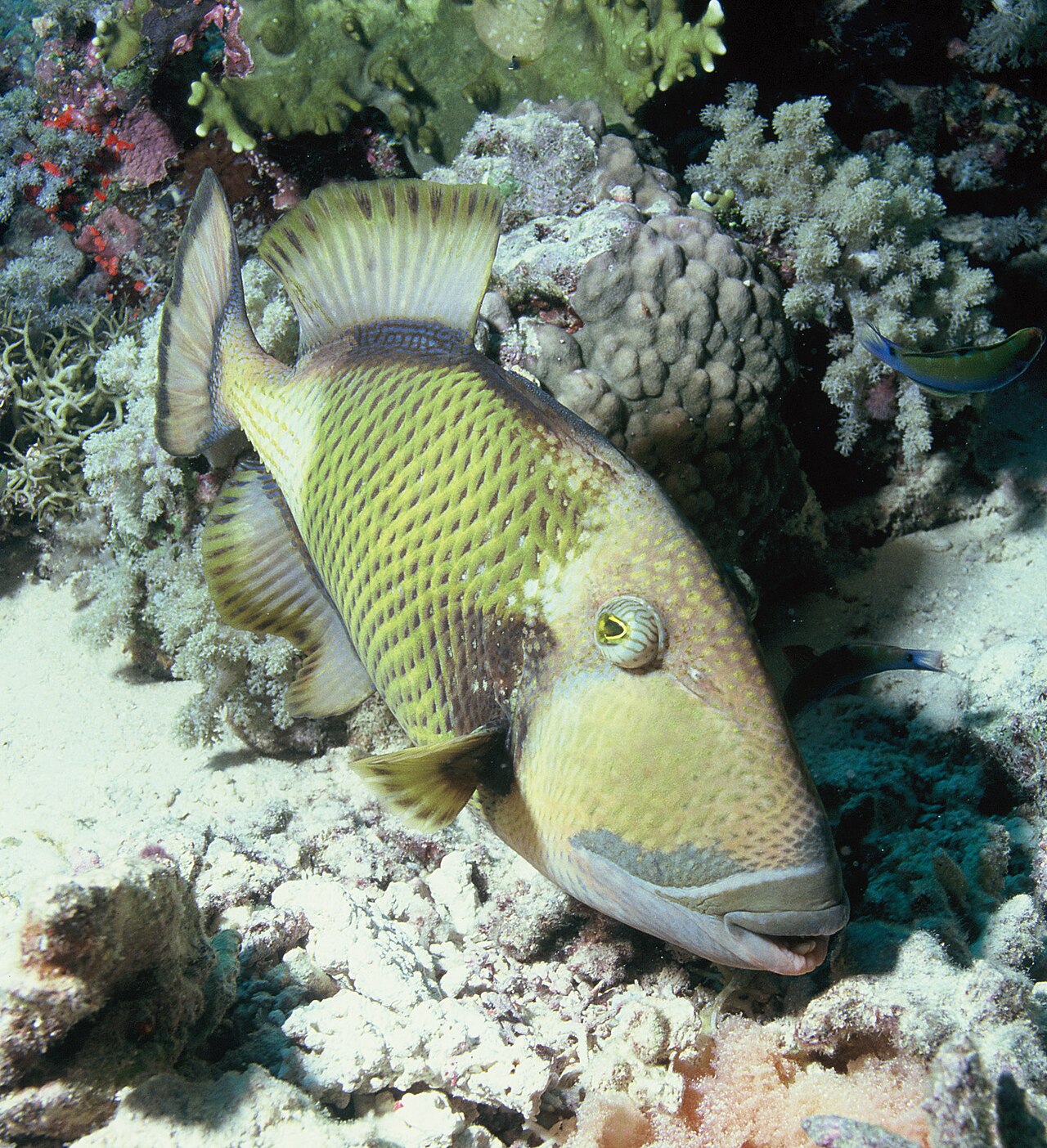
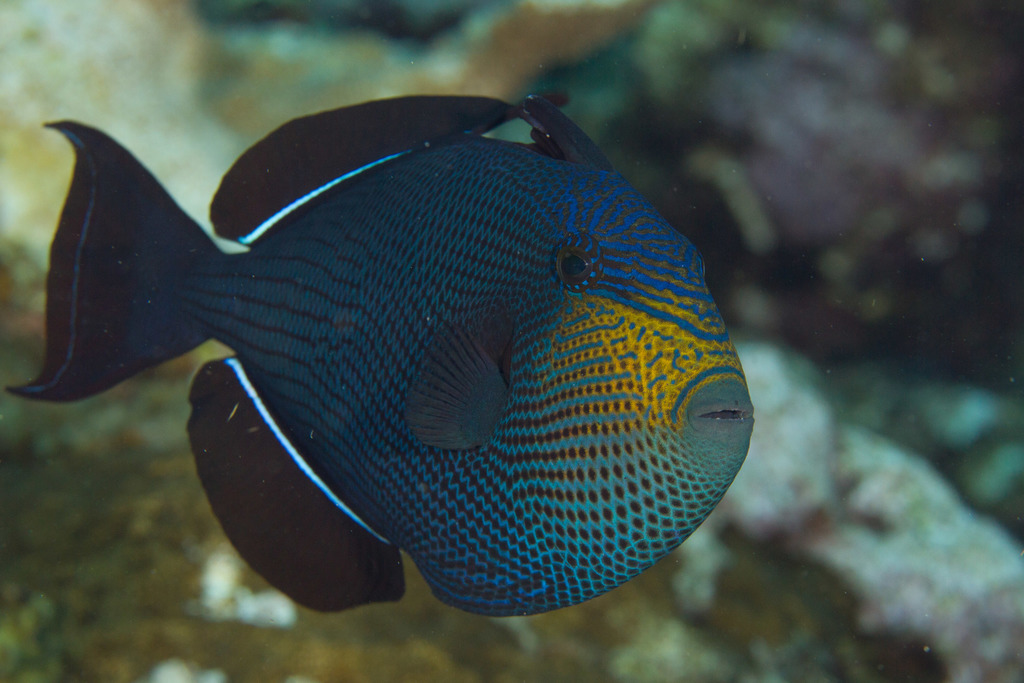
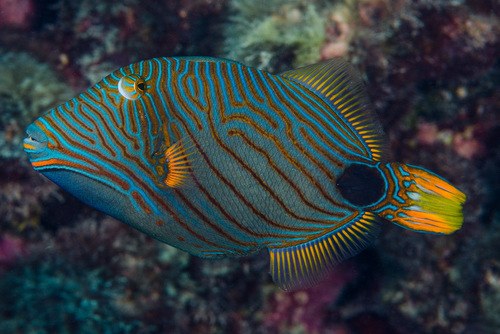
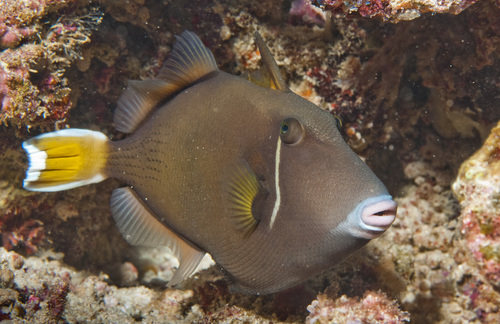
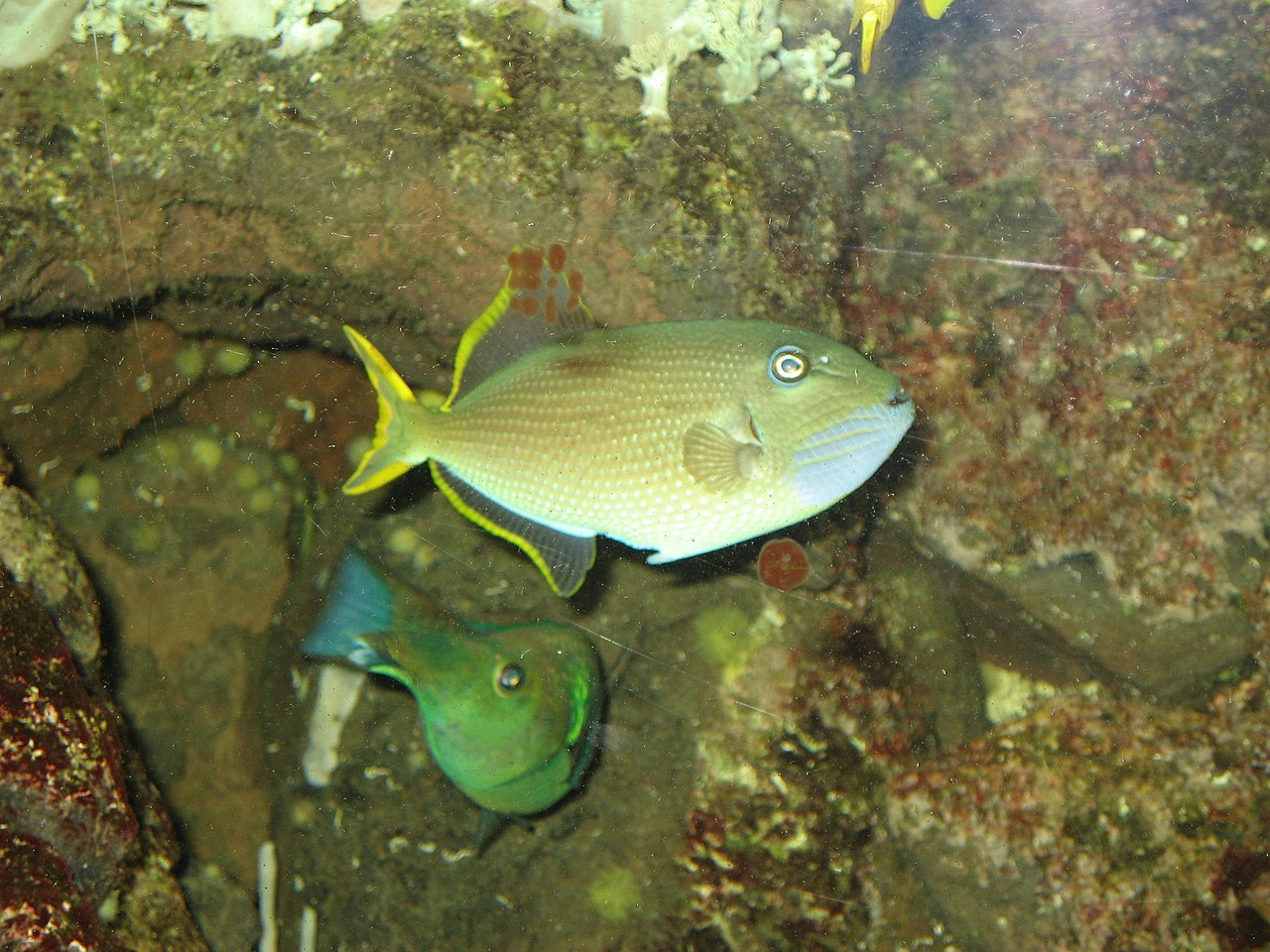
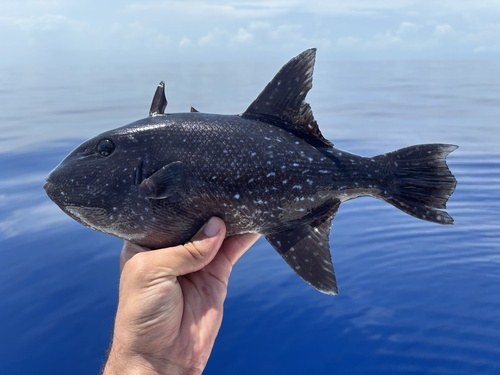
The Spotted Oceanic Trigger (Canthidermis maculatus) is a captivating marine fish native to the warm waters of the Indo-Pacific region. This species is recognized for its distinctive coloration, with a bluish body adorned with bright yellow spots, which serve as a camouflage among the coral reefs and rocky substrates of its natural habitat. Adult triggers can reach sizes of up to 30 cm, making them a prominent addition to any marine aquarium. Their robust bodies and unique dorsal fin structure are also notable features that set them apart from other reef fish.
In terms of behavior, the Spotted Oceanic Trigger is known for its inquisitive nature and active swimming patterns. They are often found in schools, darting among the reef structures, and exhibit a curious attitude towards divers and observers. These fish are primarily diurnal, meaning they are most active during the day, where they forage for food and interact with their environment. Their aggressive territorial behavior can be observed, especially during mating seasons, as they defend their chosen spots from intruding species.
The natural habitat of the Spotted Oceanic Trigger includes coral reefs, rocky outcrops, and sandy bottoms, typically at depths ranging from 5 to 30 meters. They thrive in warm, clear waters rich in food sources, such as small invertebrates and crustaceans. These environments not only provide ample sustenance but also serve as crucial breeding grounds, ensuring the continuation of their vibrant populations.
As a result of their striking appearance and lively behavior, the Spotted Oceanic Trigger is increasingly sought after in the aquarium trade, making it a desirable species for both hobbyists and commercial aquarists alike. They pose an excellent opportunity for wholesalers looking to offer unique marine life to their clients.
In terms of behavior, the Spotted Oceanic Trigger is known for its inquisitive nature and active swimming patterns. They are often found in schools, darting among the reef structures, and exhibit a curious attitude towards divers and observers. These fish are primarily diurnal, meaning they are most active during the day, where they forage for food and interact with their environment. Their aggressive territorial behavior can be observed, especially during mating seasons, as they defend their chosen spots from intruding species.
The natural habitat of the Spotted Oceanic Trigger includes coral reefs, rocky outcrops, and sandy bottoms, typically at depths ranging from 5 to 30 meters. They thrive in warm, clear waters rich in food sources, such as small invertebrates and crustaceans. These environments not only provide ample sustenance but also serve as crucial breeding grounds, ensuring the continuation of their vibrant populations.
As a result of their striking appearance and lively behavior, the Spotted Oceanic Trigger is increasingly sought after in the aquarium trade, making it a desirable species for both hobbyists and commercial aquarists alike. They pose an excellent opportunity for wholesalers looking to offer unique marine life to their clients.
Maintaining optimal conditions for the Spotted Oceanic Trigger is vital for its health and longevity in captivity. Ideal water parameters include a temperature range of 24-28°C, a salinity level of 1.020-1.025 ppt, and a pH between 8.1 and 8.4. Regular water changes and high-quality filtration are essential to keep these parameters stable.
Feeding the Spotted Oceanic Trigger involves a varied diet, primarily consisting of high-quality pellets, frozen or live foods such as shrimp, and other meaty offerings to satisfy their carnivorous nature. It's crucial to provide multiple feedings throughout the day to mimic their natural foraging behavior.
Compatibility is a key consideration when housing triggers; they can be aggressive towards similar-sized fish and should ideally be kept with larger, more robust species. Acclimation should be done slowly to minimize stress, utilizing drip acclimation techniques. A quarantine period of at least two weeks is recommended to monitor health and prevent the spread of disease to other tank inhabitants.
With proper care, the Spotted Oceanic Trigger can thrive and become a stunning centerpiece in marine aquariums, captivating viewers with its vibrant colors and dynamic presence.
Feeding the Spotted Oceanic Trigger involves a varied diet, primarily consisting of high-quality pellets, frozen or live foods such as shrimp, and other meaty offerings to satisfy their carnivorous nature. It's crucial to provide multiple feedings throughout the day to mimic their natural foraging behavior.
Compatibility is a key consideration when housing triggers; they can be aggressive towards similar-sized fish and should ideally be kept with larger, more robust species. Acclimation should be done slowly to minimize stress, utilizing drip acclimation techniques. A quarantine period of at least two weeks is recommended to monitor health and prevent the spread of disease to other tank inhabitants.
With proper care, the Spotted Oceanic Trigger can thrive and become a stunning centerpiece in marine aquariums, captivating viewers with its vibrant colors and dynamic presence.
The Spotted Oceanic Trigger is suitable for shipping due to its hardy nature, but care must be taken to ensure optimal conditions during transit. Packing density should allow for adequate space to minimize stress, ideally one fish per 5-10 liters. Temperature should be maintained between 24-28°C to prevent thermal shock. This species is not listed under CITES, simplifying export requirements.
Species Parameters
Max Adult Size
30.0 cm
Origin
Indo-Pacific
Diet
carnivore
Temp Min
24.0 °C
Temp Max
28.0 °C
Salinity Min
20.000
Salinity Max
25.000
pH Min
8.10
pH Max
8.40
Min Tank
150 L