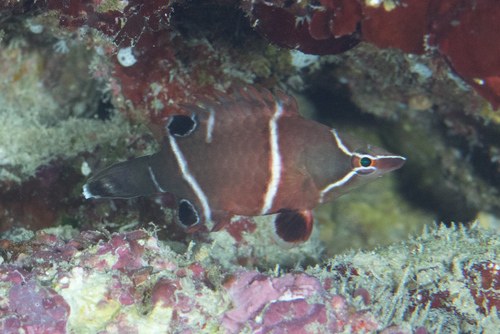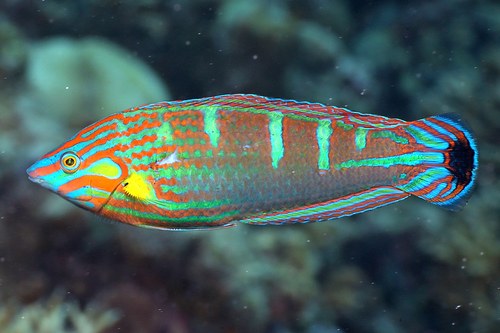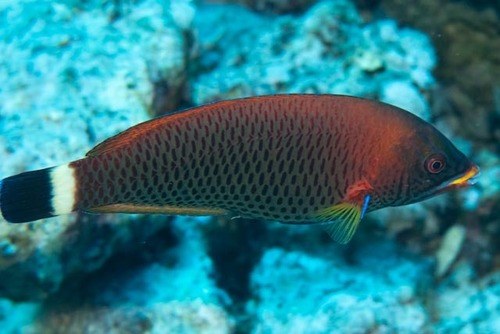
Chiseltooth Wrasse
Pseudodax moluccanus
In Stock
Common stock
Wild Caught
Moderate care
With Caution
SKU: CB-MF-0135
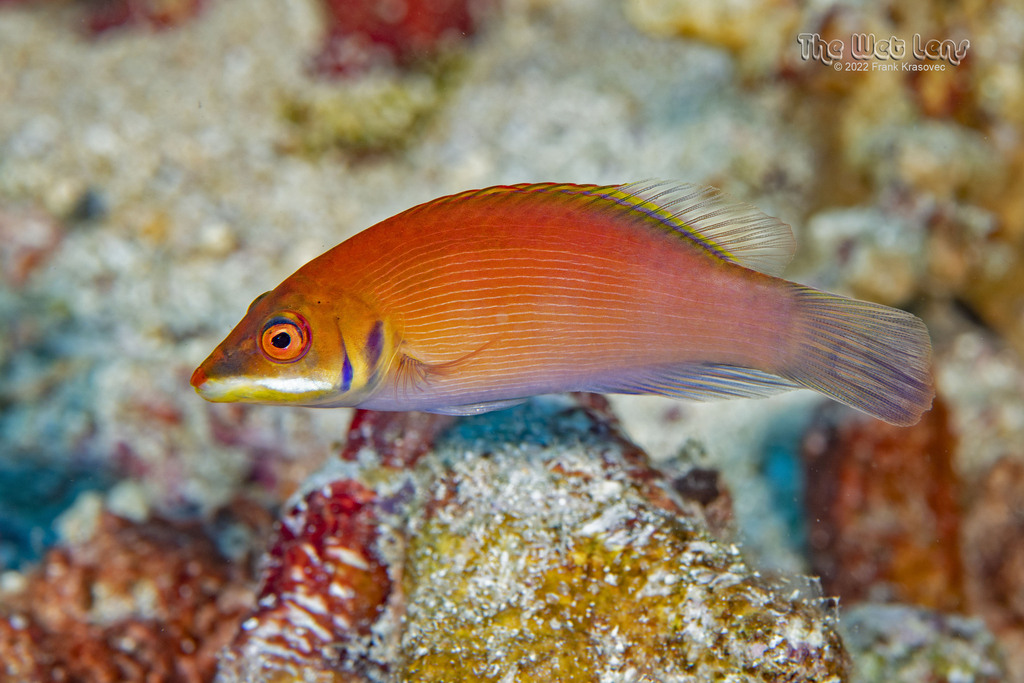
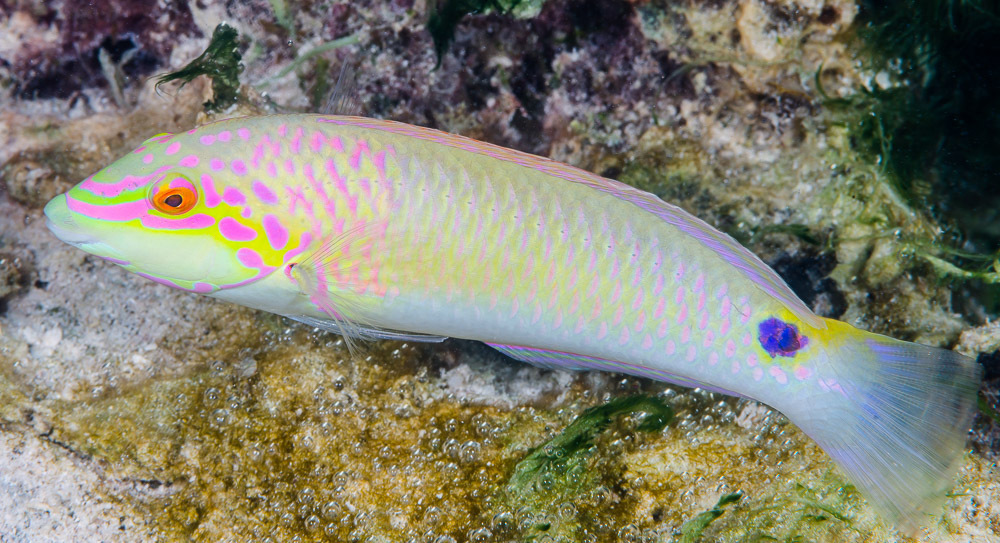
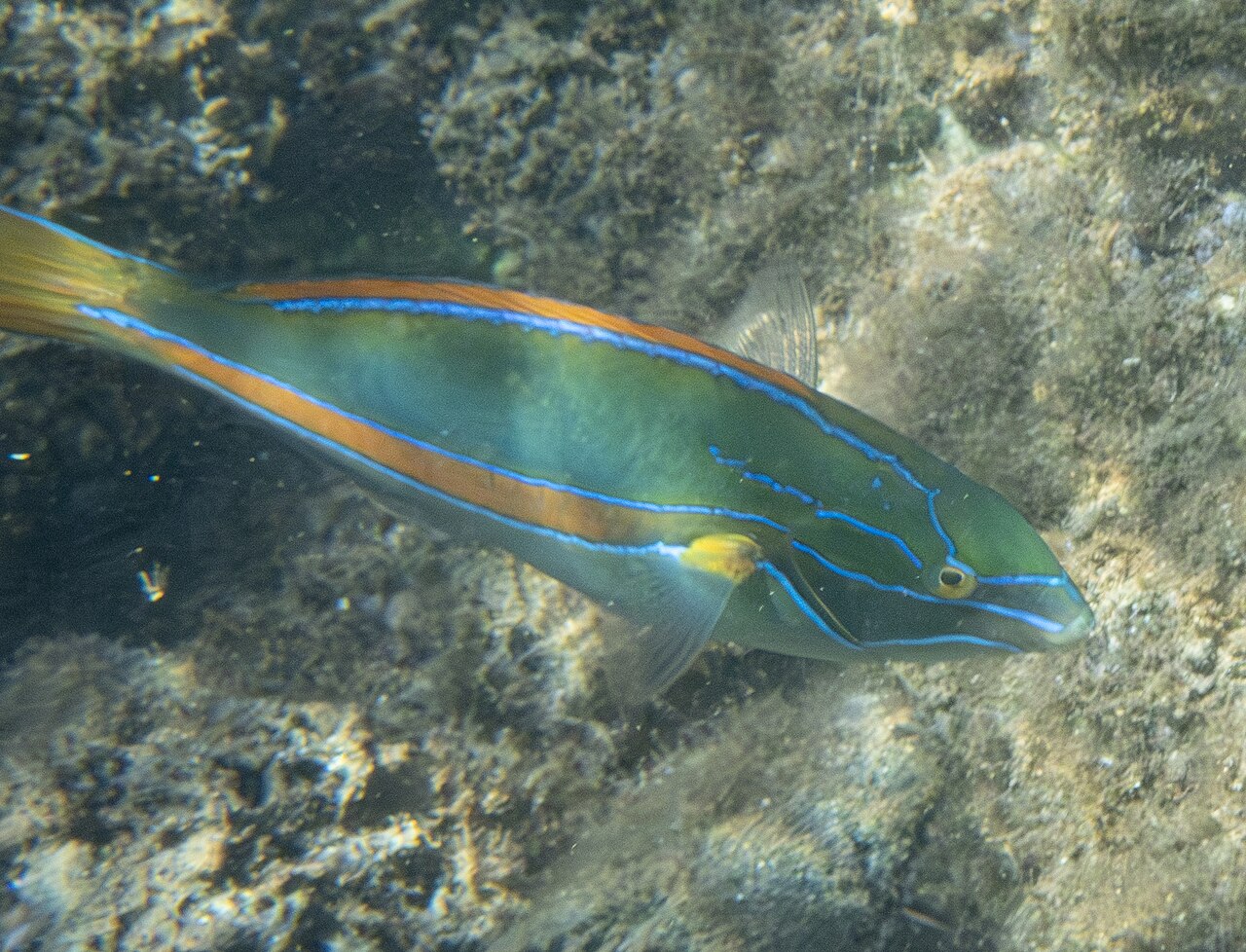
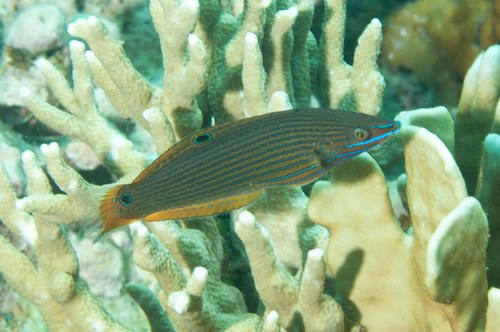
The Chiseltooth Wrasse is a vibrant marine fish known for its striking colors and unique dental structure.
Pricing for Verified Importers
Log in to see wholesale prices and order.
Export Size
up to 15.0 cm
Origin
Indo-Pacific
Temperature
24.0–28.0°C
Min. Tank Size
200 L
Salinity
1.020–1.025 ppt
pH
8.10–8.40
Diet
carnivore
The Chiseltooth Wrasse (Pseudodax moluccanus) is a captivating marine fish native to the coral reefs of the Indo-Pacific region. This species is notable for its elongated body and distinctive dental morphology, featuring sharp, chisel-like teeth that allow it to feed effectively on hard-shelled invertebrates. Adults typically display a vivid coloration, ranging from bright greens to blues and yellows, which provides excellent camouflage among the vibrant corals and rocky substrates of their habitat.
In terms of behavior, the Chiseltooth Wrasse is known for its curious and active nature. It often engages in foraging activities throughout the day, searching for food among crevices and coral formations. This species is generally diurnal, becoming more active during daylight hours while seeking shelter in the reef at night. Socially, they can often be observed in small groups or pairs, although they are also capable of solitary behavior if necessary.
The natural habitat of the Chiseltooth Wrasse includes shallow reef environments, typically at depths of 1 to 30 meters. They thrive in areas rich in coral cover, which provides both food sources and protection from predators. These fish are particularly sensitive to environmental changes, making them excellent indicators of reef health. Their presence in a reef ecosystem is crucial, as they contribute to the balance of invertebrate populations.
As a species, the Chiseltooth Wrasse plays a significant role in the ecological dynamics of coral reefs, and their vibrant appearance makes them a popular choice among aquarium enthusiasts. Their unique feeding habits and behavior add to their appeal, making them a fascinating addition to both public and private marine aquariums.
In terms of behavior, the Chiseltooth Wrasse is known for its curious and active nature. It often engages in foraging activities throughout the day, searching for food among crevices and coral formations. This species is generally diurnal, becoming more active during daylight hours while seeking shelter in the reef at night. Socially, they can often be observed in small groups or pairs, although they are also capable of solitary behavior if necessary.
The natural habitat of the Chiseltooth Wrasse includes shallow reef environments, typically at depths of 1 to 30 meters. They thrive in areas rich in coral cover, which provides both food sources and protection from predators. These fish are particularly sensitive to environmental changes, making them excellent indicators of reef health. Their presence in a reef ecosystem is crucial, as they contribute to the balance of invertebrate populations.
As a species, the Chiseltooth Wrasse plays a significant role in the ecological dynamics of coral reefs, and their vibrant appearance makes them a popular choice among aquarium enthusiasts. Their unique feeding habits and behavior add to their appeal, making them a fascinating addition to both public and private marine aquariums.
When caring for the Chiseltooth Wrasse, it is essential to maintain optimal water parameters to ensure their health and well-being. A temperature range of 24-28°C is ideal, with a salinity level of 1.020 to 1.025 ppt. The pH should be maintained between 8.1 and 8.4. Providing a minimum tank size of 200 liters is recommended to accommodate their active swimming habits and territorial behavior.
Feeding the Chiseltooth Wrasse requires a varied diet rich in protein. They thrive on high-quality frozen or live foods, such as brine shrimp, mysis shrimp, and finely chopped seafood. It is advisable to feed them multiple times a day in small portions to mimic their natural foraging behavior. Compatibility with other species is generally good; however, caution should be exercised with more aggressive tank mates that may stress them.
Acclimation is critical when introducing Chiseltooth Wrasses to a new environment. A slow acclimation process over several hours is recommended to reduce stress and ensure a smoother transition. Quarantine procedures should also be followed for new arrivals to prevent the introduction of diseases into the main aquarium. Regular monitoring of their health, along with the overall tank conditions, will help maintain a thriving environment for this vibrant species.
Feeding the Chiseltooth Wrasse requires a varied diet rich in protein. They thrive on high-quality frozen or live foods, such as brine shrimp, mysis shrimp, and finely chopped seafood. It is advisable to feed them multiple times a day in small portions to mimic their natural foraging behavior. Compatibility with other species is generally good; however, caution should be exercised with more aggressive tank mates that may stress them.
Acclimation is critical when introducing Chiseltooth Wrasses to a new environment. A slow acclimation process over several hours is recommended to reduce stress and ensure a smoother transition. Quarantine procedures should also be followed for new arrivals to prevent the introduction of diseases into the main aquarium. Regular monitoring of their health, along with the overall tank conditions, will help maintain a thriving environment for this vibrant species.
The Chiseltooth Wrasse is suitable for export and shipping, provided proper packing techniques are employed. It is important to maintain a temperature range of 24-26°C during transportation. Packing density should allow for adequate space to reduce stress and prevent injury. This species is not listed under CITES, simplifying compliance for international trade.
Species Parameters
Max Adult Size
15.0 cm
Origin
Indo-Pacific
Diet
carnivore
Temp Min
24.0 °C
Temp Max
28.0 °C
Salinity Min
1.020
Salinity Max
1.025
pH Min
8.10
pH Max
8.40
Min Tank
200 L